
Turkey does not present itself as a single proposition. That is part of the point.
This Turkey itinerary 9 days covers Istanbul - the only city in the world built on two continents, its European side and Asian side separated by the Bosphorus Strait, connected by bridges, and carrying the architectural evidence of three empires across 2,700 years of continuous habitation. Antalya faces the Mediterranean from a Roman harbour that has been in operation since the 2nd century BC, backed by the Taurus Mountains and surrounded by a coastline that the ancient world called the Turquoise Coast. Pamukkale - literally "cotton castle" - is a geological phenomenon: 17,000 years of calcium-rich thermal springs cascading over a cliff face and depositing white travertine terraces that look, from a distance, like a hillside covered in snow in a country that has a full Mediterranean summer happening around it. Cappadocia is the place where early Christians carved entire underground cities into volcanic rock and where the resulting landscape of fairy chimneys and cave churches is experienced, today, from a Cappadocia hot air balloon at sunrise.
Nine days covers all of it. Not at pace. In the sequence that makes each location earn the next one.
Nine days is exactly enough to understand why that matters.
The Bosphorus at Night. The Dinner Cruise That Introduces the City Correctly.
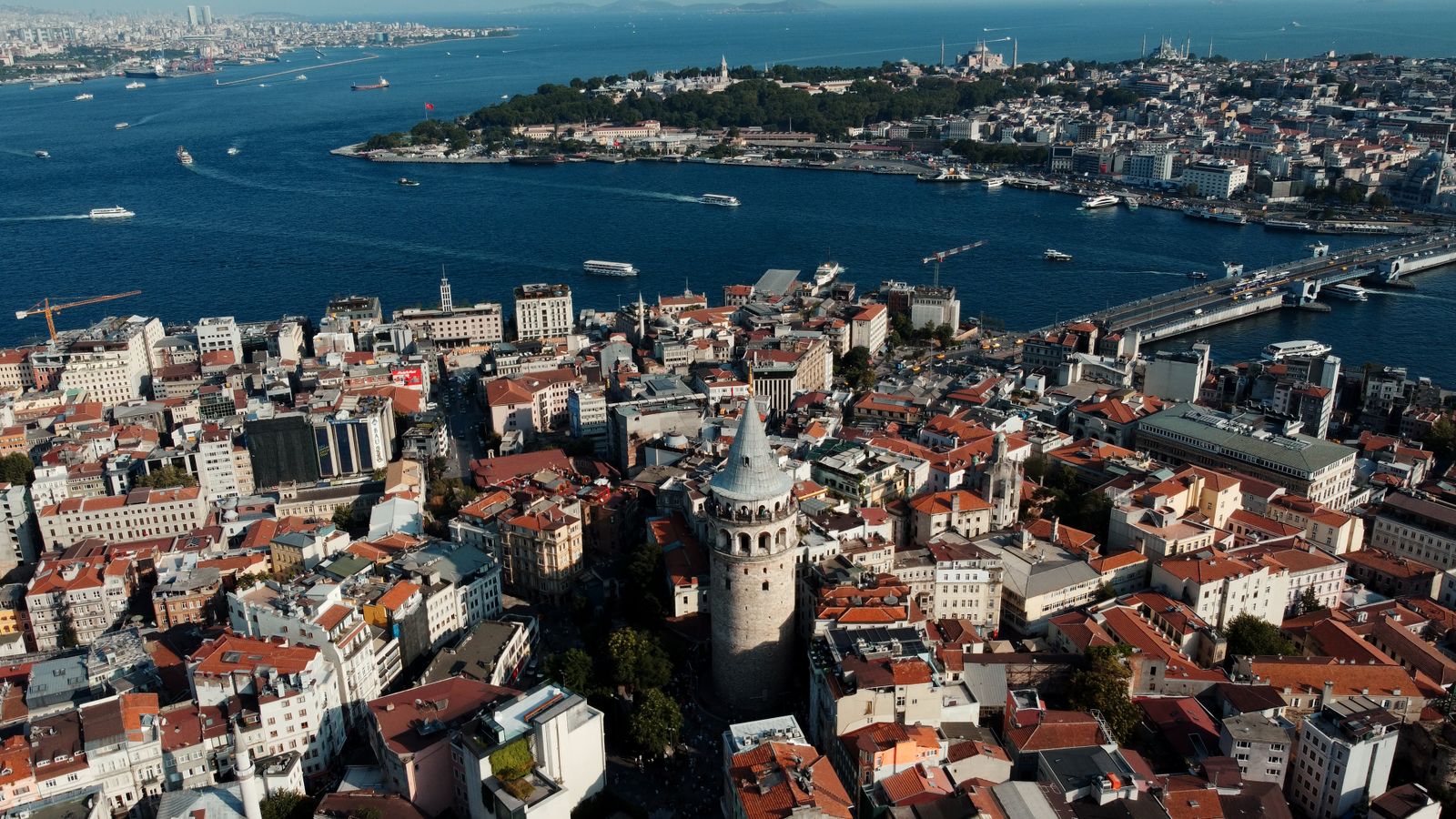
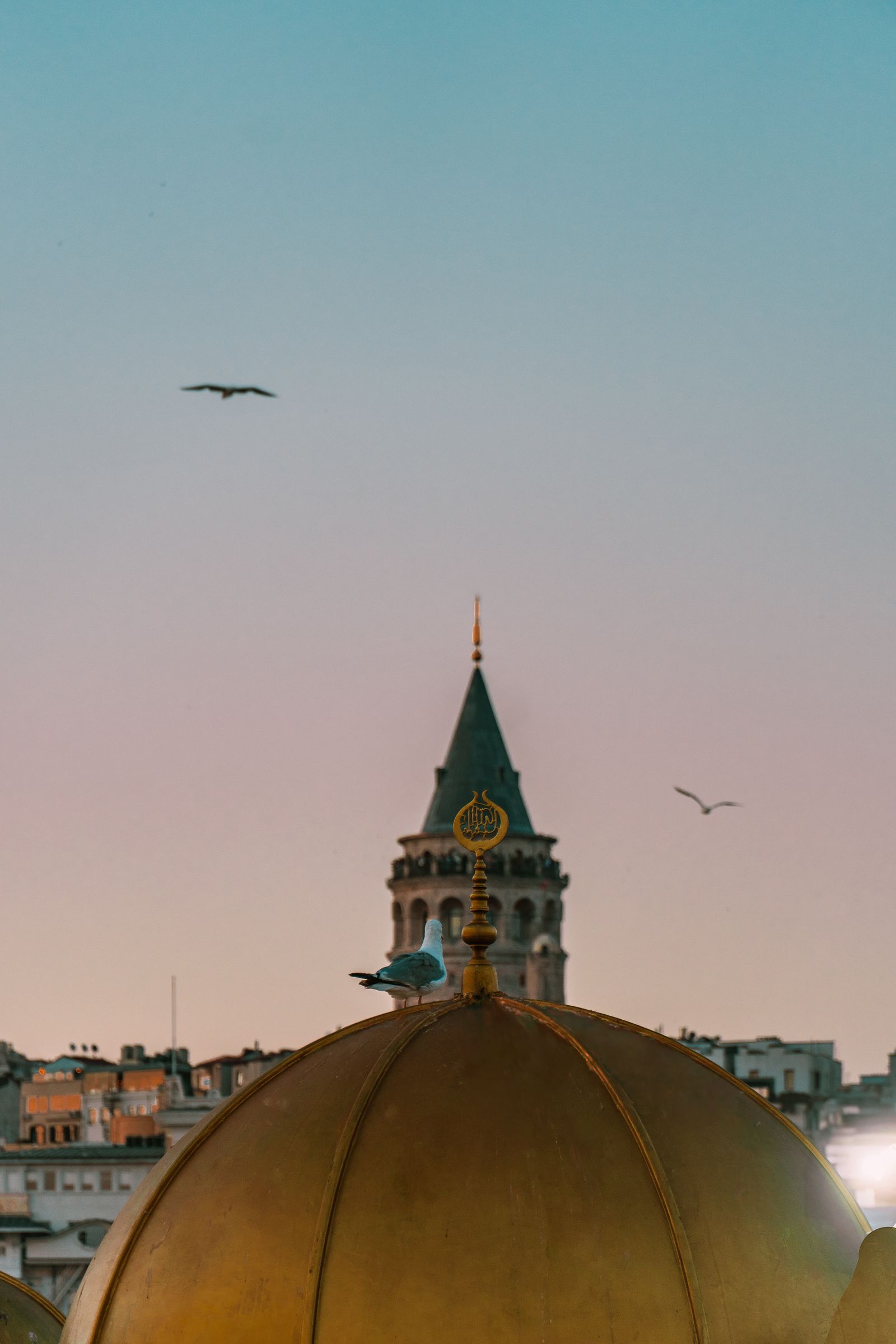
Meet and greet at Istanbul Airport. Transfer to the CVK Park Bosphorus Hotel Istanbul. Check in.
Our Istanbul travel guide begins at the Bosphorus - the city where Europe ends and Asia begins. The strait, 31 kilometres long, separates the two continents and runs directly past the hotel. On one bank: the historic peninsula where Constantinople was built, where Hagia Sophia faces the Blue Mosque across a courtyard, where Topkapi Palace accumulated six centuries of Ottoman imperial wealth in a walled complex above the Sea of Marmara. On the other: the Asian shore, quieter, residential, the city's oldest neighbourhoods and its most contemporary ones occupying the same geography.
The evening Bosphorus Dinner Cruise begins the Istanbul experience at the correct register - from the water, after dark, where the skyline reads as a single panoramic argument for why the city remains one of the most visually affecting in the world. The cruise runs along the strait past the illuminated Ottoman waterfront palaces and the 15th-century fortress walls at Rumelihisarı, which Mehmed II built in four months in 1452 specifically to cut off Constantinople's supply lines before the siege that ended the Byzantine Empire. The dinner and non-alcoholic drinks are included. Hotel pickup and drop-off are arranged. The Bosphorus at night is the introduction Istanbul deserves.
Hagia Sophia Has Survived Two Religions and Fifteen Centuries. The Afternoon Gives You All of It.
Breakfast at the hotel. Old City Tour departs at 09:00.
The historic peninsula of Istanbul contains a density of civilisational layering that almost no other urban location on earth matches. The Byzantine Empire built here for a thousand years. The Ottoman Empire replaced it and built for another five centuries. What remains is not a single city in any architectural sense - it is a physical record of every chapter of the history of the eastern Mediterranean, compressed into a walkable radius of a few kilometres.
The half-day Bosphorus Cruise, Spice Market, and mosque visit is available to extend the afternoon - the Spice Bazaar (Mısır Çarşısı) operates on the Golden Horn waterfront and carries the same intensity of sensory experience as the Grand Bazaar at a fraction of the size.
Bursa Was the Ottoman Capital Before Istanbul. Most Visitors Never Go. This Itinerary Does.
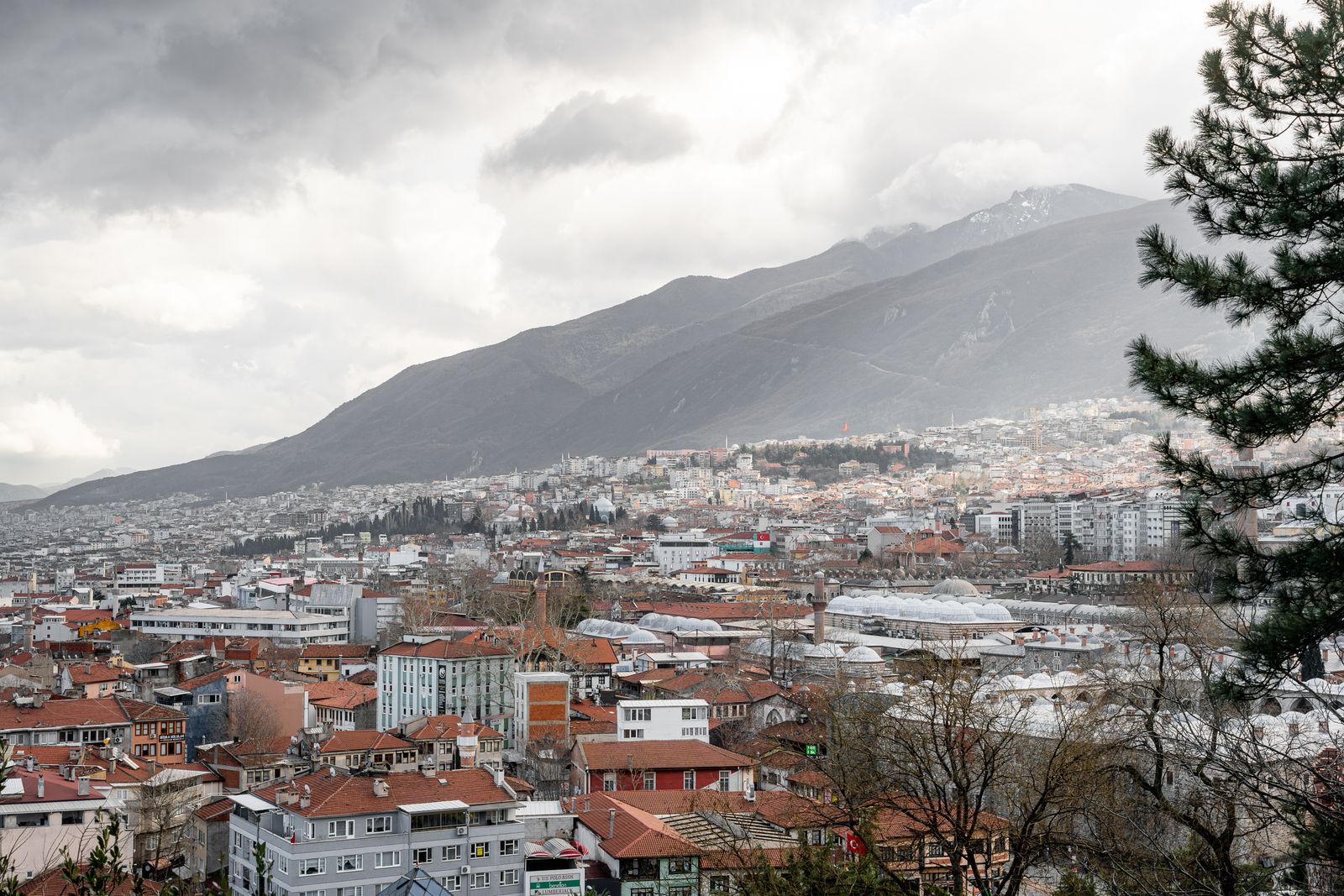
Depart for Bursa at 08:30.
Bursa was the first capital of the Ottoman Empire - established here in 1326 when Osman I's son Orhan captured the Byzantine city and made it the base from which an empire that would eventually control three continents was built. The city sits at the foot of Uludağ - the Great Mountain, rising to 2,543 metres - and carries the evidence of its founding role in the architecture of its mosques and the tombs of its earliest sultans with a consistency that Istanbul, having absorbed seven centuries of subsequent ambition, no longer provides in the same concentrated form.
Return to Istanbul hotel by evening.
The Bosphorus Behind You. The Mediterranean in Front. The Country Has Changed Completely.
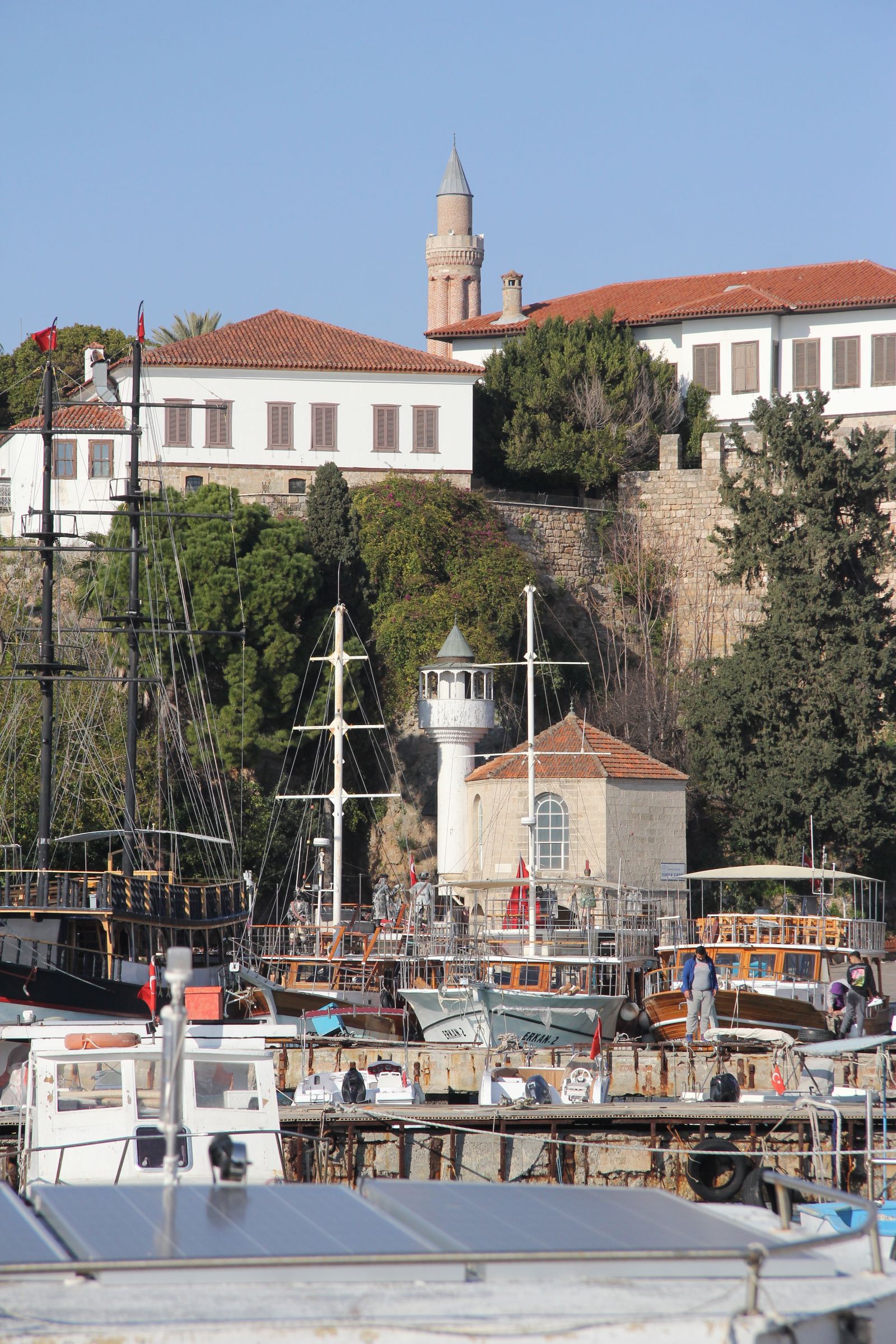
Breakfast at the hotel. Check-out. Transfer to Istanbul Airport for the flight to Antalya.
Antalya occupies a position on the Turkish Mediterranean coast that the ancient world considered exceptional and the modern world has confirmed: a natural harbour below a cliff, backed by the Taurus Mountains at a distance that keeps the coastal plain fertile and the views dramatic, with 300 days of annual sunshine and a sea temperature that the Romans called the Mare Nostrum and used as their personal shipping lane for five centuries.
The old city - Kaleiçi - is built within the original Roman walls on the cliff above the harbour. The harbour itself has been operating continuously since approximately 150 BC, when the Attalid king Attalus II of Pergamon founded Attaleia as his personal port. The name evolved. The location did not.
Check in to Elegance East Hotel Boutique Class. Explore the Kaleiçi neighbourhood in the evening - the Roman harbour at sunset, the Hadrian's Gate (built in 130 AD to commemorate the Emperor's visit and still standing in its original dimensions), and the narrow lanes of the old city where Ottoman-era timber houses lean over cobblestone streets above the cliff.
Waterfalls Into the Sea. A Cable Car Over the Taurus. The Mediterranean From 1,750 Metres.
Breakfast at the hotel. Antalya Full Day City Tour departs at 09:00.
Thermal Springs Have Been Cascading Down This Cliff for 17,000 Years. The Romans Built a City on Top. Both Are Still There.
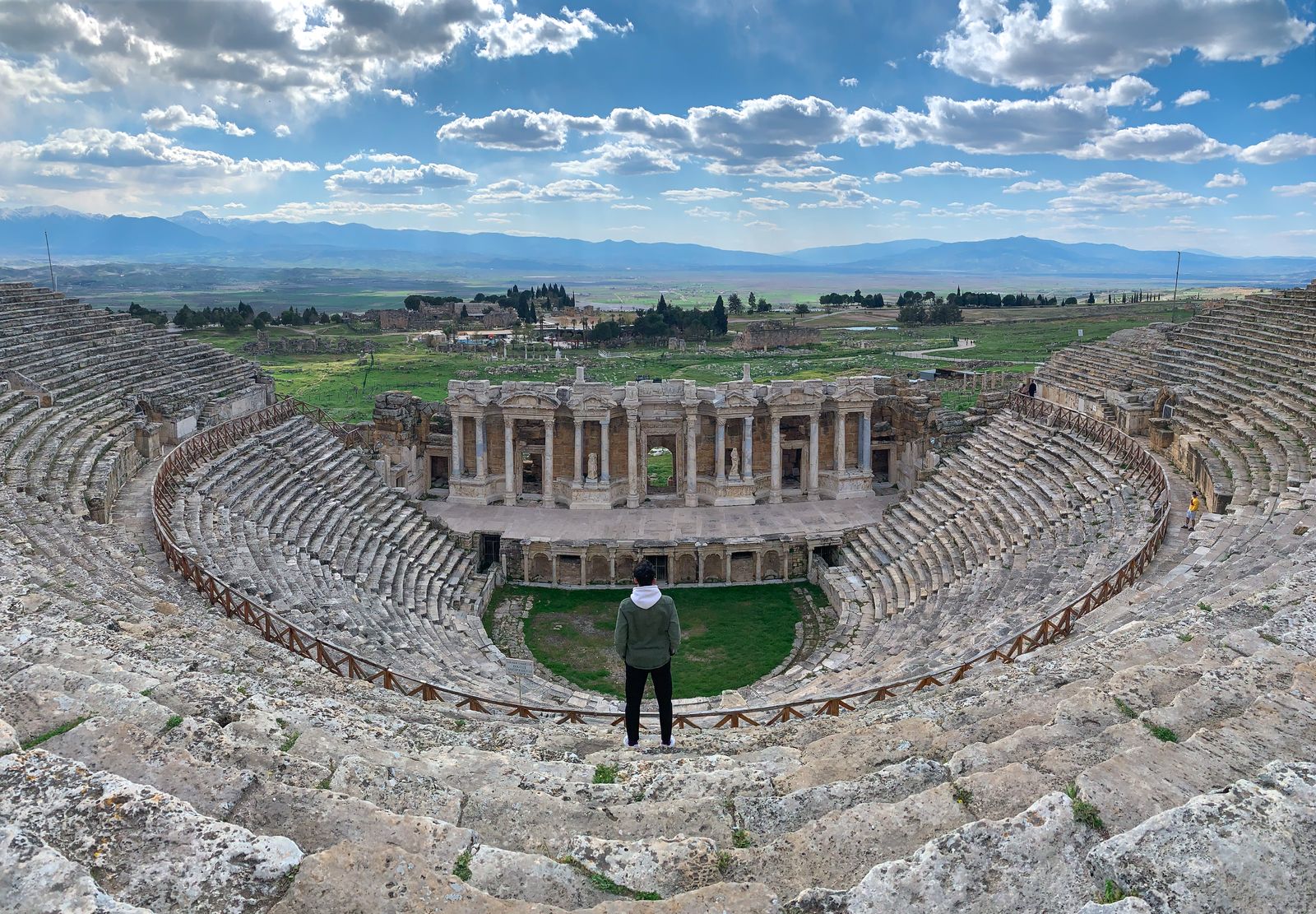
Pamukkale sits 190 kilometres north of Antalya. The drive crosses the interior Anatolian plateau at a different elevation and a different temperature from the coast - drier, wider, the landscape that the Roman road network was built to traverse at the pace of a legionary column.
The travertine terraces are a natural hydraulic phenomenon: thermal springs at 35°C emerge from the hillside carrying dissolved calcium bicarbonate, which precipitates as calcium carbonate on contact with open air and builds up in white terraced pools over geological time. The result is a hillside of white mineral formations that look like a ski slope in the middle of an Aegean summer and have been attracting visitors since the 2nd century BC, when the Pergamene kings founded Hierapolis as a spa city for the pools below.
The ancient city of Hierapolis sits immediately above the terraces - one of the most intact Roman urban sites in Turkey, with a theatre, a colonnaded main street, bath complexes, and a necropolis of 1,200 tombs extending along the northern city wall. The theatre was built in the 2nd century AD and seated 15,000. The stage building is partially restored. The view from the upper cavea across the Lycus Valley is the view the theatre's original audience had. The landscape has not changed.
Lunch included during the tour. Return to Antalya by evening.
Nowhere Else Looks Like This. Not Even Close.
Breakfast at the hotel. Check-out. Flight to Cappadocia (Nevşehir or Kayseri Airport). Transfer to Cappadocia Inn Hotel. Check in.
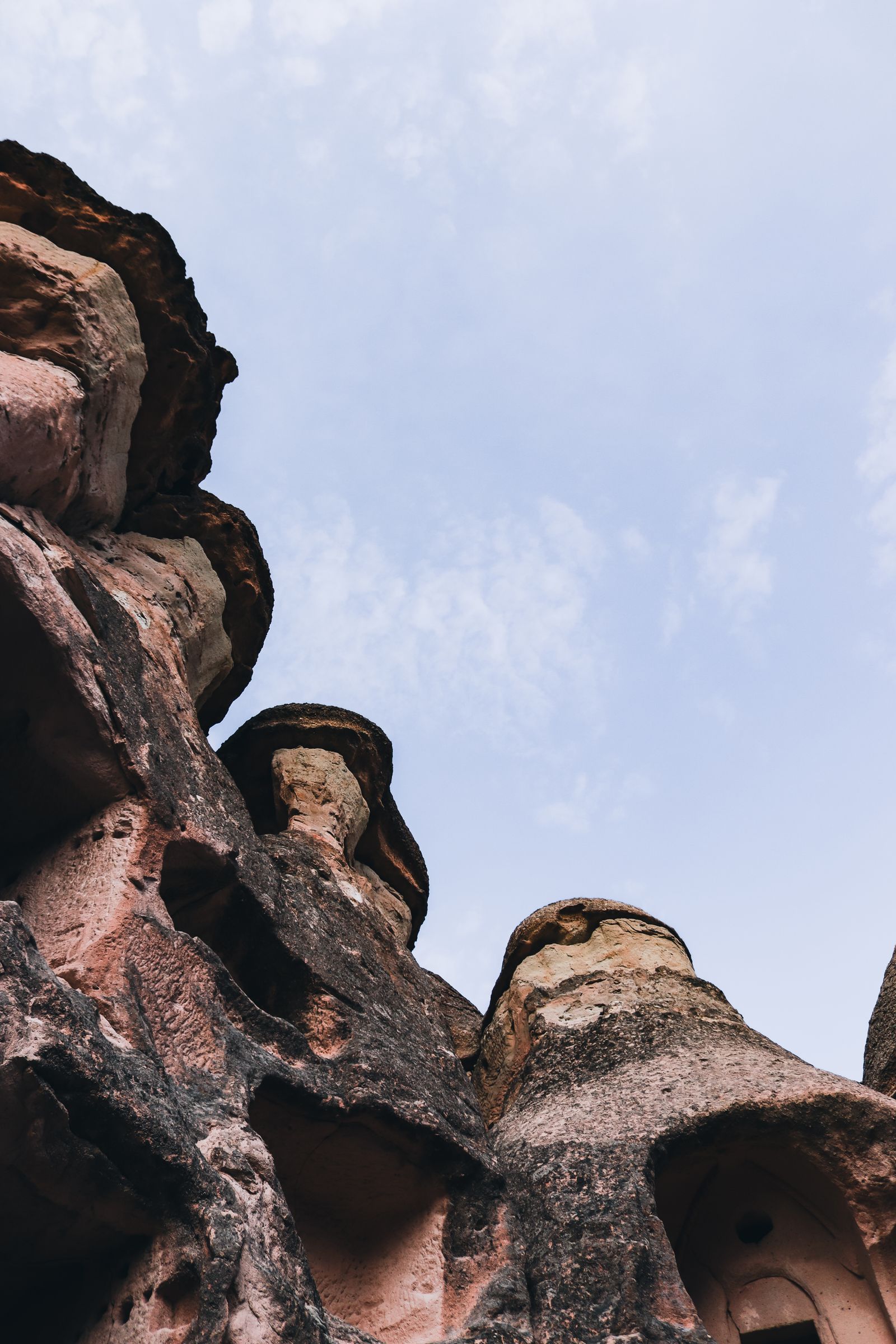
Cappadocia is the result of three geological events occurring in the correct sequence over 10 million years: volcanic eruptions from the Erciyes and Hasan volcanoes depositing thick layers of soft tuff across the Central Anatolian plateau; subsequent eruption of harder basalt flowing on top; and then millennia of erosion selectively removing the tuff from beneath the basalt caps, leaving isolated columns of soft rock capped in hard stone - the fairy chimneys. The early Christian communities who arrived in the 1st century AD found rock they could excavate with hand tools and proceeded to build an entire civilisation underground - 36 known underground cities, the largest accommodating 20,000 people at depths of 85 metres, with ventilation shafts, wine presses, stables, and churches hewn entirely from the rock.
The evening is unscheduled. Göreme village - the centre of the Cappadocia region - has enough cave restaurants, rooftop bars, and valley viewpoints to absorb an unplanned evening without guidance. The sunset over the Rose Valley from any elevated point in Göreme is the preview of tomorrow morning's balloon launch. Rest early. The alarm tomorrow is 04:00.
04:00. The Balloon Inflates in the Dark. The Sun Rises Over 100 Balloons. No Photograph Prepares You.
Departure at 04:00. The balloon launch site fills in darkness - dozens of envelopes being inflated simultaneously, the propane burners producing the specific orange light that illuminates the interior of a balloon being prepared for flight. The ascent begins before sunrise, at the altitude where the fairy chimney formations below are readable as a landscape rather than individual features.
The flight covers the valleys of Cappadocia as the sun clears the eastern horizon - the Rose Valley, the Sword Valley, the cave church complexes of Göreme visible from above as a pattern of carved doorways and windows in the valley walls. At this altitude and this time, Cappadocia reads as the geological record it is: a landscape that erosion built over millions of years and that humans carved into over thousands, both processes visible simultaneously from 300 metres.
The flight concludes with a traditional champagne toast on landing - a balloon industry custom initiated in France in 1783 when the first passengers landed in a field and needed to assure the terrified farmers watching them that they were not demons descending from the sky. The custom has continued as a celebration. Breakfast follows the landing.
Return to hotel. Rest and refresh - the morning has started at 04:00 and has already been eventful.
The Cappadocia Green Tour departs after rest. The Green Tour covers the southern valleys of Cappadocia - the Ihlara Valley, a 16-kilometre canyon carved by the Melendiz River through the volcanic plateau, its walls lined with Byzantine-era rock-cut churches decorated with frescoes from the 9th to 12th centuries. The hike through the valley floor follows the river between the canyon walls, the churches appearing in the rock face at intervals, each one a document of early Christian art produced in a community that chose geological remoteness as protection against successive waves of persecution and invasion.
Lunch is included during the Green Tour.
Nine Days. Every Day Structurally Different. The Flight Back Is the Only Straightforward Part.
Breakfast at the hotel. Check-out. Transfer to the airport for the return flight to Delhi.
Nine days of Turkey: the Bosphorus from a dinner cruise on night one; Hagia Sophia - 1,500 years of continuous architectural meaning - on day two; Bursa's Ottoman foundations on day three; the Roman harbour at Antalya on day four; a waterfall dropping into the Mediterranean and a cable car over the Taurus on day five; a hillside of white thermal terraces above a 2nd-century Roman city on day six; Cappadocia's volcanic landscape on day seven; a sunrise balloon over fairy chimneys on day eight.
Turkey does not repeat itself. Nine days confirms that.