
A Switzerland itinerary built around a single region - say, just Zurich or just the Bernese Oberland - misses the fundamental truth about what this country contains. Switzerland's 41,000 square kilometres hold four language regions, four distinct Alpine landscapes, and a sequence of experiences that move from lakeside urban to high-Alpine wilderness to French Riviera elegance within a single train journey.
This 14-day Switzerland travel itinerary is designed in a west-to-east unwinding sequence: Zurich as the efficient, cultured entry point. Engelberg and the Mt. Titlis glaciers as the first Alpine immersion. Jungfraujoch - the Top of Europe at 3,454 metres - as the itinerary's highest point in every sense. Gstaad's village streets and Glacier 3000 as the transition. Then Montreux on Lake Geneva to close the trip with the most cinematically beautiful stretch of Swiss landscape, the Evian ferry across the French border, and the Chocolate Train through Gruyères.
Every activity has a booking link. Every hotel is confirmed. The Swiss Pass covers trains between all cities. What Switzerland delivers in return for two weeks of your time is, simply, the most beautiful country in Europe operating at the highest standard of infrastructure it has maintained since 1291.
Zurich Airport Is the Most Efficient Entry Point in Europe. The City It Delivers You Into Is the Most Underestimated Capital on the Continent.
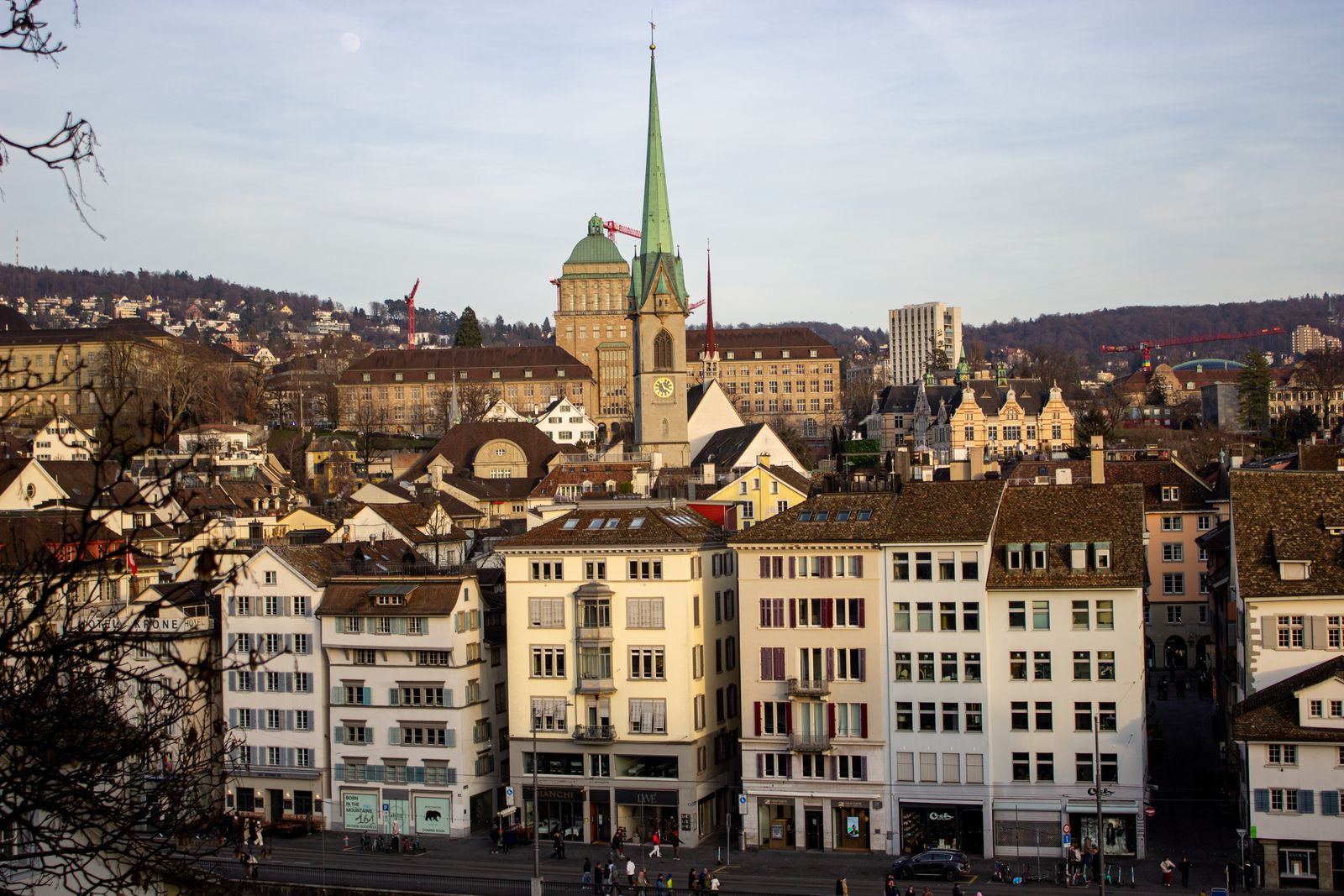
Zurich Kloten Airport is 12 kilometres from the city centre - the Airport Express train connects to Zurich Hauptbahnhof in 10 minutes, running every 10 minutes. The Novotel Zurich City West sits in the regenerated Zurich-West district, the former industrial quarter that now contains the city's best restaurants, design studios, and the Prime Tower - Switzerland's tallest building. Check in, walk the Langstrasse, eat well. The Alps begin tomorrow.
Zurich rewards one evening of slow exploration before the activity schedule begins. The old town's Niederdorf quarter - cobblestones, guild houses, and the Grossmünster cathedral where Zwingli launched the Swiss Reformation in 1519 - covers Switzerland's pre-alpine urban history in a 20-minute walk. The Bahnhofstrasse is the most expensive retail street in the world by property value, which makes window-shopping it at dusk a genuinely interesting activity regardless of whether you intend to buy anything. The lake is free, lit at night, and populated by swans that Zurich's municipal government considers a civic amenity.
Pre-booked private vehicle transfer also available · Novotel Zurich City West is 15 min from the Hauptbahnhof by tram.
Lindt Has Been Making Chocolate in Switzerland Since 1845. The Museum Explains the Process, Then Hands You the Results. The Zoo That Follows Is One of the Best in Europe and Nobody Outside Switzerland Seems to Know It Exists.
The Lindt Home of Chocolate guided tour in Kilchberg - 15 minutes from Zurich by S-Bahn - is the correct way to understand why Swiss chocolate has a global reputation it has held since the 19th century. The museum covers the full history of cacao from the Aztec Empire through the Dutch invention of the cocoa press in 1828, Lindt's development of the conching process in 1879 (which created the smooth, melt-in-the-mouth texture that defines modern milk chocolate), and the industrial-scale production that Kilchberg has run since 1898. The guided tour includes tastings at multiple stages. The chocolate fountain in the lobby is 9 metres tall and contains approximately 1,500 kilograms of liquid Lindt chocolate at any given moment.
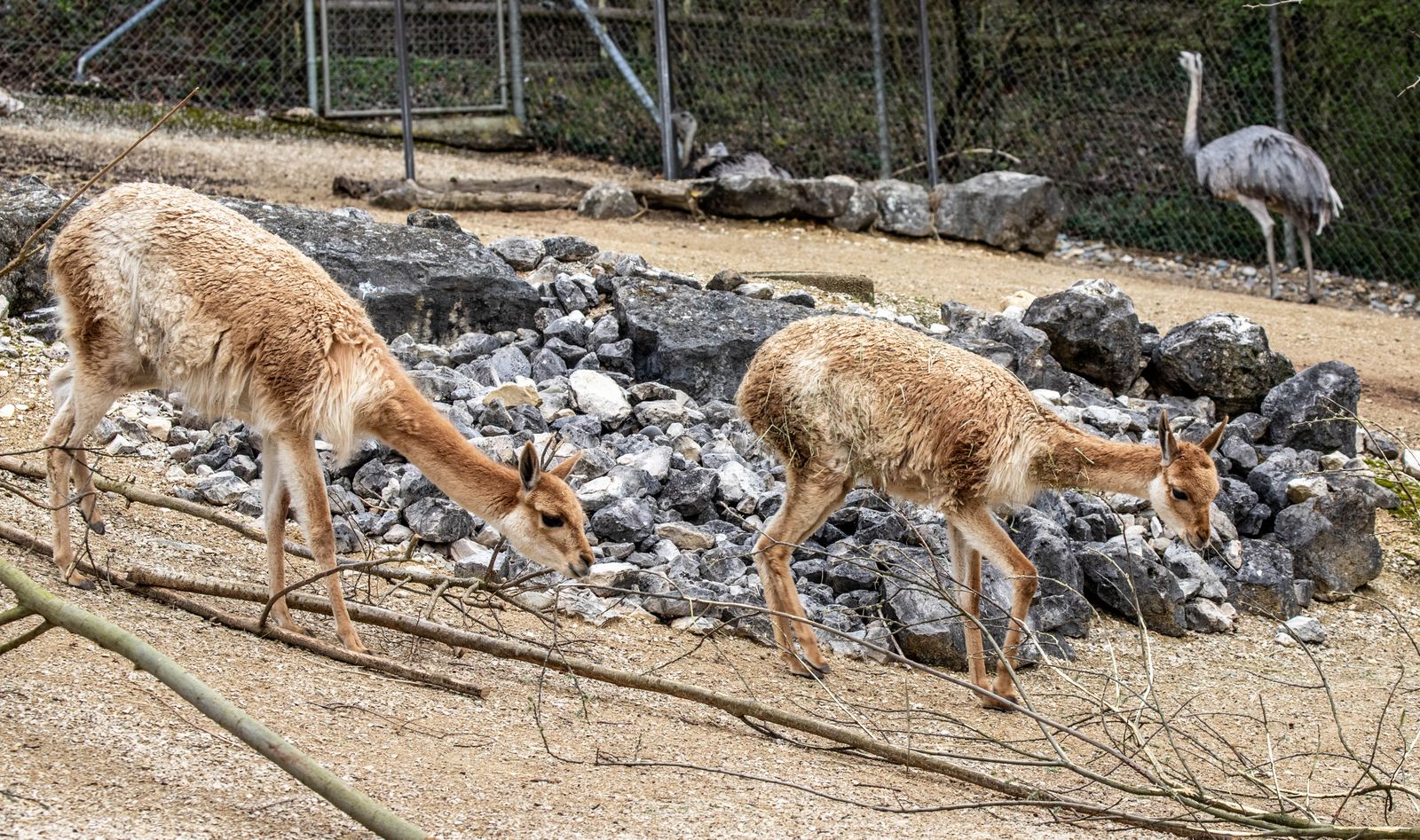
Zurich Zoo sits on the Zürichberg hill overlooking the city and is consistently rated among the top ten zoos in Europe. Its distinguishing feature is the Masoala Rainforest - a 11,000 square metre glass dome housing a complete Madagascan rainforest ecosystem at operational temperature and humidity, with free-flying birds, chameleons, and lemurs moving through the canopy above visitors. The Kaeng Krachan Elephant Park is the largest indoor elephant enclosure in Europe. The zoo is 2 kilometres from the city centre and accessible by tram - the combination of the chocolate museum and the zoo fills a full day without any sense of rush.
The Rhine Falls Is the Largest Waterfall in Europe by Volume. The Medieval Town 8 Kilometres Downstream Has Been Unchanged Since the 16th Century. Both Are an Hour From Zurich and Neither Requires Any Planning Beyond This Booking Link.
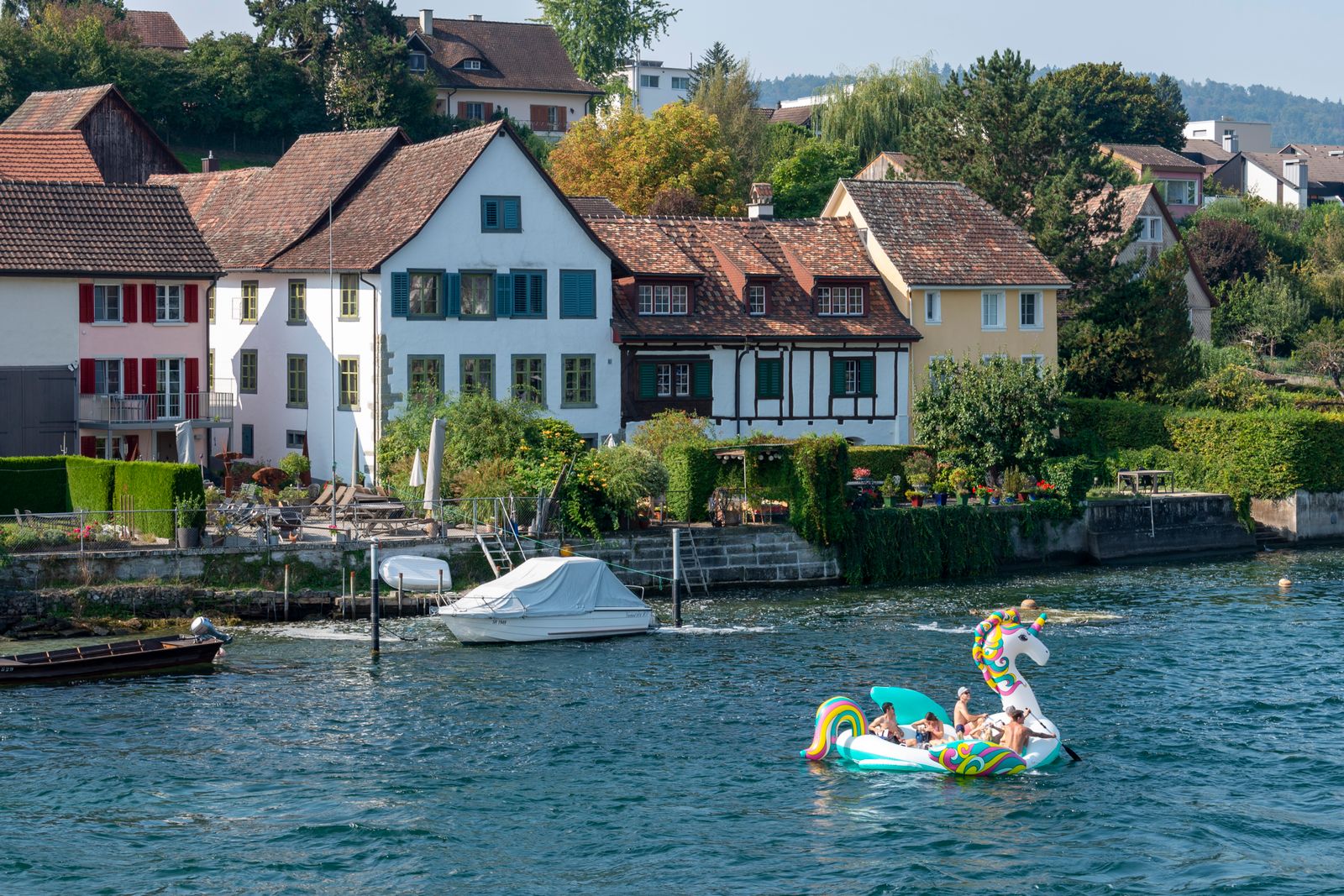
The Rhine Falls and Stein am Rhein half-day tour from Zurich covers Switzerland's most dramatic waterscape and its most intact medieval town in a single run. The Rhine Falls at Schaffhausen is 150 metres wide, 23 metres high, and discharges an average of 700 cubic metres of water per second - figures that mean nothing until you are standing on the viewing platform 10 metres from the main fall, receiving the spray at full force, and understanding that the sound made this close is not ambient noise but physical pressure. A boat takes passengers to a rock in the middle of the falls where a Swiss flag flies - which is either the most Swiss thing Switzerland has ever done or the bravest, depending on your interpretation.
Stein am Rhein is 8 kilometres downstream: a medieval walled town whose Rathausplatz (town square) has the highest concentration of fresco-painted facades in the German-speaking world. The paintings on the buildings are not decorative - they are narrative, depicting the specific history of each guild house in 16th-century tempera that is still maintained by the current owners. The town has approximately 3,000 residents and receives more visitors per capita than almost anywhere in Switzerland. It looks exactly like a film set and is entirely genuine.
The Rotair Is the World's First Revolving Cable Car. It Completes One Full Rotation in the 5 Minutes It Takes to Reach the Summit at 3,020 Metres. Every Direction Shows You Something That Justifies the Rotation.
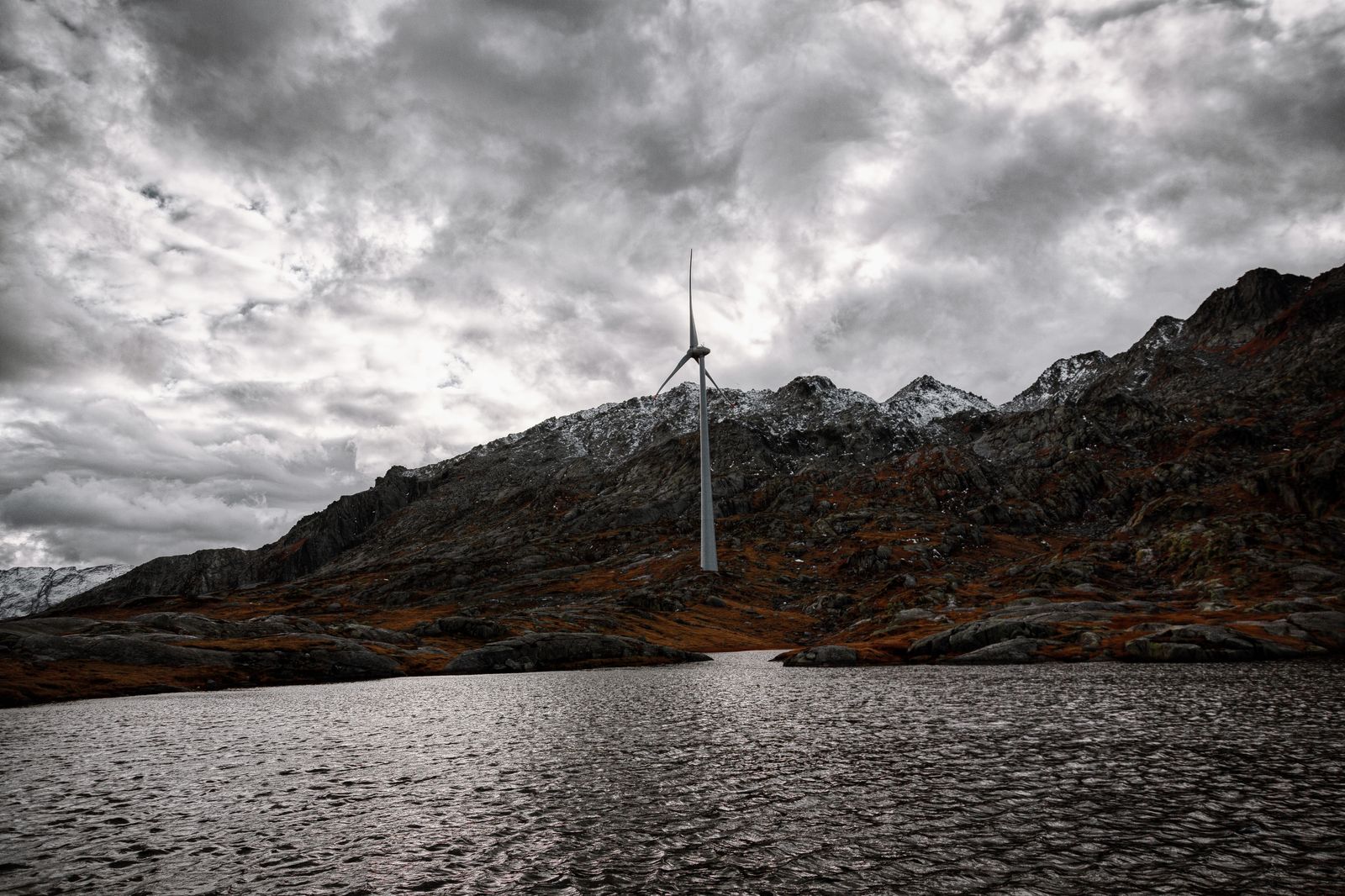
Check out of Zurich and travel to Engelberg - 90 minutes by train through the pre-Alpine landscape of central Switzerland, rising from the Mittelland plateau into the valley that the Benedictine monastery at Engelberg has occupied since 1120. The H Hotel SPA Engelberg is walkable from the Titlis cable car base station, which makes the transition from train to glacier a matter of minutes.
The Mt. Titlis Rotair Cable Car and Ice Flyer experience ascends in stages: gondola from Engelberg to Trübsee at 1,800 metres (a lake frozen in winter, turquoise in summer), then the Rotair - the revolving cabin that rotates 360 degrees during the 5-minute final ascent to Klein Titlis at 3,020 metres, giving every passenger a complete panorama of the Urner Alps, the Bernese Oberland, and on clear days, the Jura mountains to the northwest. The Titlis Cliff Walk is Europe's highest suspension bridge at 3,041 metres - 100 metres long, 500 metres above the glacier below. The Ice Flyer chairlift crosses the glacier. The Ice Cave cuts through 15 metres of glacier ice with blue light filtering through walls that have been accumulating since the last ice age.
3,454 Metres. The Highest Railway Station in Europe. The Aletsch Glacier Stretching 23 Kilometres Below You. This Is the Top of Europe and It Earns the Name Without Apology.
The Jungfraujoch round-trip via the Eiger Express from Grindelwald is the definitive Swiss mountain experience and the one most travellers describe as the single best day of a Switzerland itinerary. The Eiger Express gondola - opened in 2020, replacing a 70-minute train journey with a 15-minute cable car - ascends the north face of the Eiger at 120 km/h, delivering passengers from Grindelwald to the Eigergletscher station where the cogwheel train to Jungfraujoch begins. The mountain railway then runs for 9 kilometres through tunnels bored into the Eiger and Mönch, with two panoramic windows cut into the cliff face at Eigerwand and Eismeer stations - viewpoints over the glaciers below that were carved during the 16-year construction of the tunnel between 1896 and 1912.
The summit platform at Jungfraujoch sits at 3,454 metres on the saddle between the Jungfrau and Mönch peaks. The Sphinx Observatory - built in 1937, the highest inhabited structure in the Alps - has a viewing terrace that puts the Aletsch Glacier directly below you, curving 23 kilometres toward the Rhône Valley. The Plateau is open for walking on the glacier surface in crampons. The Ice Palace has corridors carved 20 metres into the glacier ice with sculptures maintained by the Jungfraujoch team. On a clear day, the visibility from the top deck reaches the Black Forest in Germany. On a cloudy day, you are above the clouds.
One Night Under Canvas in the Alps at 1,950 Metres. Then Gstaad - the Village Where the Chalets Cost More Than Most Cities' Hotels, the Streets Are Free to Walk, and the Mountains Surrounding It Are Available to Everyone.
The Arolla Camping at La Monta with Cocoon Family Tents offers the one genuinely unexpected experience in this Switzerland itinerary - a night at 1,950 metres altitude in the Val d'Hérens, a remote high-alpine valley in canton Valais that has no mass tourism infrastructure and no reason for most visitors to be there except that it is one of the most silent and dramatically beautiful places in the Alps. The Cocoon tents are insulated, heated, and structurally serious - this is not roughing it; it is the correct way to spend a night in an environment where the nearest artificial light is 15 kilometres away and the star density at altitude has no equivalent at sea level.
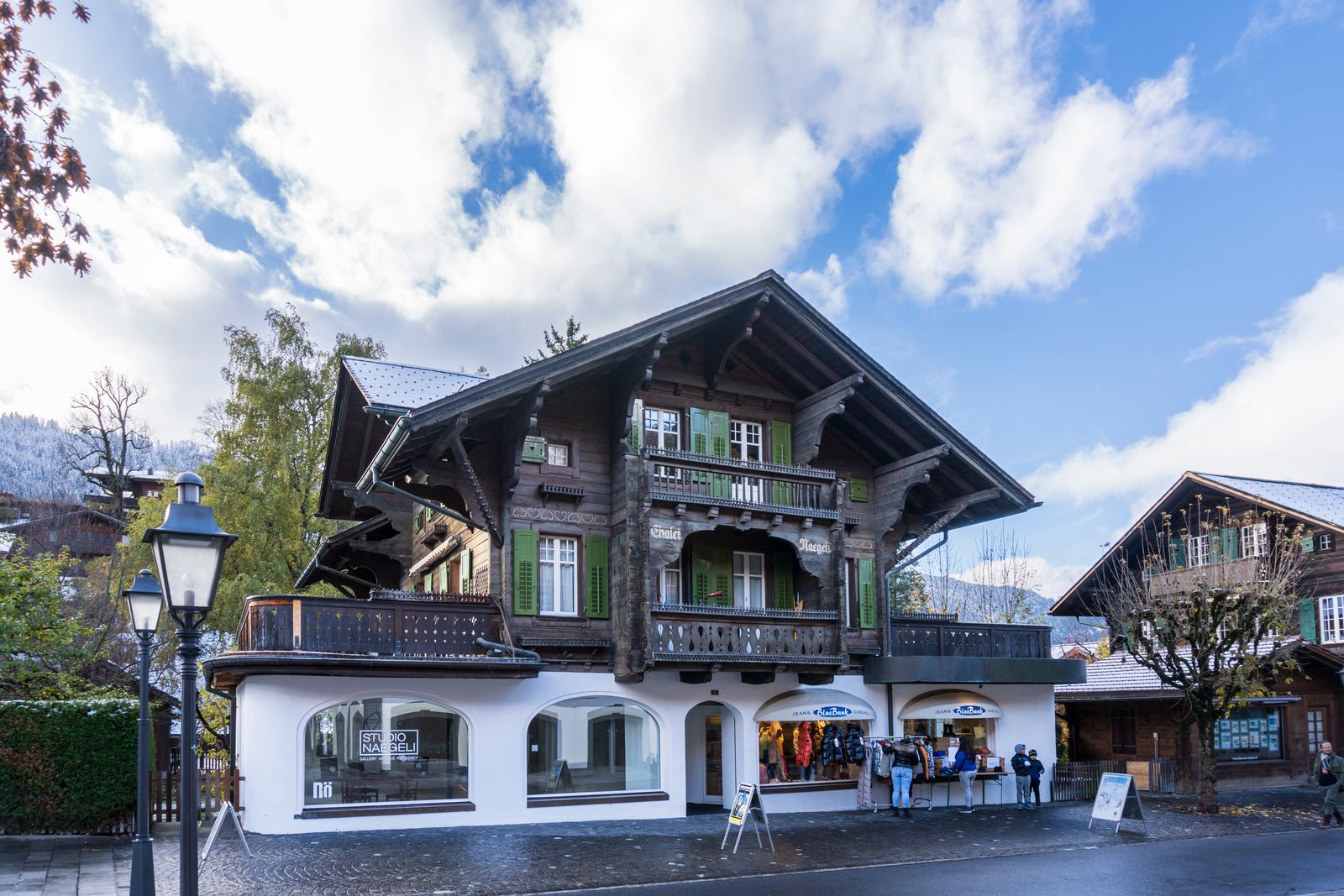
Transfer to Gstaad by private vehicle. Gstaad is, by reputation, the most exclusive ski resort in Switzerland - which makes the reality of walking its village streets as a visitor either surprisingly accessible or surprisingly ordinary, depending on your expectations. The chalets have been here since the early 20th century. The streets are pedestrianised. The church is 13th century. The mountains surrounding the village are available to everyone on public gondolas that the billionaire second-home owners use alongside the day-trippers. Check in at the Bernerhof Swiss Quality Hotel, which is in the village centre, and spend the evening in a place that the internet makes seem unapproachable and that is, in practice, a very beautiful Swiss village with excellent fondue restaurants.
Glacier 3000 Sits Above the Clouds at 2,971 Metres. The Alpine Coaster Descends 1,000 Metres of Slope in a Cart With No Speed Governor and No Apology.
The Glacier 3000 day trip from Gstaad takes you to the Col du Pillon cable car, which ascends to the summit plateau at 2,971 metres - the only glacier accessible by cable car in the Swiss Pre-Alps. The summit view covers the Bernese Oberland from the Jungfrau to Mont Blanc: 24 Alpine peaks above 4,000 metres visible on a clear day from a single viewpoint. The Peak Walk by Tissot is a suspension bridge connecting two mountain peaks at altitude - the only bridge in the world connecting two peaks, 107 metres long, with the glacier 80 metres below.
The Alpine Coaster is the most specific thing Glacier 3000 offers and the hardest to describe accurately without sounding like a theme park advertisement. It is a toboggan run built into the glacier slope - 1,000 vertical metres, twin rails, a wheeled cart that the rider controls with a hand brake, descending through hairpin turns on a slope that the surrounding skiing infrastructure makes look manageable from the gondola and considerably less manageable at speed with your own weight as the only braking system. There is a speed limit in theory. The actual experience suggests the theory is optimistic.
Gstaad at Your Own Pace Is a Different Country From Gstaad on a Schedule. The Village Rewards Unstructured Time More Than Most Swiss Destinations.
A free day in Gstaad is not wasted time - it is the day you discover what the village actually contains beyond its itinerary highlights. The Promenade runs through the village with its boutiques, the covered market arcade, and the specific mix of Swiss agrarian tradition and very expensive watches that defines Gstaad's commercial identity without apology. The public gondola to Eggli at 1,557 metres runs year-round and reaches a plateau with 360-degree Pre-Alpine views and a hiking trail network that requires no equipment beyond walking shoes. The fondue restaurants on the Promenade - La Fromagerie in particular - are the standard Swiss winter meal elevated to the version that Swiss people eat when they're not making it for tourists. Order the moitié-moitié: half Gruyère, half Vacherin Fribourgeois.
Montreux Sits Where the Alps Meet Lake Geneva. The Result Is a Microclimate So Mild That Palm Trees Line the Promenade and the Vineyards Behind the Town Are UNESCO-Listed. Switzerland Saved Its Best Backdrop for Last.
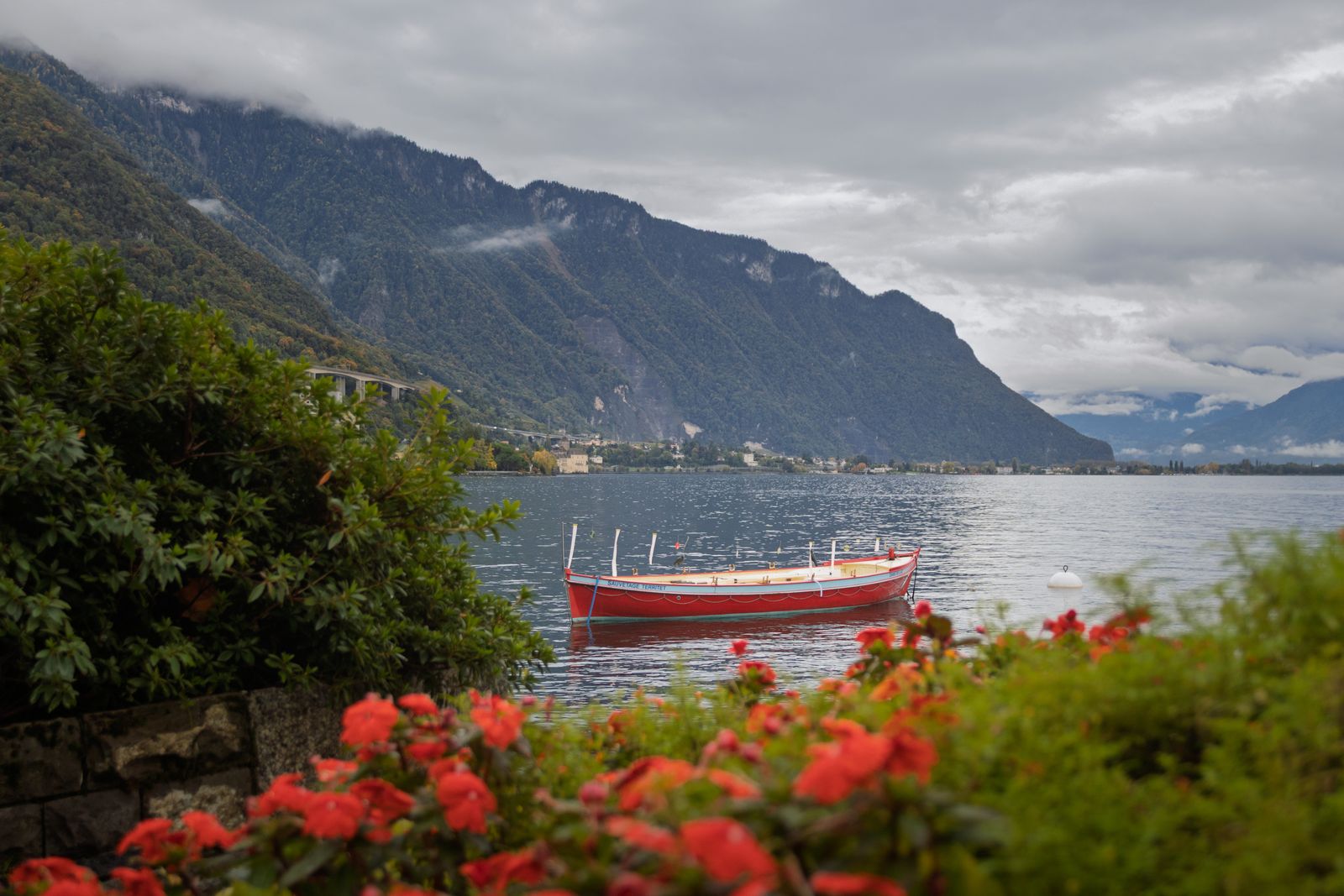
The private vehicle transfer from Gstaad to Montreux runs through the Pays-d'Enhaut alpine valley and descends to the lake through the Lavaux wine terraces - a UNESCO World Heritage vineyard landscape that covers the hillside between Lausanne and Montreux in 830 hectares of terraced vines that have been farmed since the 11th century. The transition from Alpine village to lakeside Riviera takes approximately 90 minutes by road and represents the sharpest landscape change in the itinerary.
Montreux is most famous internationally for the Jazz Festival it has hosted every July since 1967 and for the Chillon Castle - a 13th-century water fortress on a rock in the lake 3 kilometres east of the town that Lord Byron visited in 1816 and wrote about sufficiently to make it one of the most visited historic buildings in Switzerland. The Eurotel Montreux is on the lakefront with direct views across Lake Geneva. Day 10 is arrival and acclimatisation. Walk the promenade. The Freddie Mercury statue is there - 2 metres of bronze at the water's edge, installed in 1996, overlooking the lake he moved to Montreux to be near. The town is smaller than it looks on the map and more beautiful than any photograph of it manages to convey.
The Ferry From Lausanne Crosses Lake Geneva Into France in 35 Minutes. Evian-les-Bains on the Other Side Is the Spa Town That Put Its Name on a Water Bottle and Then Kept Going. The Optional Convertible Makes the Drive Back More Memorable Than the Destination.
The Montreux private walking tour covers the lakefront Promenade with its 200 varieties of palm, almond, and cypress trees that the Montreux microclimate supports at 46°N latitude - a climate anomaly created by the surrounding mountains trapping warm air from the south. The tour covers the Chillon Castle, the old town market quarter above the lakefront, and the Fairmont Le Montreux Palace - the Belle Époque hotel whose terrace has been the standard against which every other lakeside view in Switzerland is measured since 1906. The optional coffee stop on the Fairmont terrace overlooking the lake is, in fairness, the best CHF 8 you will spend in Switzerland.
The excursion to Evian-les-Bains runs via train to Lausanne (20 minutes) then ferry across Lake Geneva to the French shore (35 minutes). Evian is the source of the mineral water that has been bottled from the same underground aquifer since 1829 - the water filters through the Chablais Alps for 15 years before emerging at the Evian source at a constant 11.6°C with a mineral composition that has not changed in the 195 years since it was first bottled. The town itself is a French Alpine spa resort with 19th-century architecture and the thermal baths that were originally the reason anyone came here before the water became global. Return to Montreux by the same route.
A Belle Époque Train Carriage. A Medieval Castle Town Built on a Hilltop in 1244. A Chocolate Factory That Has Been Making Cailler Since 1819. Switzerland Manages to Make Even Its Train Excursions Taste Like Something.
The Chocolate Train - one of the finest Switzerland Alps scenic train journeys you can take - is the most Swiss thing on this itinerary and the one that delivers on its premise without qualification. The train departs Montreux in a vintage Belle Époque carriage - the 1915 wooden-panelled cars that used to run the original Montreux-Oberland-Bern express - and travels through the Pays-d'Enhaut to Montbovon, where passengers transfer to a bus for the approach to Gruyères.
Gruyères is the medieval hilltop town that gave its name to the cheese that covers the floor of every raclette and fondue pot in the world. The town itself sits on a ridge 810 metres above the Gruyère valley, with a 13th-century castle, cobblestoned main street, and the cheese dairy below the walls where you watch the Gruyère AOP being made in copper vats - the same process, the same recipe, the same aging caves that have produced this cheese under this name since the 12th century. The H.R. Giger Museum in the castle grounds is an unexpected bonus: the Swiss surrealist artist who designed the Alien film creature had his entire permanent collection housed here, which is not what you expect two doors down from a medieval cheese dairy but is entirely authentic Swiss eccentricity.
The bus continues to Broc and the Cailler Chocolate Factory - the oldest chocolate brand in Switzerland, founded 1819, now part of the Nestlé group but still produced in Broc at the original Alpine factory. The factory tour covers the complete production process and ends with an open tasting room. The chocolate train returns to Montreux by late afternoon.
The Last Full Day in Switzerland Belongs to the Lake. Montreux at Leisure Gives You the Version of the Country That Doesn't Require a Cable Car or a Train Ticket to Access.
The final free day in Montreux is the correct ending for a 14 days Switzerland itinerary - and if you are wondering what to do in Switzerland summer holidays, this day answers that question better than any list that has covered 3,454 metres of altitude, three language regions, two glaciers, one chocolate factory, one medieval castle town, and one revolving cable car. The Chillon Castle - the water fortress that Byron made famous - is 3 kilometres along the lakefront promenade by foot, or one stop by train if the weather turns. The Lavaux vineyards are accessible by foot from the eastern edge of Montreux - the UNESCO terraced vines produce a Chasselas white wine that the winemakers consistently refuse to export in any quantity, on the grounds that it is better drunk on the terrace where it was grown. They are correct. Buy a glass at the domaine and drink it there.
The Montreux promenade in the evening - the lake lit by the mountains reflecting the last light, the Freddie Mercury statue with its back to the Dents du Midi, the restaurants opening for the dinner service - is the correct final image of Switzerland. Not a glacier, not a summit view. The country at its warmest and most human register, at water level, at the end of a trip that went as high as Europe's railways can go.
The Train to Geneva Takes 70 Minutes and Runs Along Lake Geneva the Entire Way. Switzerland's Goodbye Is as Good as Its Opening Act.
Checkout from the Eurotel Montreux. The train from Montreux to Geneva Airport (Aéroport station) takes 70 minutes on the direct InterCity service and runs along the northern shore of Lake Geneva for the full journey - vineyard terraces, the lake, the Alps on the far shore, and the gradual transition from Swiss Riviera to international city. Geneva Airport is compact and efficient. Check-in for international flights requires 2.5–3 hours. The Swiss duty-free at Geneva is the last opportunity to acquire the watches, chocolate, and Cailler bars that the itinerary has spent two weeks making unavoidable purchases.
Fourteen days in Switzerland is the correct length of time for the country to reveal itself in full. The glaciers, the railways, the chocolate, the cheese, the medieval villages, the lake, the altitude - none of it is a cliché once you have been there. All of it is exactly as good as advertised, and most of it is better than the photographs suggest. Switzerland always is.