
A Spain itinerary that only covers one region is the most common planning mistake made by first-time visitors who have heard about Barcelona and booked on that basis alone. Spain is not one country in the way most countries are one country - it is Catalonia's modernist architecture and Mediterranean attitude in the north, and Andalusia's Moorish heritage, whitewashed villages, and sherry-soaked coastal towns in the south. Both are extraordinary. Both require the other for Spain to make complete sense.
This 8-day Spain travel itinerary covers both. Two days in Barcelona for Gaudí in full - the Sagrada Família, Park Güell, Casa Batlló, the Gothic Quarter, and a flamenco show. Then Marbella on the Costa del Sol as the base for five days of day trips into the Andalusian interior: Seville for the Royal Alcázar and the Giralda, Cádiz for the oldest city in the western world, and Ronda for the bridge over the gorge that every photograph of Spain eventually gets to.
Every transfer is private and chauffeured. Every hotel is pre-selected. All activity links are live and bookable. Spain is the country that invented the idea of doing nothing particularly urgently while surrounded by world-class art, food, and coastline. This itinerary honours that instinct while ensuring nothing important gets missed.
Barcelona Announces Itself Before You Clear Customs. The Architecture Is Visible From the Taxi. The Light Is a Different Quality From Every Other European City. The Evening Belongs to the Passeig de Gràcia.
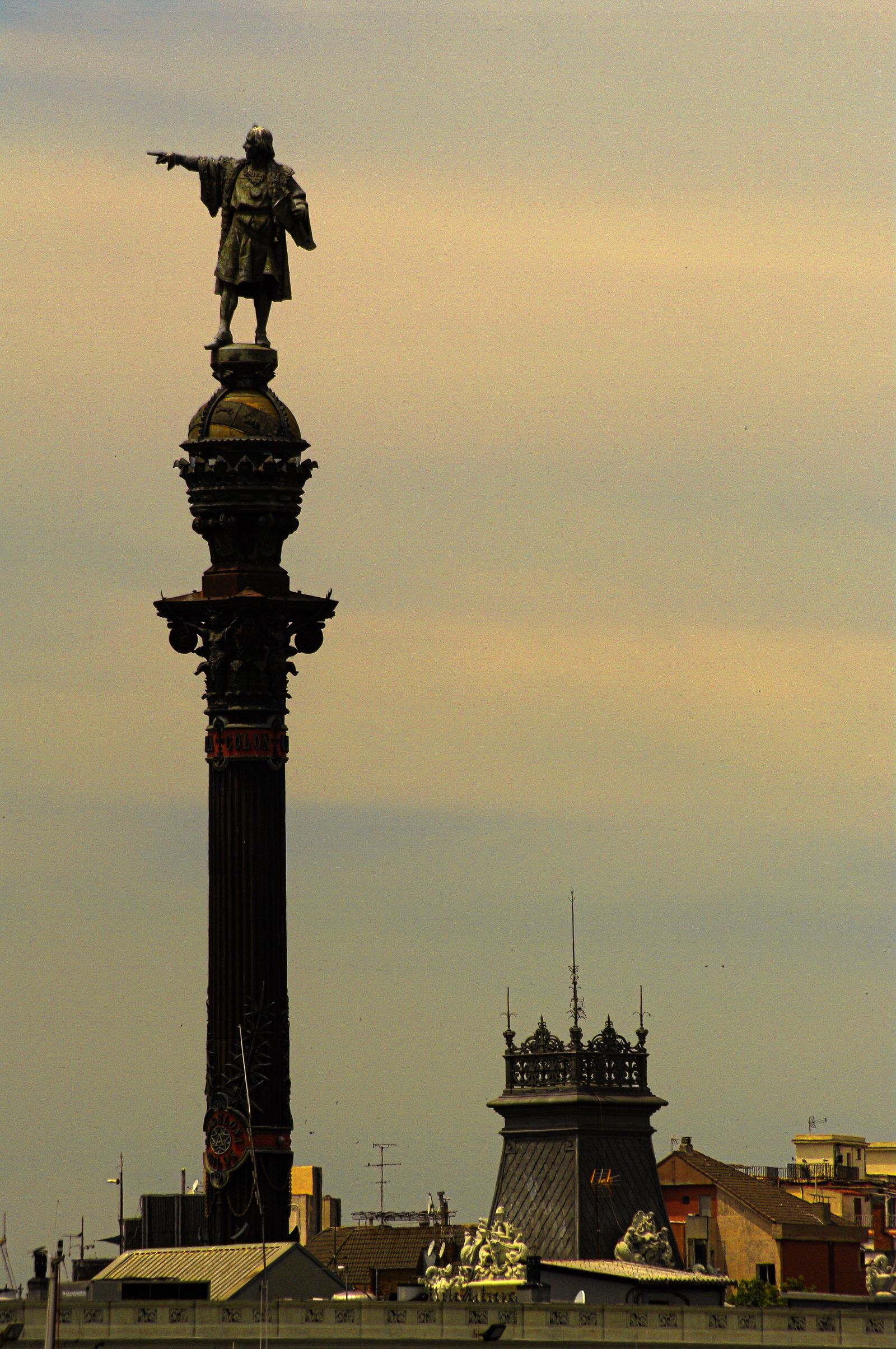
The private Mercedes E-Class transfer with English-speaking chauffeur meets you at arrivals and delivers you to the Olivia Plaza Hotel on the Plaça de Catalunya - the exact geographic centre of Barcelona, where the old city meets the Eixample grid and every major sight is within 15 minutes on foot. Check in, leave the luggage, and walk directly to the Passeig de Gràcia - the boulevard that runs north from Plaça de Catalunya through the Eixample district and contains, within a single 500-metre stretch, the three most important buildings in the history of Catalan modernisme: Casa Batlló, Casa Amatller, and Casa Lleó Morera, collectively known as the Block of Discord.
The evening rooftop bar with skyline views is the correct first image of Barcelona - the city at night from above, the Sagrada Família's illuminated towers visible 2 kilometres northeast, the grid of the Eixample lit in both directions, and the harbour beyond the old city. Light dinner. Early rest. Tomorrow is the most architecturally dense day on the entire itinerary.
English-speaking chauffeur · Luggage assistance included
One Day. One Genius Who Reimagined What Stone Could Do. One Medieval Quarter That Has Been Continuously Inhabited Since the Romans Built Their Wall Here in 10 BC. One Flamenco Show That Closes the Night the Only Way Barcelona Knows How.
The Sagrada Família priority access guided tour is the correct way to spend the first two hours of Day 2. Antoni Gaudí accepted the commission in 1883, the year after construction began, and dedicated the rest of his life to it - he was hit by a tram three blocks away in 1926 and died three days later, having completed only the crypt, the apse, and the Nativity facade. What he left were detailed scale models and geometric drawings from which the subsequent architects have been working ever since. The nave - which Gaudí designed using catenary arch geometry based on hanging chain models - was completed in 2010 and is currently the most visited building in Spain at 4.5 million visitors annually. The guided tour covers the symbolism, the geometry, and the construction history that the crowds moving through on their own never receive. The towers are climbable by lift for the Barcelona roofscape view.
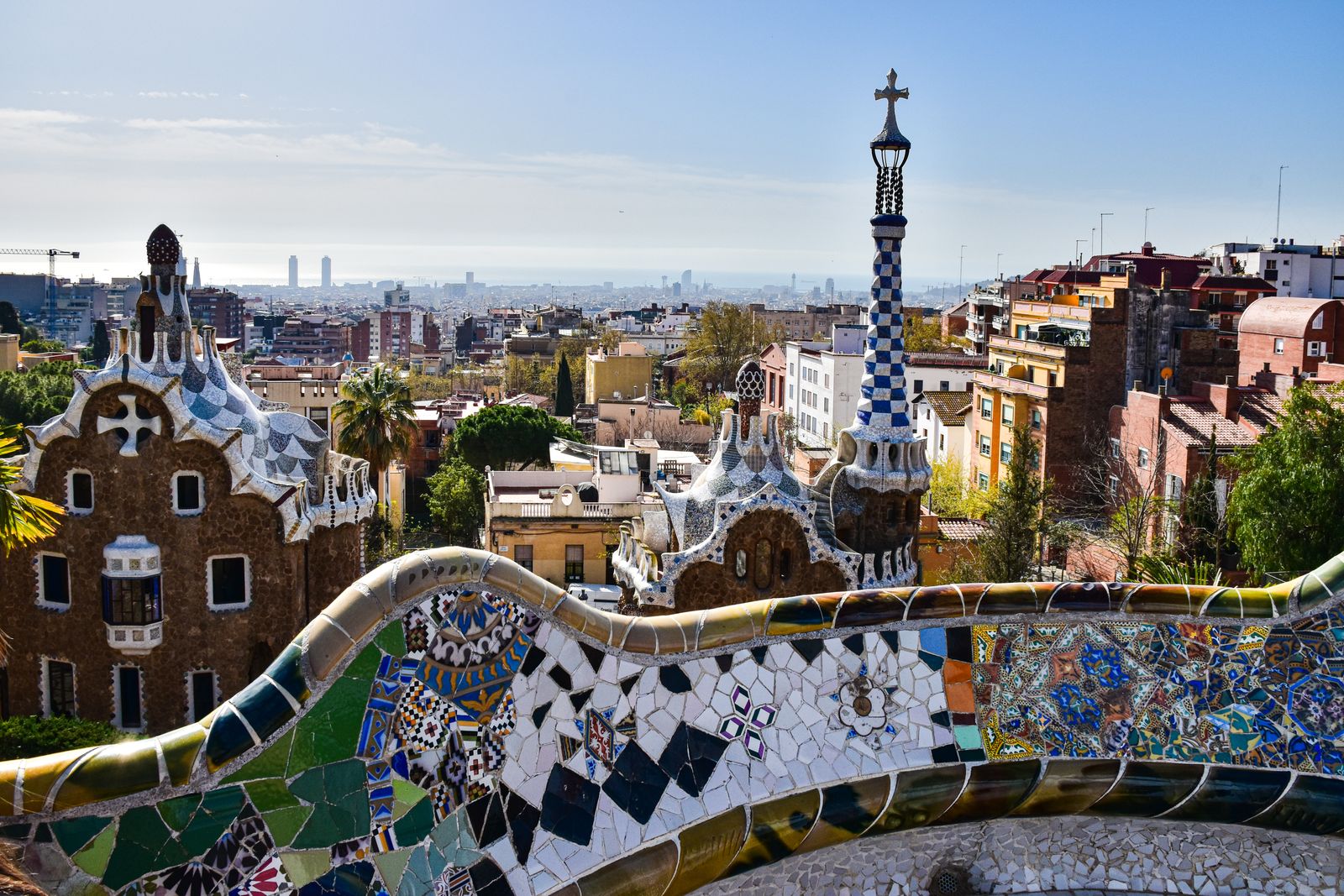
Park Güell occupies a hillside above the Gràcia district - a public park that was originally commissioned as a luxury housing estate in 1900, abandoned as a commercial project in 1914 when only two houses were built, and donated to the city by the Güell family in 1926. The paid monumental zone contains the Dragon Stairway, the Hypostyle Room (86 Doric columns supporting the terrace above), and the Great Terrace with its serpentine mosaic bench - the longest mosaic bench in the world at 110 metres, designed by Gaudí's collaborator Josep Maria Jujol using broken ceramic, glass, and ceramic fragments collected from building sites across Barcelona.
The afternoon Gothic Quarter walking tour descends from the Eixample into the medieval city within the Roman walls - the Barcelona Cathedral (begun 1298, the geese in the cloister have been there since the 14th century as a symbol of the martyr Sant Eulàlia), the Plaça del Reial with its palm trees and Gaudí-designed lamp posts (his first public commission, 1878), and La Boqueria market on La Rambla where the fresh juice stalls have been extracting orange juice to order since before the market acquired its current iron structure in 1840. The Flamenco Show at Tablao Cordobés closes the evening - a tablao show with drinks, in a venue on La Rambla that has been running professional flamenco performances since 1970.
Barcelona Runs on Catalan Coffee and Modernist Architecture. Marbella Runs on Mediterranean Sun and Puerto Banús Superyachts. The Flight Between Them Takes 90 Minutes and Covers the Full Spectrum of What Spain Considers Normal.
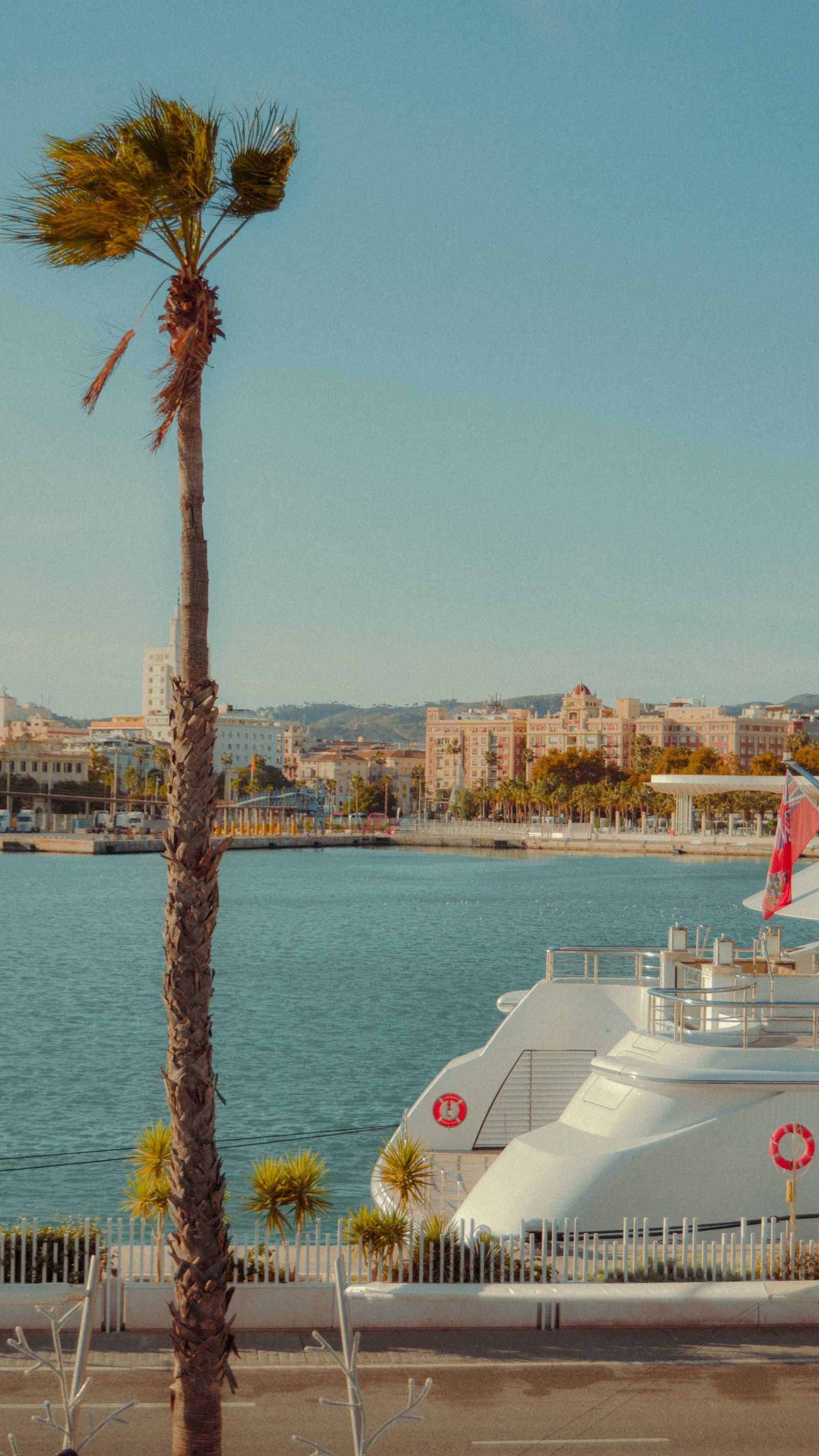
Private transfer to Barcelona El Prat Airport for the flight to Málaga Costa del Sol Airport - 90 minutes, direct. The private transfer from Málaga to Marbella runs 45 minutes along the A-7 coastal motorway with the Mediterranean on the left and the Sierra Blanca mountains on the right. Check in at the Eurostars Oasis Marbella and walk directly to Puerto Banús for the evening.
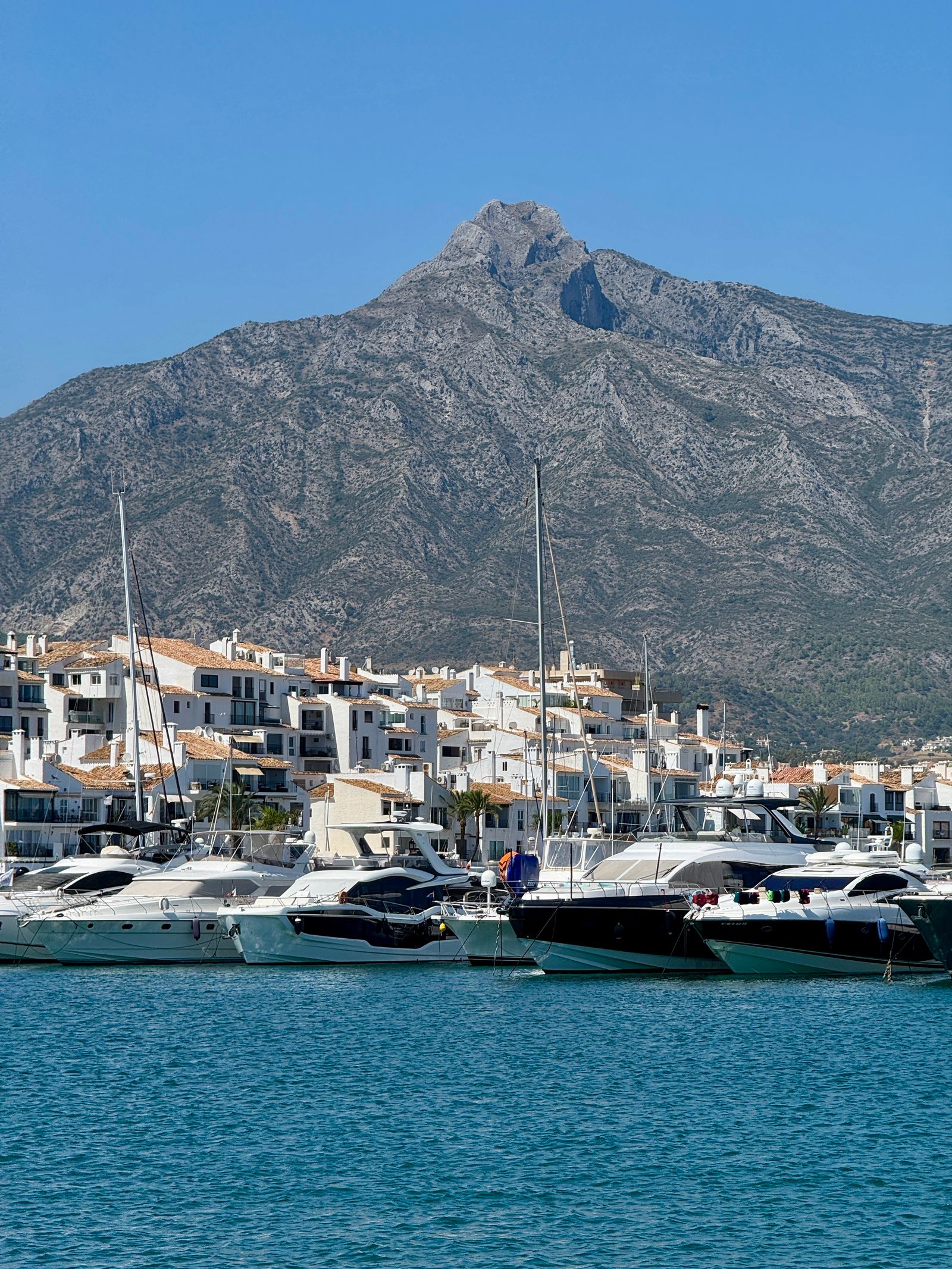
Puerto Banús is 6 kilometres west of Marbella - a purpose-built marina opened in 1970 by José Banús at a cost that the Spanish government's economic planners considered implausible and that the international jet set immediately validated. The marina has 915 berths, the boutiques on the quayside include every major luxury brand operating in Europe, and the restaurants running the length of the waterfront serve dinner at a pace and quality that the Costa del Sol's reputation for package tourism does not prepare you for. Walk the quay. Identify the largest yacht. Eat dinner at the water's edge.
Five Minutes From Puerto Banús's Superyachts, Marbella's Old Town Has Been Exactly as It Is Since the 15th Century. The Orange Tree Square at the Centre of It Predates Every Boat in the Marina by 500 Years.
The morning at the resort - spa, pool, and the specific Mediterranean rhythm of a breakfast that runs long enough for the day to feel unscheduled before it begins. The Marbella Old Town tapas and walking tour takes the afternoon: the Casco Antiguo (old town) is a maze of whitewashed alleys, bougainvillea-covered walls, and the Plaza de los Naranjos - the Orange Tree Square that has been the social centre of Marbella since it was paved in 1485, surrounded by the 16th-century Town Hall, an Arab fountain from the 10th century that has been running continuously since the Moorish city that preceded the current one, and the restaurant terraces that serve tapas in the shade of the orange trees at a pace that the plaza's history seems to mandate.
The optional sunset yacht cruise from Puerto Banús is the evening alternative to dinner ashore - the Costa del Sol coastline from the water at dusk, La Concha mountain behind Marbella lit by the setting sun, and the specific quality of Mediterranean evening light that Turner painted from further west along this coast in 1838 and still hasn't been adequately replicated by anyone with a camera.
Seville's Royal Alcázar Has Been the Residence of the Spanish Royal Family Since 1364 and Still Is. The Cathedral Next Door Is the Largest Gothic Building on Earth. Both Are in the Same Square. Andalusia Does Not Understate Its Credentials.
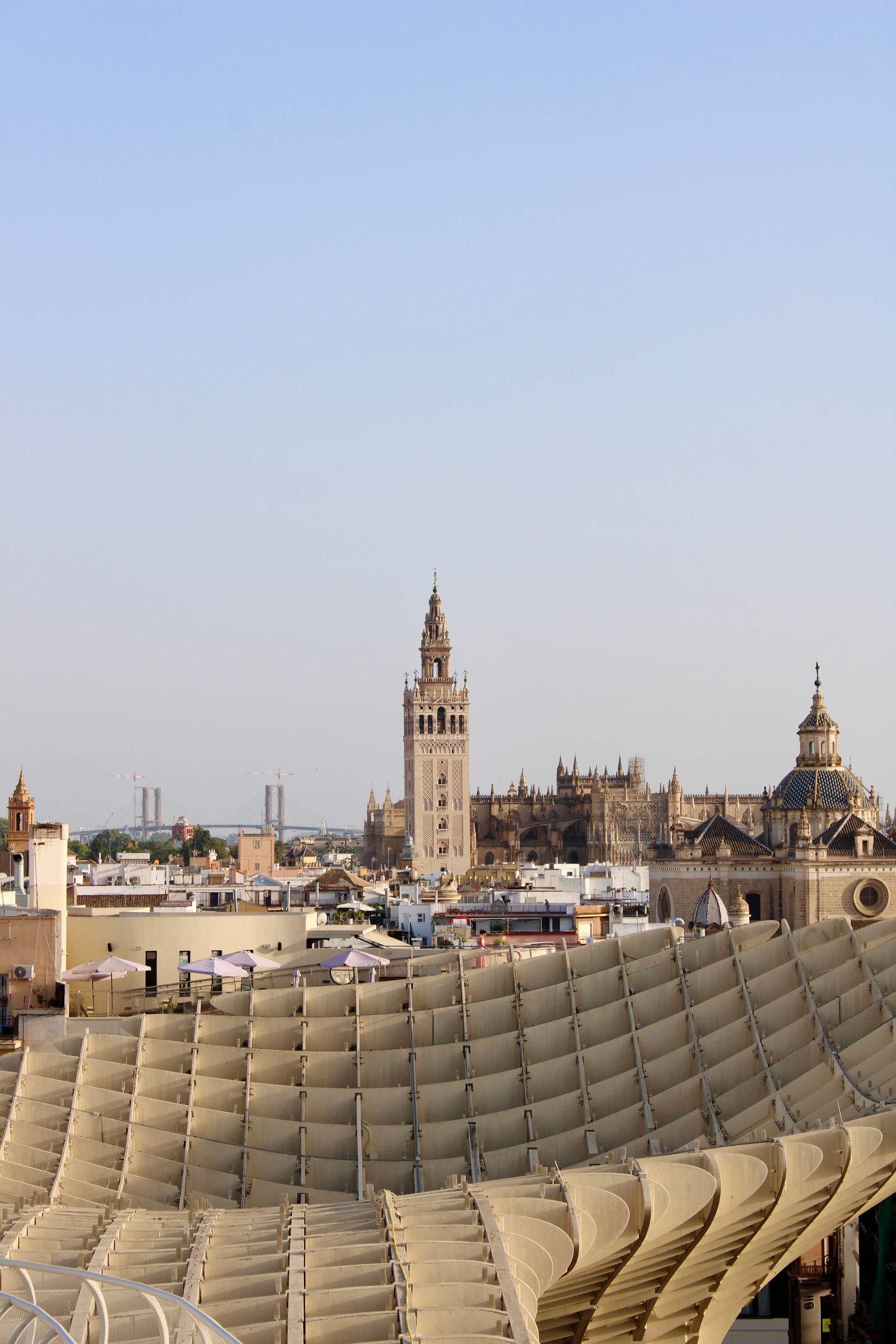
The private chauffeured drive from Marbella to Seville takes approximately 2.5 hours along the A-45 through the Andalusian interior - olive groves, cork oak dehesa, and the Sierra de las Nieves natural park before the highway descends to the Guadalquivir plain and Seville appears on the horizon with the Giralda tower identifiable from 10 kilometres out.
The Seville Cathedral, Giralda Tower, and Royal Alcázar priority tour covers three of the most significant buildings in the western world in a single morning. The Seville Cathedral - completed in 1506, the largest Gothic cathedral on earth by volume at 11,520 square metres - contains the tomb of Christopher Columbus (his remains were transferred here from Havana in 1898, carried by four gilt pallbearers representing the kingdoms of Castile, León, Aragón, and Navarre). The Royal Alcázar adjacent to the Cathedral has been the Spanish royal family's Seville residence since 1364 and remains in active royal use - the upper floors are closed when the king is in residence. The Moorish architecture, the gardens, and the succession of throne rooms that accumulated from the 10th century through the 20th make it the most layered palatial complex in Europe. The Barrio Santa Cruz - the former Jewish quarter - fills the afternoon with orange-tree-lined alleys, tapas bars, and the specific atmosphere of a neighbourhood that has been the most desirable address in Seville for 500 years and knows it.
Cádiz Was Founded by the Phoenicians in 1100 BC. It Has Been a Functioning City for 3,100 Years. The Cathedral in the Old Town Was Built on Top of the Mosque That Was Built on Top of the Temple That Was There Before Anyone Was Writing Things Down.
The private transfer from Marbella to Cádiz takes approximately 1.5 hours west along the coast. Cádiz is a city on a narrow peninsula jutting into the Atlantic - approached by a single causeway and surrounded by ocean on three sides, which made it the most defensible and therefore the most continuously occupied harbour site on the Iberian Peninsula for 31 centuries. The Phoenicians founded it in 1100 BC as Gadir, making it the oldest continuously inhabited city in western Europe and one of the oldest on earth.
The Cádiz Medieval Walking Tour covers the old town within the walls - the Cádiz Cathedral (construction began 1722, completed 1838 in a baroque-neoclassical hybrid that reflects the 116 years of changing architectural taste during its construction), the Torre Tavira watchtower from which the merchant city monitored its incoming fleet, and the La Caleta beach - the small beach between two 18th-century forts where the original Phoenician port once stood and where the Atlantic water is cold, clear, and indifferent to the 3,000 years of history it has been washing against. The seafood lunch by the bay is not optional - Cádiz produces the best fried fish (pescaíto frito) in Spain and Spain produces the best fried fish in the world. These are related facts.
Ronda Built a Town on Top of a Gorge and Then Built a Bridge Across It. The Bridge Took 42 Years to Complete. The Gorge Is 120 Metres Deep. The Town Has Been Looking Down at Both Since 1793 and Has Not Once Considered Moving to Flatter Ground.
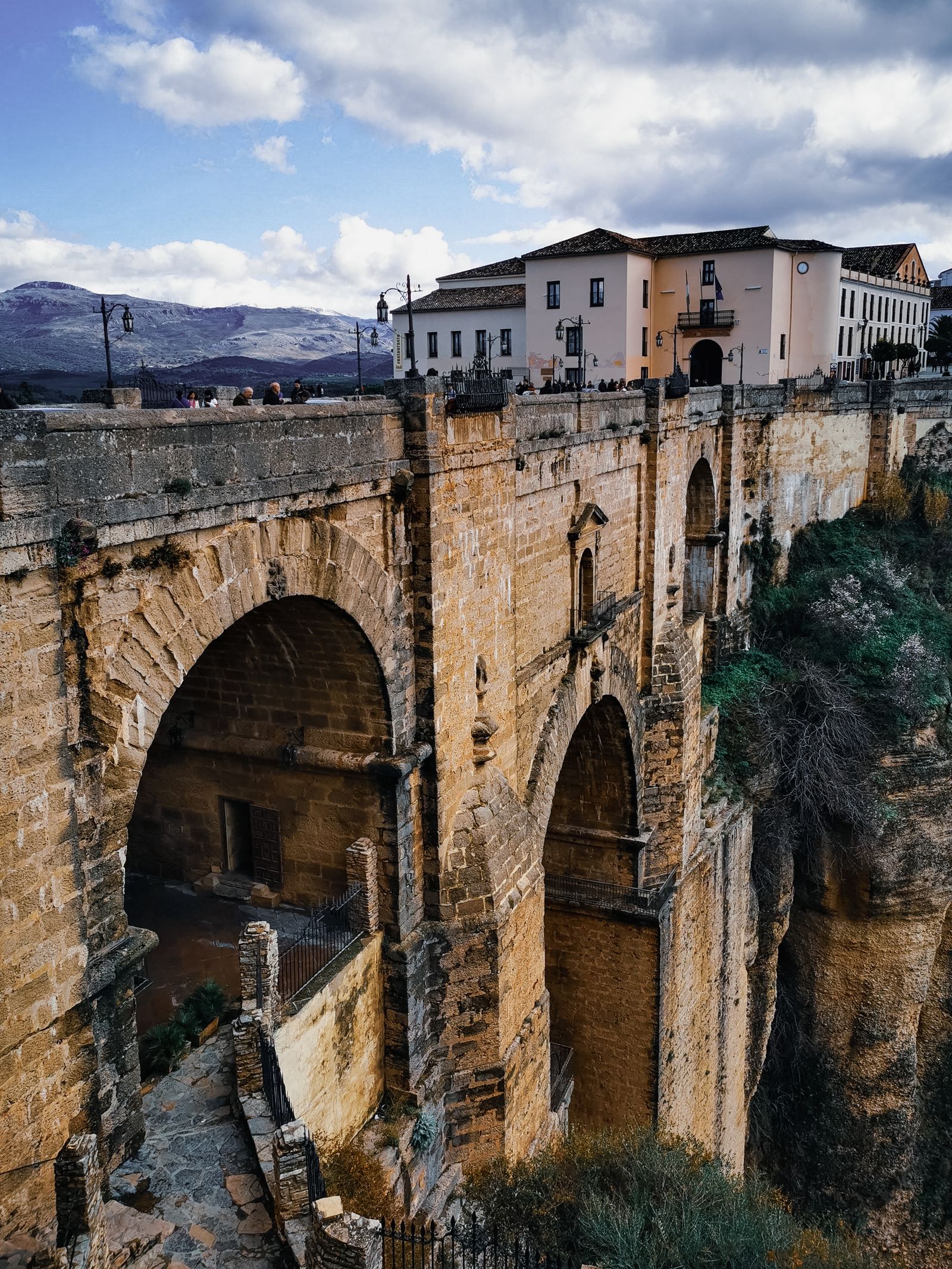
The drive from Marbella to Ronda takes approximately 75 minutes through the Serranía de Ronda - the mountain range that rises from the Costa del Sol coast to over 1,500 metres, with the road climbing through hairpin bends that deliver increasingly vertiginous views back toward the Mediterranean before Ronda appears on its plateau edge, the gorge invisible until you are standing at it.
The Puente Nuevo - the New Bridge, built between 1751 and 1793 to connect the old Moorish city on one side of the El Tajo gorge with the newer Spanish city on the other - is 120 metres above the Guadalevín river, 98 metres wide, and took 42 years to complete because the first attempt in 1741 collapsed after six years of construction, killing 50 workers. The chamber inside the central arch was used as a prison during the Spanish Civil War, a fact that Ernest Hemingway incorporated into For Whom the Bell Tolls with the gorge as the setting for the novel's most violent scene. The Plaza de Toros - Ronda's bullring, completed in 1785 and one of the oldest and most architecturally significant in Spain - is the second major site, whether you have any interest in bullfighting or not. The ring is 66 metres in diameter, has a capacity of 5,000, and produced the Romero dynasty of bullfighters who essentially codified the modern form of the corrida in the 18th century.
Spain Sends You Home Via the Same 45-Minute Coastal Drive It Used to Welcome You. The Mediterranean on the Right. The Mountains Behind It. Eight Days Is Never Quite Enough. It Never Is.
Private chauffeured transfer from the Eurostars Oasis Marbella to Málaga Costa del Sol Airport (AGP) - 45 minutes along the A-7 coast road. Check-in for international departure to India. Eight days across Barcelona and Andalusia is the correct minimum for Spain to reveal both of its essential characters: the Catalan northeast with its modernist genius and Mediterranean appetite, and the Moorish south with its 1,000 years of layered civilisation visible in every arch, every tile, and every city built on top of the city that was there before it. Neither register is the whole country. Together, they are the part most worth seeing first.