
A South Africa itinerary that only covers Cape Town is like reading the first chapter of a book and calling it done. Cape Town is extraordinary - Table Mountain, the Cape of Good Hope tour, Boulders Beach, the Bo-Kaap - but it is the opening act of a country that changes register completely as you move east along the Garden Route and north into the Lowveld bush.
This 12-day South Africa travel itinerary covers the country in its correct sequence: four days in Cape Town for the city, the peninsula, and the coastline. The Garden Route - Hermanus, Mossel Bay, Oudtshoorn, Knysna - for the stretch of South African landscape between the Overberg mountains and the Indian Ocean that has been called the most scenic coastal road in the world since before there were enough roads to compare it to. Then three days at Kruger, where the Africa of every childhood safari fantasy either meets or exceeds what you brought with you.
Every transfer is private. Every hotel is pre-selected. All activity links are live. June and July are optimal for safari: the dry season thins the bush, drives animals to water sources, and produces the clear mornings and cool nights that make the Kruger sunrise drives the best of the year.
Cape Town Lands Differently From Every Other City. You Come in Over the Mountain, Over the Two Oceans, Over a Peninsula That Looks Like a Geography Lesson and a Holiday Brochure Simultaneously.
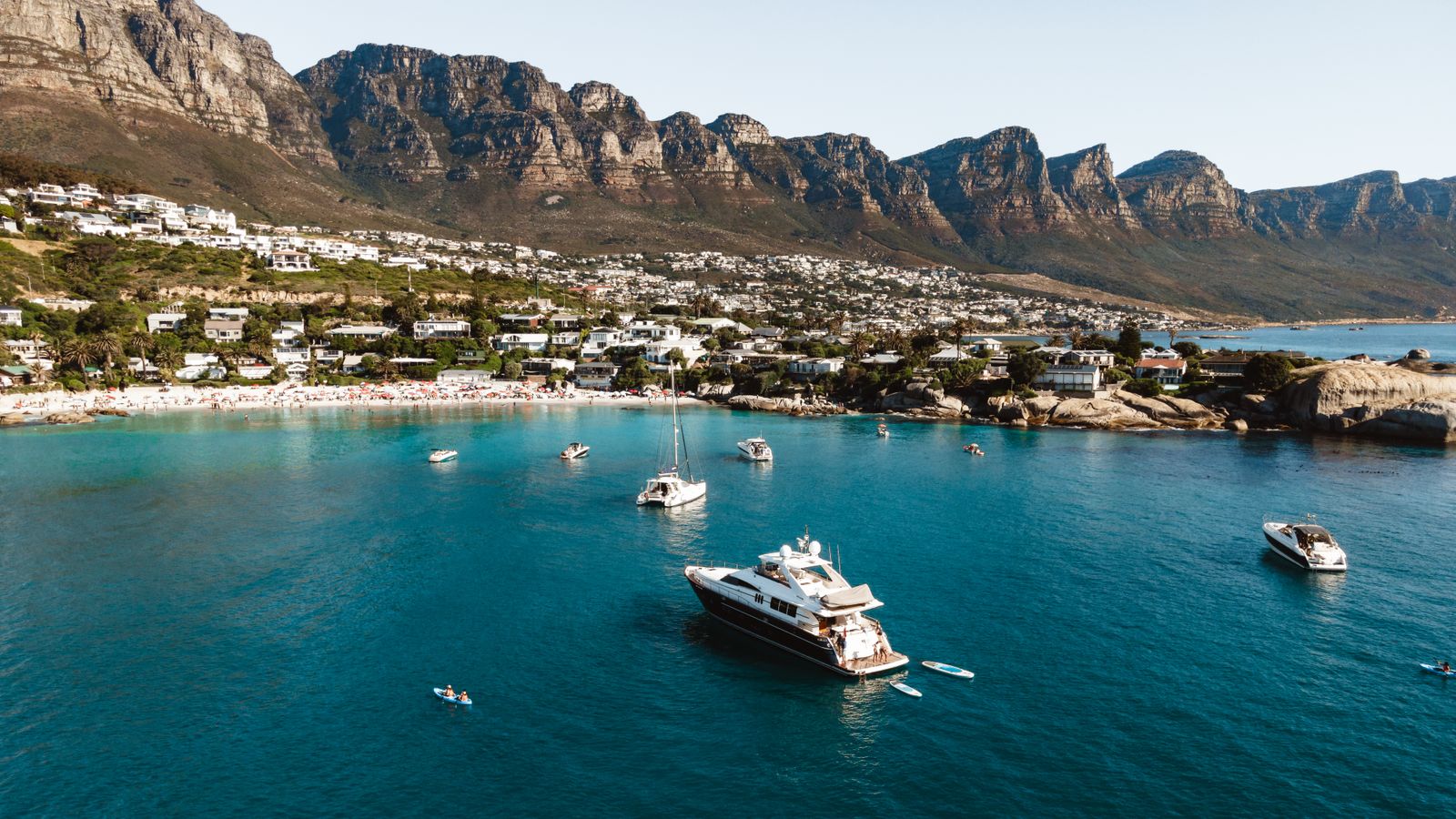
Cape Town International Airport is 20 kilometres from the city centre. The private transfer to the Pullman Cape Town City Centre takes 25–40 minutes depending on traffic. The Pullman is on Buitenkant Street in the central business district - walkable to the V&A Waterfront, the Bo-Kaap, the Company's Garden, and the Castle of Good Hope. Arrival day is rest and orientation. The city rewards a slow first evening: the V&A Waterfront after dark, the harbour lit against the mountain silhouette, a meal at one of the waterfront restaurants that serve South Africa's specific combination of Malay spice, Cape winelands produce, and Atlantic seafood.
Cape Town is the legislative capital of South Africa and the oldest city in the country - founded by the Dutch East India Company in 1652 as a supply station for VOC ships rounding the Cape. The Company's Garden at its centre was the original vegetable garden supplying those ships. The city's history is not straightforward and its present is not simple, but the physical fact of it - mountain, ocean, peninsula, working harbour, five distinct neighbourhoods within walking distance of each other - makes it one of the most immediately compelling cities to arrive in on earth.
Table Mountain Is a Flat-Topped Sandstone Block 1,086 Metres High With Its Own Permanent Cloud Formation. Cape Town Built a City Around Its Base and Never Stopped Looking Up at It. Neither Will You.
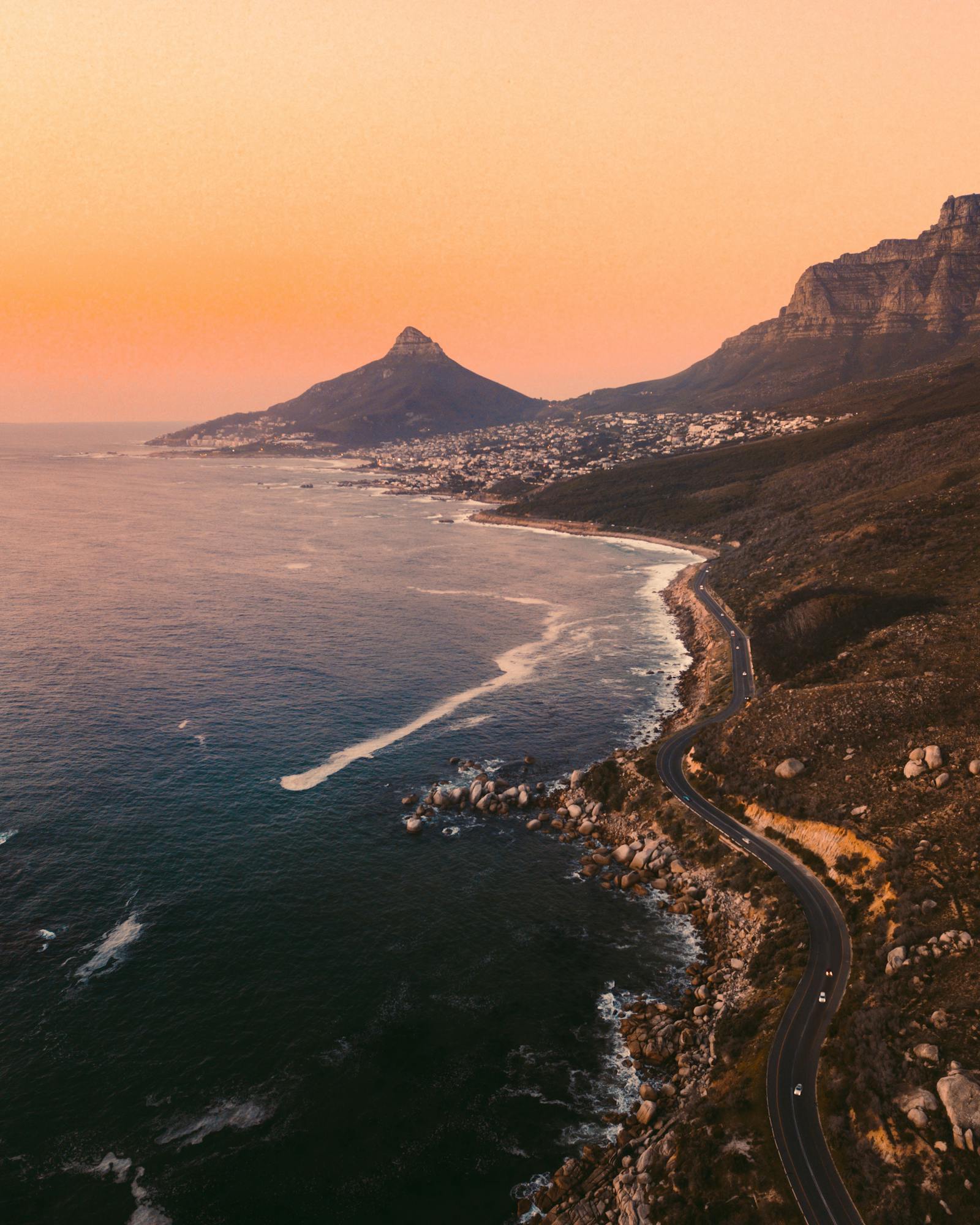
The Cape Town half-day city tour is structured to cover the city's distinct geographic and historic layers efficiently. Table Mountain by rotating aerial cableway - the cars rotate 360 degrees during the 5-minute ascent, delivering a full panorama of Cape Town, the Atlantic Seaboard, the Cape Peninsula, and on clear days the Hottentots Holland mountains 60 kilometres east. The summit plateau covers 3 square kilometres of fynbos - the unique Cape Floral Kingdom that contains more plant species per square metre than any other ecosystem on earth, with 2,285 plant species on Table Mountain alone, 70% of which occur nowhere else.
The Bo-Kaap is the Malay Quarter above the city centre - pastel-painted houses in cobalt, yellow, mint, and coral on steep cobblestone streets that the Cape Malay community has occupied since the 18th century, when their ancestors were brought from Indonesia, Malaysia, and East Africa as enslaved workers for the VOC. The community maintained their Islamic faith, their cooking traditions (Cape Malay cuisine - the bobotie, the koeksisters, the bredie - is one of South Africa's great culinary contributions), and their neighbourhood's visual identity through two centuries of colonial administration and decades of apartheid policy that threatened all three. The Castle of Good Hope - the oldest surviving colonial building in South Africa, completed in 1679 - and the Cape Town Diamond Museum round out the tour.
The Cape of Good Hope Is Not the Southernmost Point of Africa. It Just Feels Like the End of the World, Which Is Close Enough.
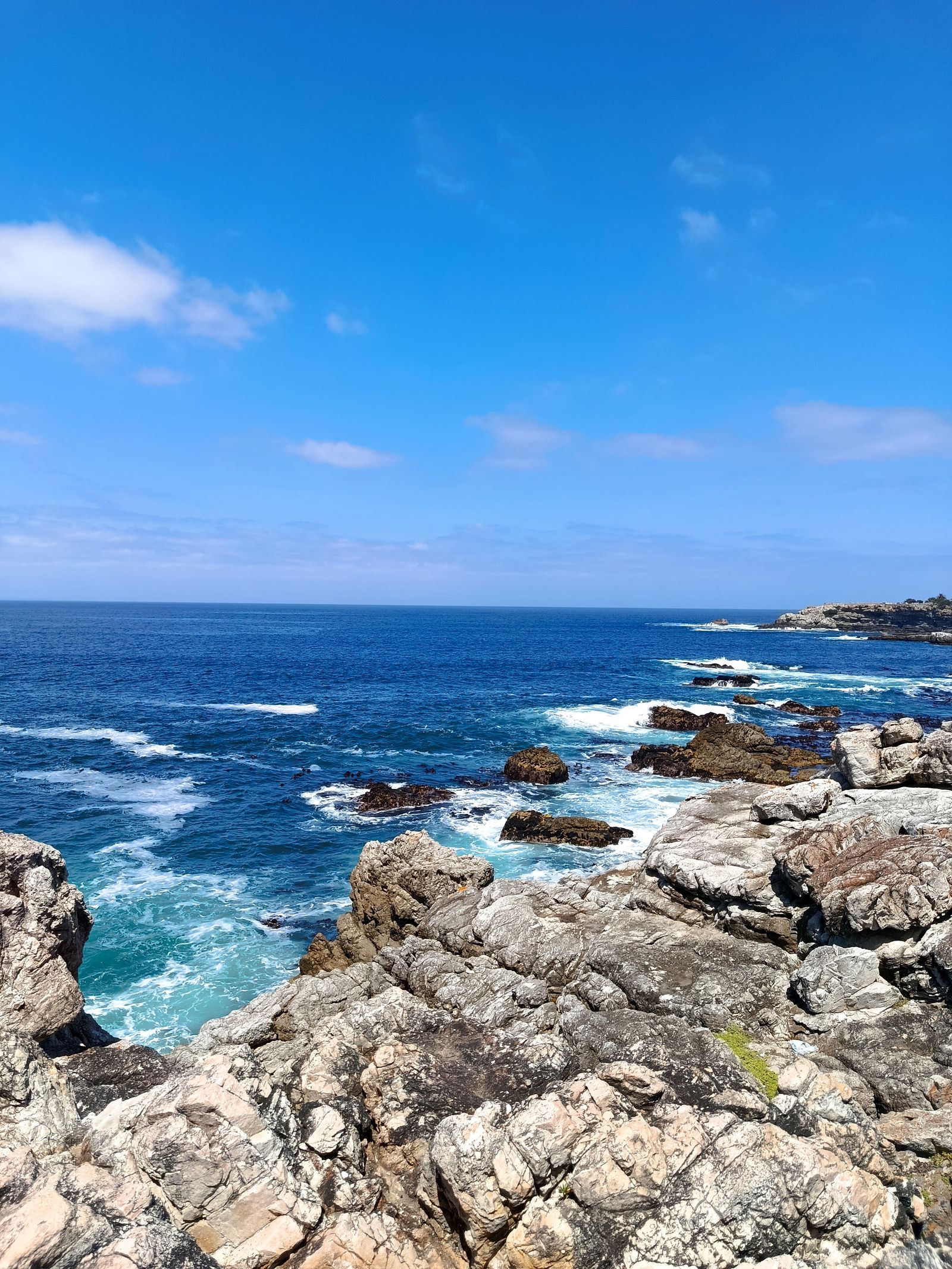
The Cape Peninsula full-day private tour covers the 70-kilometre spine of the peninsula from Cape Town to the Cape of Good Hope - the headland at the peninsula's southwestern tip where the Atlantic and Indian Ocean fronts meet in weather patterns that made the Cape the most feared section of the Age of Sail trade routes. The drive runs via Hout Bay for the boat trip to Duiker Island - home to approximately 75,000 Cape fur seals, which is a number that becomes comprehensible only when you are 10 metres from the island in a vessel surrounded by the specific smell that 75,000 seals produce in a confined space.
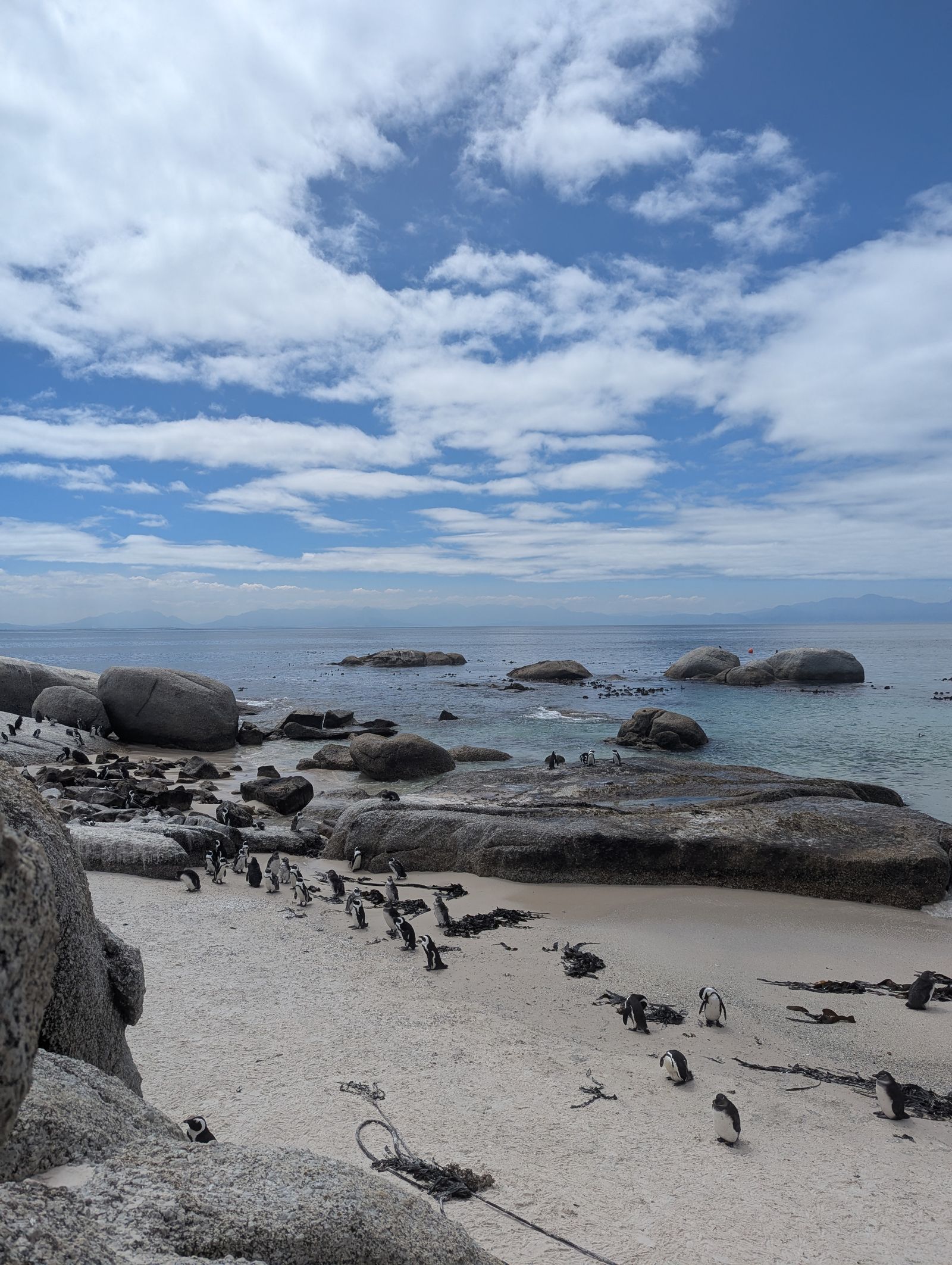
The Cape of Good Hope - reached by funicular from the parking area to the lighthouse at the cliff edge - sits 249 metres above sea level at the point where Bartolomeu Dias first rounded in 1488, naming it the Cape of Storms before King João II of Portugal renamed it the Cape of Good Hope to encourage further expeditions. The view from the lighthouse covers the open Atlantic in three directions. The Boulders Beach penguin colony at Simon's Town is the afternoon: 3,000 African penguins on a granite-boulder beach who have been breeding here since 1982 and who treat the boardwalk visitors with the specific indifference of animals that have never been given reason to fear humans. The African penguin is the only penguin species on the African continent and is classified as critically endangered - the Boulders colony is one of the few stable breeding populations remaining.
Cape Town at Your Own Pace Is the Version of the City That the Tour Itinerary Can't Give You. The V&A Waterfront, the Winelands, or Simply Sitting on Clifton Beach Watching the Atlantic - All Valid. All Cape Town.
The V&A Waterfront is the working harbour converted into Cape Town's retail and dining centre - the only working harbour-integrated shopping mall in the world where container ships and tankers operate 200 metres from the restaurant tables. The Two Oceans Aquarium in the Waterfront is the best aquarium in Africa and one of the best in the southern hemisphere - the kelp forest tank, the ragged-tooth shark exhibit, and the open ocean tank run 45 minutes of the most unhurried, unstructured time in Cape Town.
The Cape Winelands are 50 minutes from the city by car - Stellenbosch, Franschhoek, and Paarl produce wine in conditions (Mediterranean climate, granitic soils, mountain-sheltered valleys) that consistently draw comparisons with Burgundy and Napa. A half-day wine route with a tasting lunch at one of the estates covers the Winelands at their most accessible. June and July are the off-peak season for the Winelands - cooler, quieter, and considerably less crowded than the summer harvest months.
Southern Right Whales Come to Hermanus to Give Birth. They Choose This Bay Because the Water Temperature and the Shelter Are Correct. The Cliff Path That Overlooks Them Has Been Worn Smooth by Everyone Who Came to Watch.
The private transfer from Cape Town to Hermanus takes approximately 90 minutes along the N2 east with the Overberg mountains rising to the north and the Walker Bay coming into view as you descend toward the town. Hermanus is the self-styled whale-watching capital of the world - and the claim is defensible. The town sits on a cliff directly above a bay that Southern Right Whales use as a calving nursery between June and November, when females come to give birth and nurse their calves in water shallow enough to sleep on the surface. The Old Harbour cliff path runs 12 kilometres along the cliff edge at whale height - the whales breach, lunge-feed, and swim within 10–30 metres of the path. No boat required.
Hermanus is also one of the world's few towns with a full-time Whale Crier - a municipal employee who walks the town blowing a kelp horn to alert residents and visitors when whales are sighted and from which cliff section. The position has existed since 1992. It is, to be clear, an actual job with an annual salary, and it is the most specifically South African professional designation in the country.
Mossel Bay Is Where the Garden Route's Logic Becomes Clear. Ocean on One Side. Outeniqua Mountains on the Other. 300 Kilometres of Coastline Between Here and the Eastern Cape That Earned Its Name Before Tourism Existed.
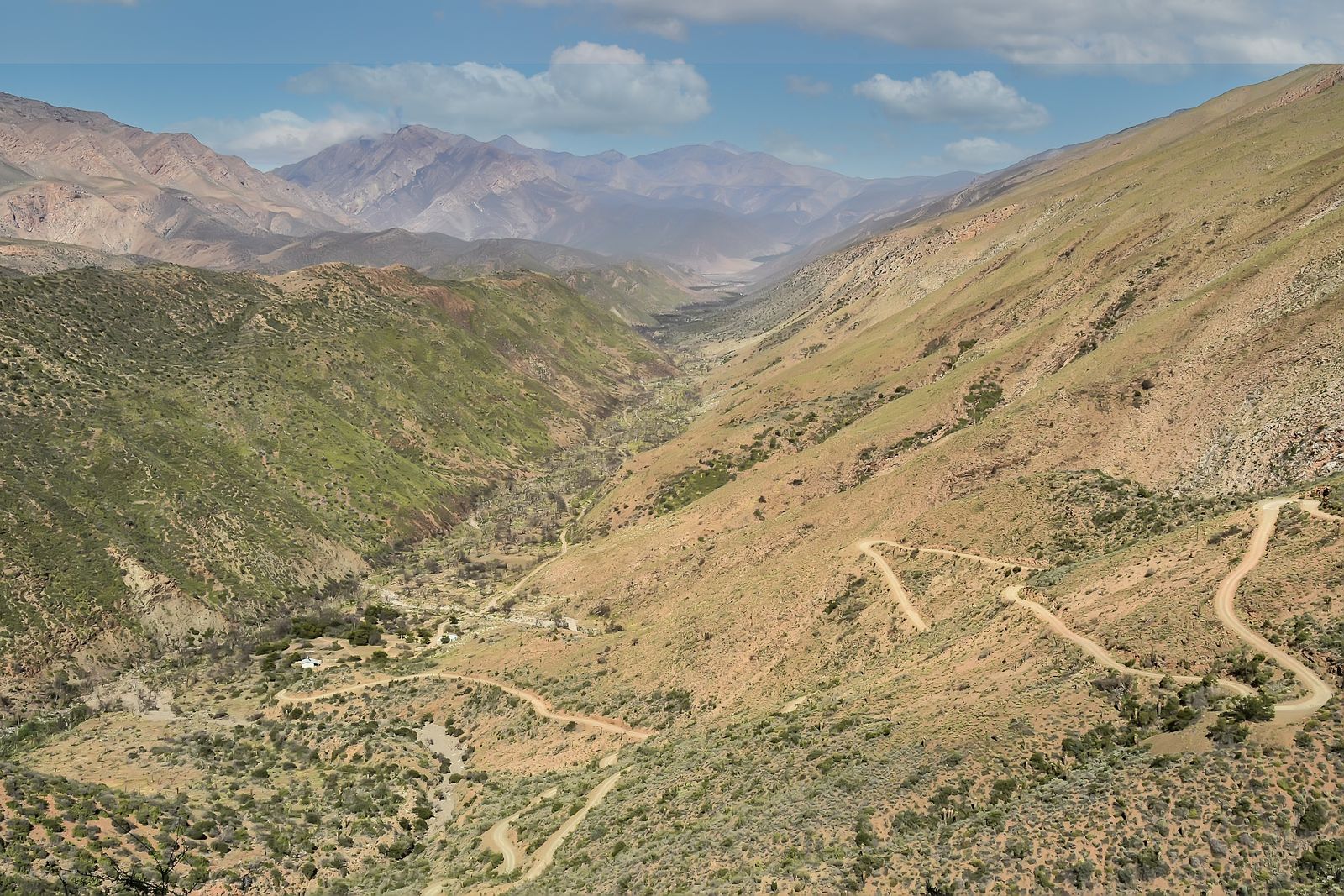
The private transfer from Hermanus to Mossel Bay runs along the coastal N2 highway - approximately 3 hours through the Overberg farmland, past the Breede River mouth, and along the Wilderness coast to Mossel Bay. The Garden Route - the 300-kilometre coastal corridor between Mossel Bay and Storms River - earns its name from the combination of indigenous forest, lagoons, beach, and mountain passes that makes it unlike any other stretch of South African coastline. Mossel Bay is the eastern anchor: a working fishing town with the best beach access on the Garden Route and the Dias Museum commemorating Bartolomeu Dias's 1488 landing here - the first European contact with this coast and the point that changed the trade route between Europe and Asia permanently.
The vehicle remains at disposal until 21h00, which allows an afternoon at the Mossel Bay beach and a sunset dinner at one of the Point restaurants overlooking the bay where the two ocean systems meet and the seal colony on Seal Island (different from Cape Town's) makes its noise audible from the shore.
Oudtshoorn Is the Ostrich Capital of the World. The Cango Caves Below the Swartberg Are 20 Million Years Old. These Are Two Facts That Make the Little Karoo One of the Most Underrated Day Trips on the Garden Route.
The transfer from Mossel Bay crosses the Outeniqua Pass into the Little Karoo - the semi-desert valley system between the Outeniqua and Swartberg mountain ranges that produces ostriches, wine, and one of the most spectacular cave systems in Africa. Oudtshoorn sits in the heart of this valley and has been the global centre of ostrich farming since the 1860s, when ostrich feathers were the most valuable commodity in Victorian fashion and the farm owners were building the 'feather palaces' - ornate sandstone mansions - that still line the town's approaches.
The Oudtshoorn private full-day tour covers all three pillars. The Cango Caves are a dolomite cave system 29 kilometres north of town - 4 kilometres of mapped chambers containing stalactites and stalagmites that have been forming since the Jurassic period and were first entered by recorded European visitors in 1780. The standard tour covers the Van Zyl Hall (107 metres long, 16 metres high) and Cleopatra's Needle - an 8-metre stalactite that has been growing for an estimated 150,000 years. The Cango Wildlife Ranch gives close-encounter access to big cats, cheetah, and crocodiles. The Safari Ostrich Farm tractor tour - which does include the option to ride an ostrich, which is either the highlight or the most alarming thing on the itinerary depending entirely on your relationship with very large, very fast birds - covers the full farm operation and the history of the industry that made Oudtshoorn wealthy in an era when feathers were currency.
The World's Highest Bungee Jump Is 216 Metres Above the Bloukrans River Gorge. Directly Downstream, the Tsitsikamma National Park Runs Blackwater Tubing Through the Same River. South Africa Offers Both Options and Considers Neither Unusual.
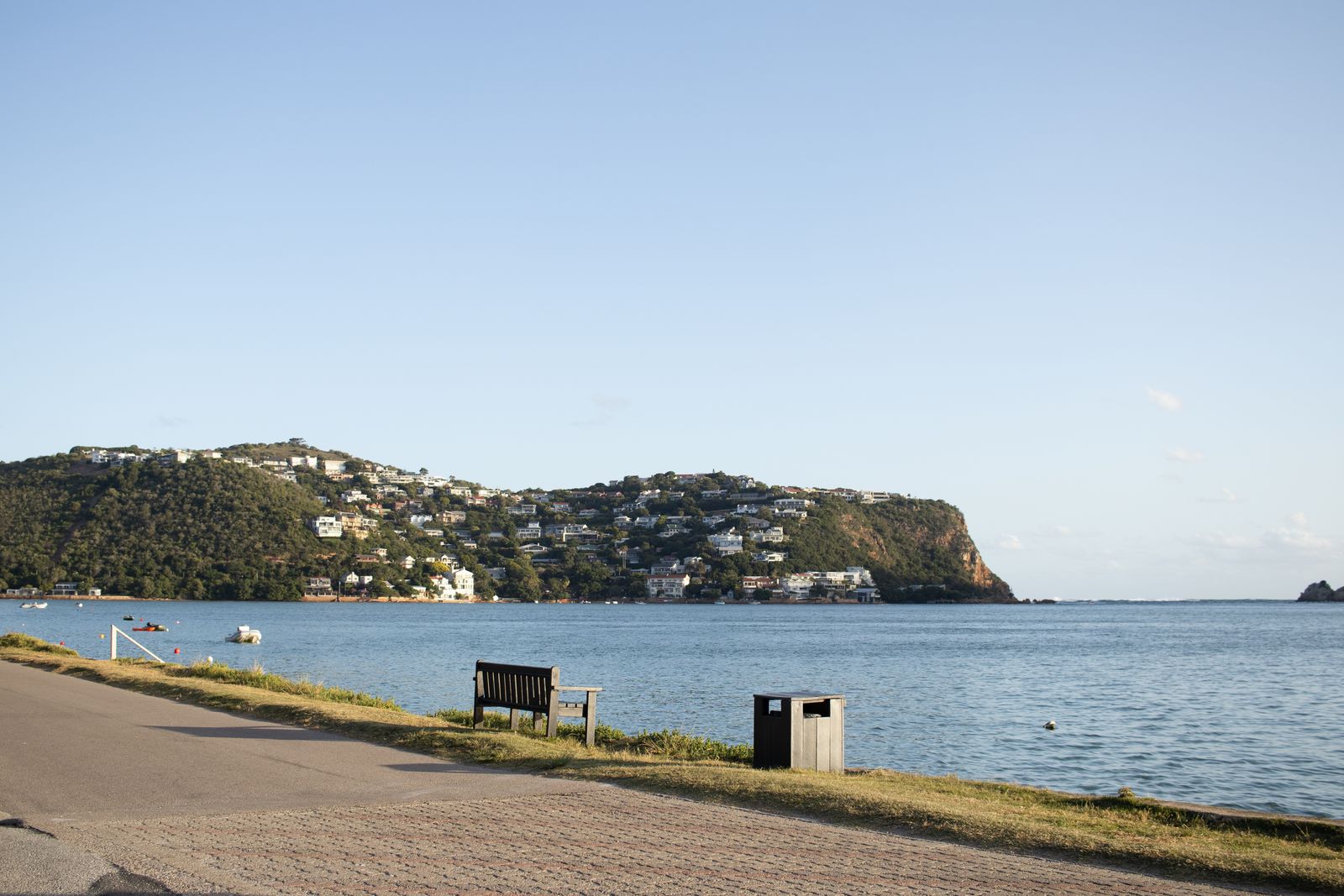
The day trip to Tsitsikamma National Park and Storms River Mouth runs east from Knysna along one of the most dramatic sections of the Garden Route. The Bloukrans Bridge en route is the structure that holds the world's highest commercial bungee jump record: 216 metres above the Bloukrans River gorge on an arch bridge that carries the N2 highway, with Face Adrenalin running the bungee operation from the bridge's underarch. The jump is optional (ZAR 1,690) and the viewing platform is free - both give you the gorge at its most vertiginous.
The Tsitsikamma Blackwater Tubing through Storms River is the opposite register: floating through the dark tannin-stained water of the Storms River gorge on inflatable tubes, through tunnels and rapids in a canyon surrounded by yellowwood forest - the same ancient forest that makes Tsitsikamma the most ecologically significant national park on the Garden Route. The Storms River Mouth itself is the point where the river meets the Indian Ocean in a gorge that the suspension bridge crosses 6 metres above the water - a 3-minute walk from the park reception and one of the most photographed views in South Africa.
The Garden Route Ends at George Airport. The Flight North to Johannesburg Covers 1,400 Kilometres of South Africa in 90 Minutes. The Lodge Near Kruger Has a Different Definition of Evening Entertainment.
Private transfer from Knysna to George Airport (GRJ) for the flight to Johannesburg O.R. Tambo International. Connecting transfer to the safari lodge near Kruger National Park - approximately 4 hours from Johannesburg by road to the southern Kruger area, or a connection flight to Kruger Mpumalanga International Airport (MQP) for a shorter transfer. The 3-day Kruger budget glamping safari includes lodge accommodation in the Kruger region, all game drives, and meals at the lodge.
An afternoon game drive is possible on Day 9 if the lodge arrival timing permits. The Kruger bush in late afternoon - the 4–6pm golden light window when predators begin moving toward waterholes and prey species come in to drink - is the most productive wildlife viewing time of the day. The open 4x4 vehicle and the ranger's ability to leave the road and approach animals at close range is the difference between a Kruger game drive and any other wildlife experience.
Two Full Days in the Bush. The Big Five Are Here. The Rangers Know Where to Find Them. The Only Requirement Is the Alarm Call at 05:00 and the Willingness to Sit Still in an Open Vehicle While a Lioness Decides Whether You Are Worth Her Attention.
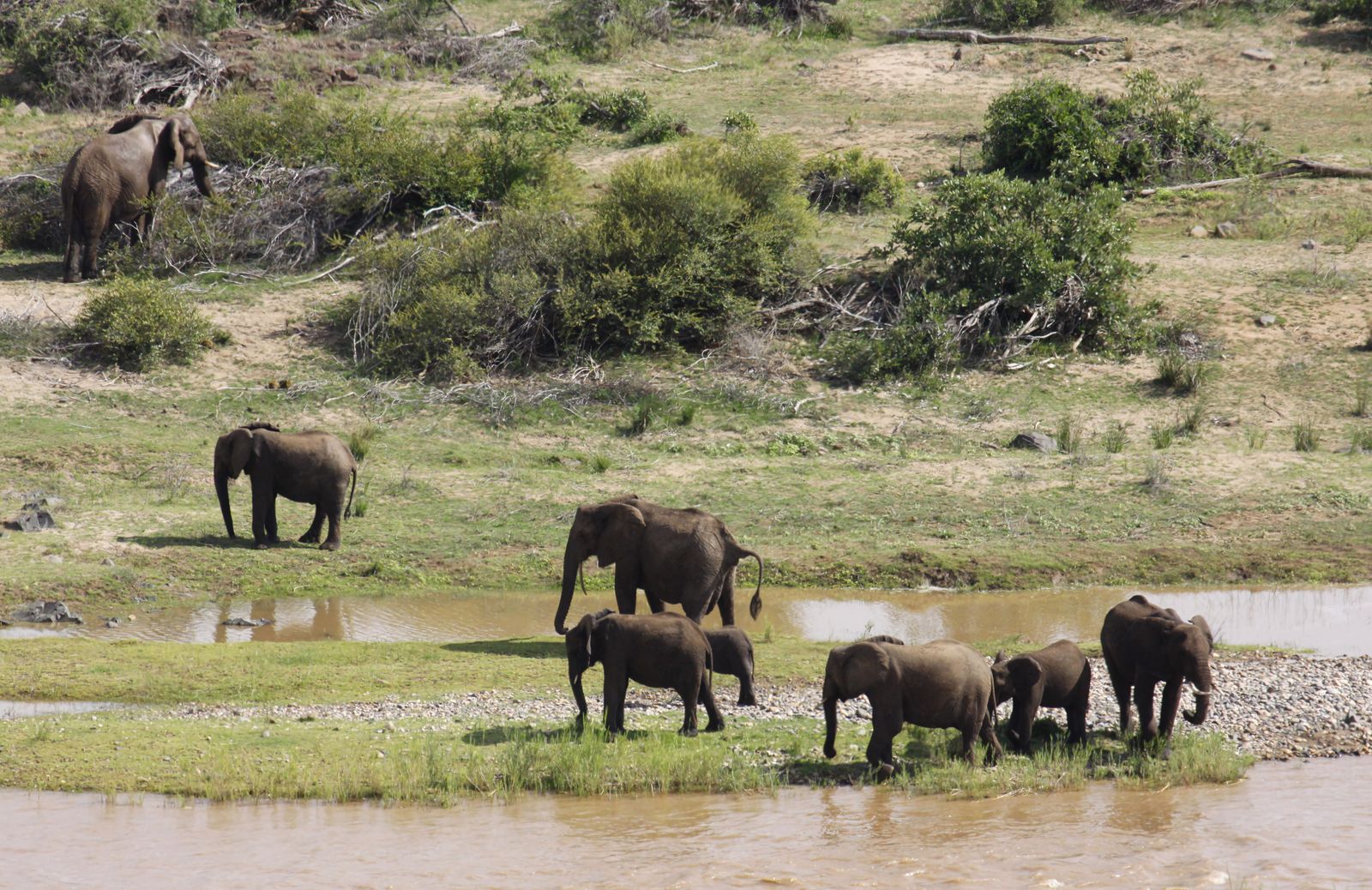
Two full days of game drives in the structure the lodge provides: morning drive departing before first light (05:00–05:30), covering the bush as the sun rises and the nocturnal predators are still active; late afternoon drive departing around 15:30, covering the golden light hours before sunset when animals gather at waterholes and the light for photography is at its best. The middle of the day is at the lodge - breakfast on return from the morning drive, lunch, rest, and the preparation for the afternoon session.
The Big Five - the term coined by 19th-century big-game hunters for the five most dangerous animals to hunt on foot: lion, leopard, elephant, Cape buffalo, and rhinoceros - are all present in the Kruger ecosystem. June and July sightings rates for all five in a single day are the highest of the year. The ranger reads the signs: lion pugmarks across the road at dawn, a leopard kill in an acacia tree visible from 200 metres, a crash of rhino at a waterhole at 16:00, a buffalo herd 500 strong moving through the mopane woodland. The specific sequence of what you see depends on the morning, the weather, and the luck that Kruger distributes without advance consultation. The standard is high. The variability is what makes it a game drive and not a zoo.
Dinner under the stars at the lodge - the Kruger night sky at zero light pollution, the sounds of the bush from the boma, the ranger's debrief of the day's sightings, and the awareness that the ecosystem outside the lodge perimeter is still fully operational in the dark - is the closing experience of two days that most travellers describe as the best of their South Africa itinerary and frequently of any trip they have ever taken.
The Last Morning Drive Is Still Worth the 05:00 Alarm. Then the Transfer to the Airport, the Flight Home, and the Specific Difficulty of Re-Explaining to People Who Weren't There What the Last Three Days in the Bush Actually Felt Like.
After breakfast, private transfer from the safari lodge to Kruger Mpumalanga International Airport (MQP) for the connecting flight to Johannesburg O.R. Tambo International and onward departure home. Twelve days across three completely distinct South African registers - urban, coastal, and wilderness - is the correct scope for a South Africa itinerary that doesn't reduce the country to a single headline experience and does justice to the fact that Cape Town, the Garden Route, and Kruger are each individually one of the best things their category contains anywhere in the world.