
A Norway itinerary 9 days long is the right length of time to avoid the most common mistake travellers make when booking Scandinavia: only covering one city. This Norway travel guide is built for all three distinct registers of the country. Norway's three distinct registers - Oslo's urban Scandinavian confidence, Tromsø's Arctic wilderness above the 69th parallel, and Bergen's fjord-city drama on the western coast - require all three stops to make sense of each other.
This 9-day Norway travel itinerary - your complete northern lights Norway trip included - is built in the sequence the geography demands: south to north to west. Oslo to acclimatise to the country. Tromsø to go deep into the Arctic - reindeer, Sami culture, cable cars in snow, and the Northern Lights. Bergen to close with the fjords in their most concentrated form - if you are asking about the best time to visit Norway fjords, the answer is any month on this itinerary - the Flåm Railway, and a Mostraumen cruise on the last full day before the overnight train back to Oslo airport.
Every booking link is live. Every hotel is pre-selected and central. The flights between cities are your own arrangement - the activities, transfers, and hotels are all embedded below.
Oslo Is the Calmest Capital in Europe. On Arrival Day, That Is Exactly What You Need It to Be.
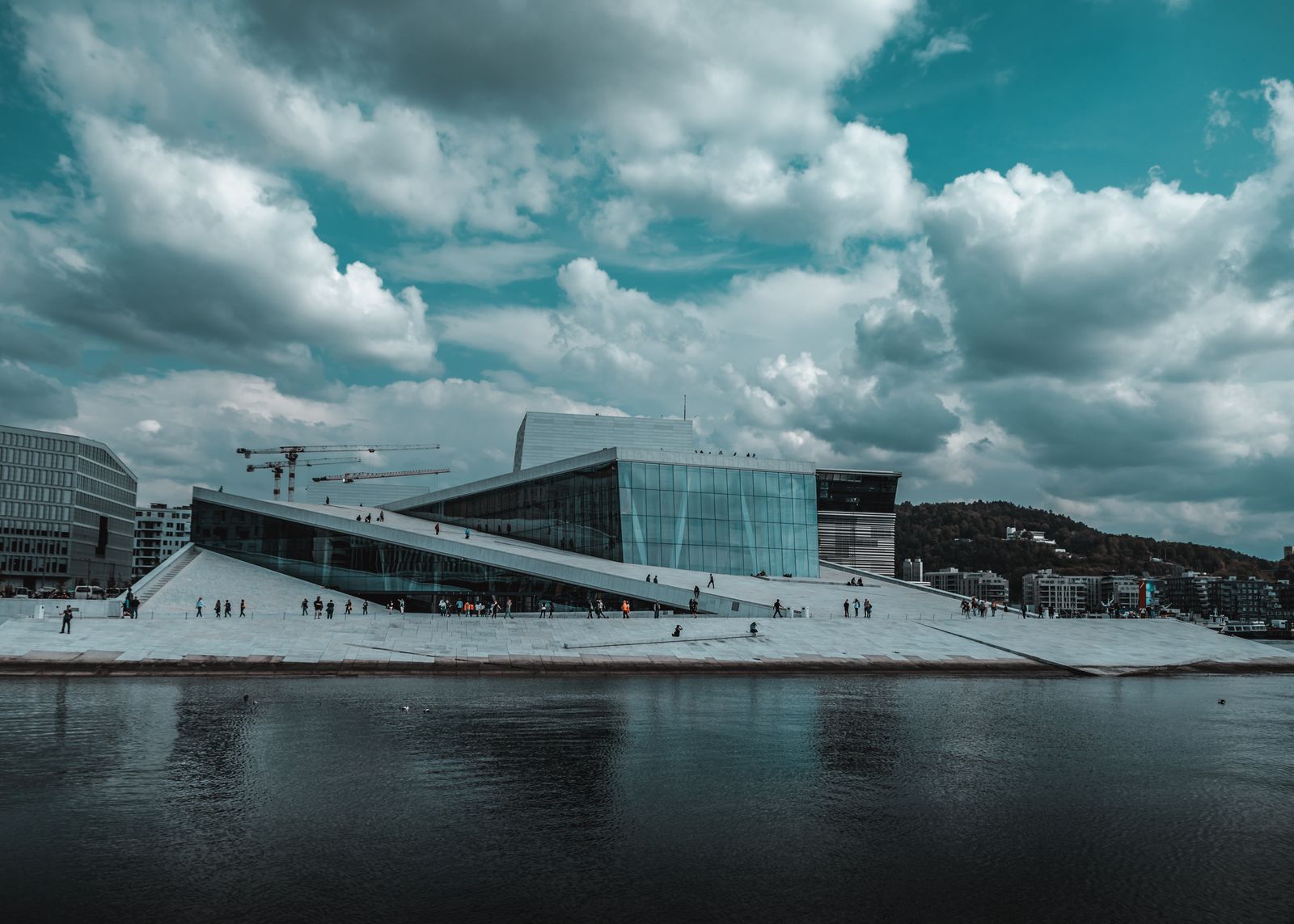
Oslo Gardermoen Airport connects to the city centre by the Flytoget airport express - 19 minutes, runs every 10 minutes, no booking required. The Clarion Hotel The Hub is adjacent to Oslo Central Station, which makes every subsequent departure and return in this itinerary straightforward. Check in, walk the Aker Brygge waterfront, eat dinner somewhere along the harbour, and rest. The city is walkable, quiet, and efficient. Tomorrow is on the water.
The Oslo Opera House is five minutes from the hotel by foot and deserves a look even on arrival day - not because of what is being performed inside, but because of what the building itself represents. The white marble roof slopes from the street level down to the Oslofjord so that anyone can walk to the top. No fence, no ticket, no barriers. The view from the roof covers the fjord, the new Bjørvika district, and the hills above the city. It is the most accessible landmark in Norway and the least photographed from its best angle.
Clarion Hotel The Hub is a 3-minute walk from the station exit.
The Oslofjord by Sailing Ship at Dawn. The Entire City on a Bus That Stops at Every Monument Worth Stopping At. Oslo in One Day, Done Properly.
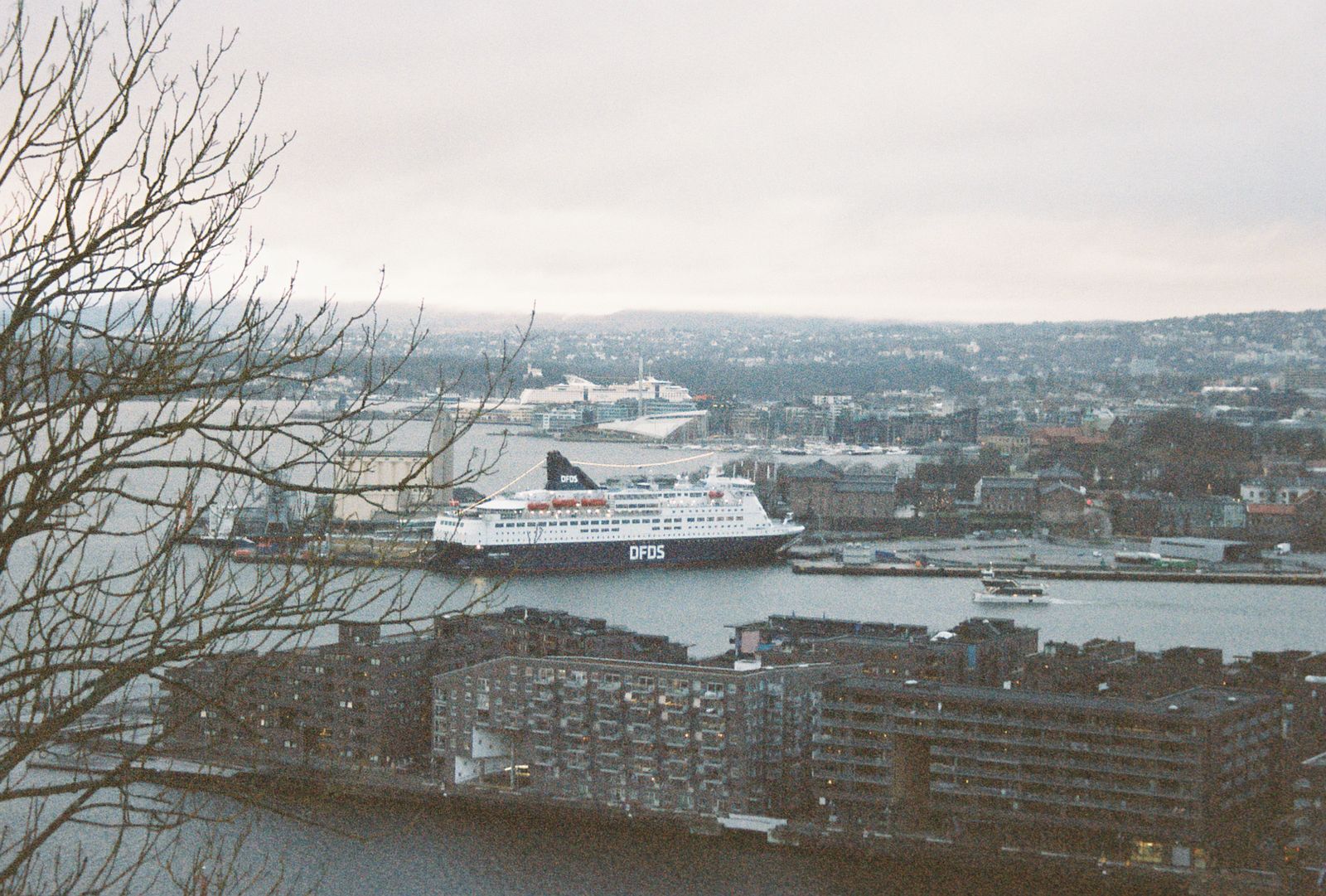
The 2-Hour Oslo Fjord Sightseeing Cruise by Sailing Ship is the correct way to understand Oslo's relationship with the water that defines it. The Oslofjord is 100 kilometres long, reaches depths of 613 metres, and contains 40 inhabited islands accessible only by boat. The cruise passes the Bygdøy peninsula - home to the Viking Ship Museum and the Kon-Tiki Museum - the Akershus Fortress where the Norwegian royal family's history for 700 years is embedded in the stone, and the Aker Brygge waterfront that was a working shipyard until 1980 and is now Oslo's most expensive restaurant and residential district.
The Hop-On Hop-Off bus runs the afternoon. Key stops: the Vigeland Sculpture Park - 212 sculptures in bronze, granite, and cast iron by the same artist across 32 acres, free to enter, permanently installed, and one of the most unusual public spaces in any European capital. The Royal Palace (exterior only, changing of the guard at 13:30). The Viking Ship Museum if you didn't reach it from the cruise. The National Gallery where Edvard Munch's original 'The Scream' hangs in a room that is smaller than most people expect and more disturbing in person than any reproduction suggests.
The Flight North Crosses the Arctic Circle at 69°N. The Reindeer Herd Waiting at the Other End Has Been Here Since Before Norway Was a Country.
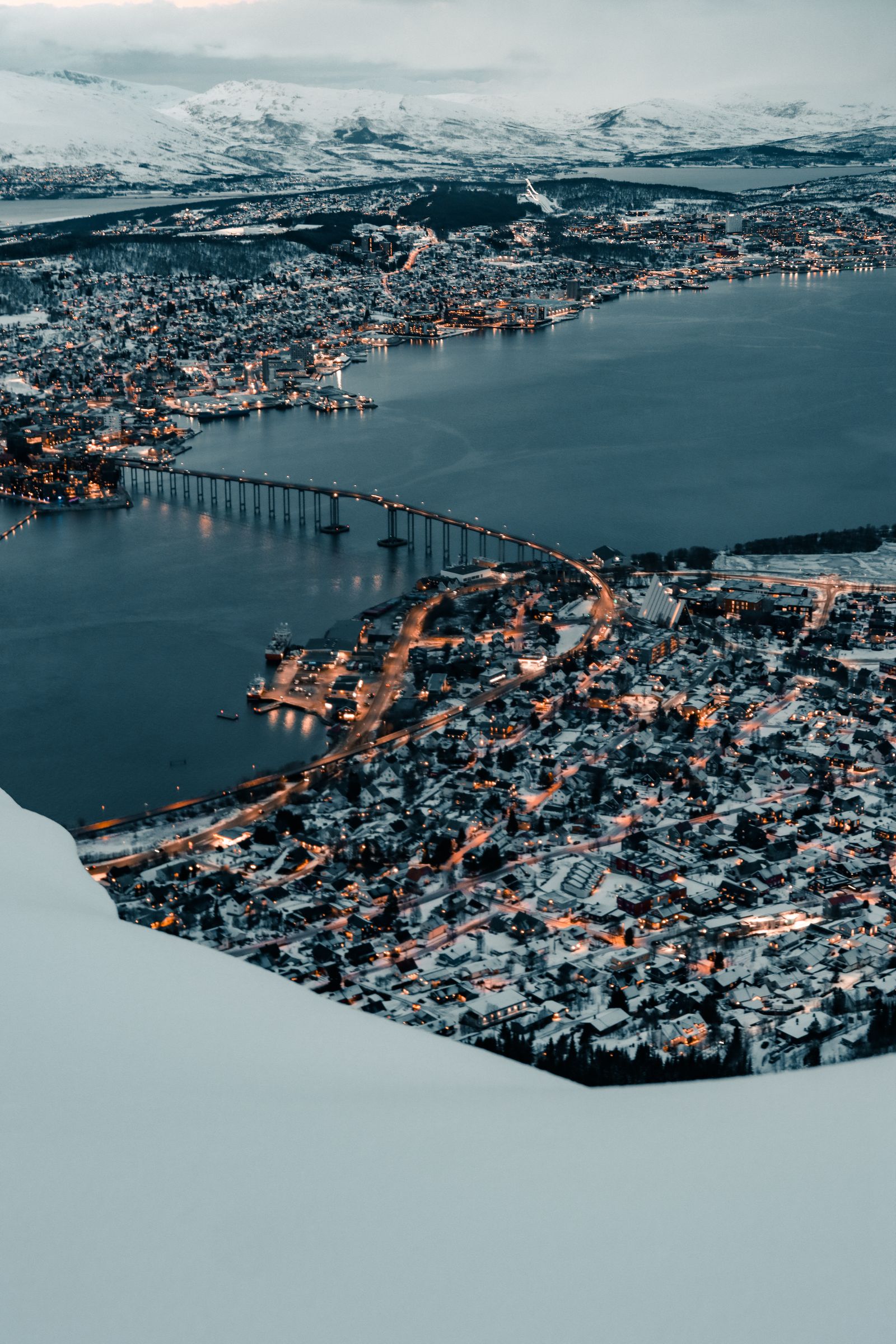
Tromsø sits at 69°38'N - further north than most of Alaska, further north than any other city its size on earth. The flight from Oslo takes 1 hour 40 minutes and crosses the Arctic Circle somewhere over the Norwegian interior. When you land, the temperature shift is immediate and the daylight situation in winter is absolute: polar night means the sun does not rise above the horizon from late November to mid-January. The city operates under blue dusk for a few hours midday. The rest is darkness, which is, for the Northern Lights, ideal.
The afternoon Reindeer Visit and Sami Culture experience with lunch takes you to a Sami camp outside the city where a reindeer herd is maintained in traditional conditions. The Sami are the indigenous people of northern Scandinavia - their reindeer herding culture predates the Norwegian state by several thousand years and operates on a seasonal migration system that modern GPS has mapped but not replaced. You feed the reindeer, learn the system of herding that the Sami use across three countries, eat a traditional lunch inside a lavvu (the Sami version of a tipi, heated by open fire), and get a contextual understanding of the Arctic that no city tour provides.
421 Metres Up by Cable Car to See the City. Then - If the Sky Cooperates - the Aurora Fills the Air Above You and the City Disappears Below.
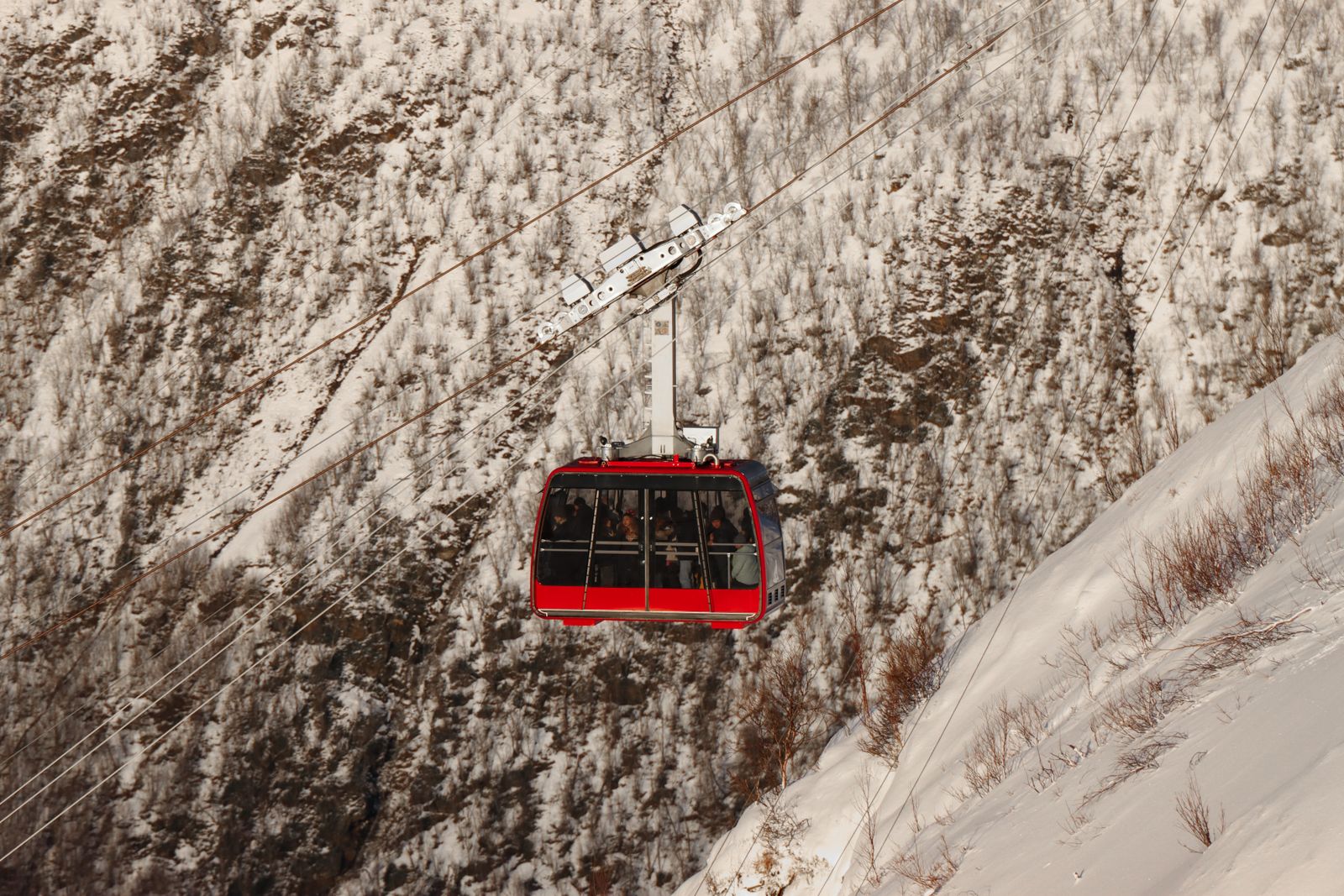
The Fjellheisen Cable Car ascends 421 metres from the city edge to the Storsteinen plateau in under 3 minutes. The view from the top covers the Tromsø island, the surrounding fjord system, the Lyngen Alps to the east, and - on clear days - as far as the Lofoten archipelago 200 kilometres south. In winter, at −15°C, with the city lights below and the sky above, it is the correct elevated position for understanding what the Arctic landscape actually contains.
The Northern Lights Cable Car Excursion runs in the evening and combines the cable car ascent with a guided Aurora hunt from the plateau. Tromsø sits inside the Aurora Oval - the band of maximum Aurora activity that circles the magnetic pole - which makes it one of the three or four best places on earth for Northern Lights viewing. The excursion guide monitors the KP index and cloud cover forecasts in real time. When the sky opens and the Aurora appears from 421 metres altitude with no light pollution and the fjord reflecting the colours below, the specific visual effect is something that every photograph of it fails to prepare you for. The colours are faster, more vertical, and more violent than the still images suggest.
The Arctic Wilderness on Snowshoes Is Not Exercise. It Is the Closest You Will Get to Understanding Why the Sami Never Left.
The Tromsø Winter Snowshoeing in the Wilderness tour takes you into the Arctic forest and mountain terrain outside the city on snowshoes - the wide-frame attachments that distribute your weight across the snow surface and allow movement through terrain that would be impassable on foot. The guide leads the route, adjusting for snow conditions and group fitness. The terrain covers birch forest, frozen lake surfaces, and open mountain plateau with views of the surrounding fjord system.
What the snowshoe hike provides that no other activity in this itinerary does is silence. Not the relative quiet of the cable car platform or the Sami camp - but the total absence of mechanical sound that the Arctic wilderness delivers when you are 4 kilometres from the nearest road, in 60 centimetres of snow, with the only sound being your own breathing and the occasional crack of ice settling under a frozen lake. The guide stops the group at specific viewpoints and points south toward the Tromsø city lights, visible from the plateau as a faint orange glow at the fjord edge. The comparison between that glow and the darkness surrounding it is the most efficient description of what the Arctic actually contains.
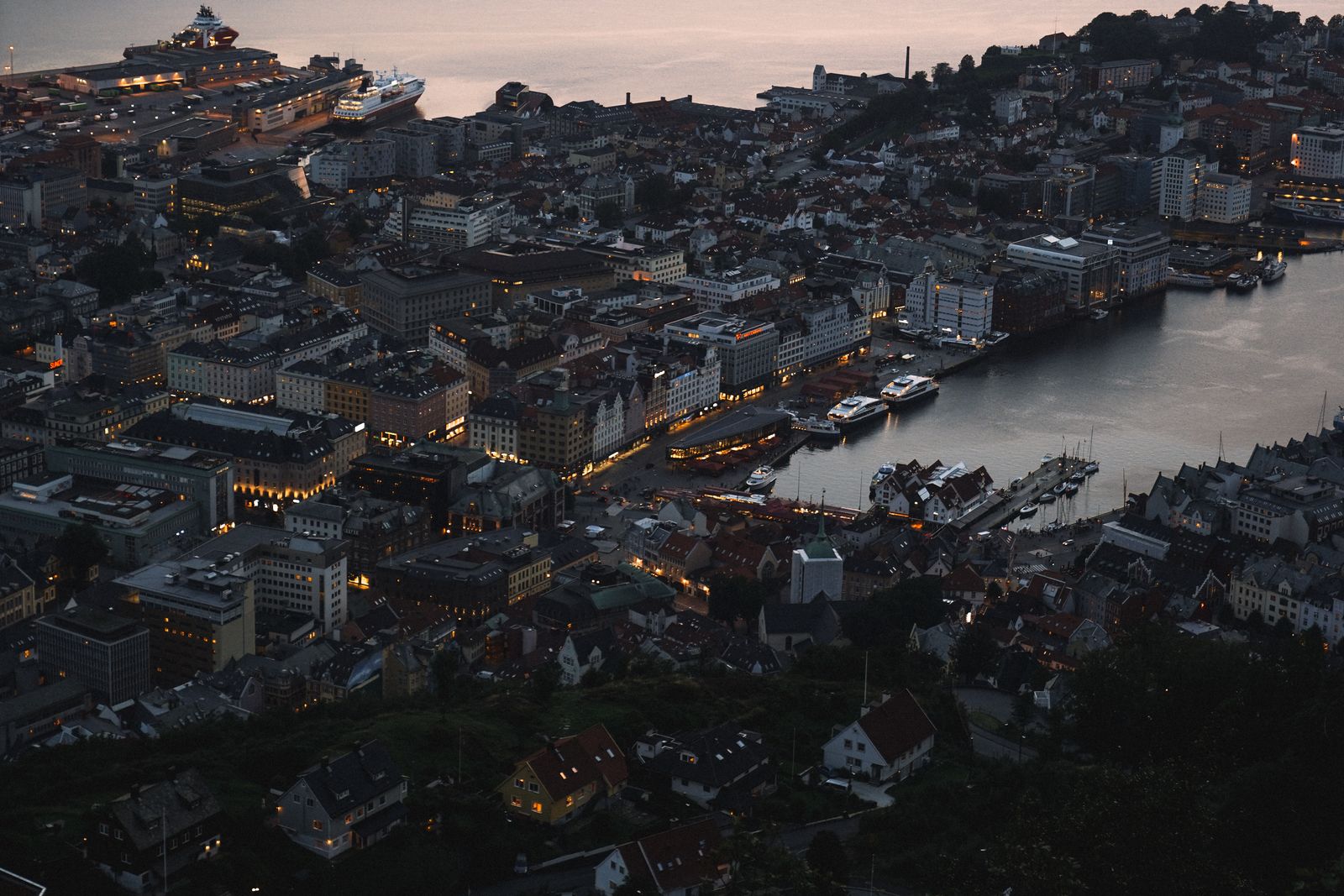
Bergen Has Seven Mountains, One Fjord at Its Front Door, and the Most Rain of Any City in Northern Europe. It Is Also One of the Most Beautiful Cities You Will See on This Trip.
Bergen was the most important trading city in medieval Scandinavia - the Hanseatic League used it as their northern European headquarters from the 14th to the 18th century, which is why the Bryggen wharf still has its original German merchant warehouses standing in a row along the waterfront, painted in ochre, red, and mustard, leaning slightly toward each other as their foundations settle into the centuries. They are UNESCO-listed. They currently house restaurants, craft shops, and bars. The contradiction is very Bergen.
The flight from Tromsø takes approximately 1 hour 50 minutes. The Radisson Blu Royal Hotel Bergen is in the city centre, 5 minutes' walk from the Bryggen wharf and the Fish Market. Day 6 is arrival and rest - the next two days are the most activity-dense of the entire itinerary and require a full night's sleep before they begin. Walk the Bryggen in the evening. Eat at the Fish Market. Go to bed early.
Transfer: Bergen Airport → Radisson Blu Royal Hotel · Pre-booked vehicle included
A Viking Village at the Fjord Edge. The World's Most Scenic Railway Through a Valley the Ice Age Carved. Then a Fjord Cruise That Silences Every Conversation Aboard.
The Bergen Viking Village, Nærøyfjord Cruise and Flåm Railway guided tour is the full-day anchor of this Norway itinerary and covers three distinct experiences in a sequence that builds on itself. The Viking Village at Gudvangen sits at the entrance to the Nærøyfjord - a reconstruction of a Norse settlement from the 9th century, with working blacksmiths, food demonstrations, and a longhouse that gives the Viking Age a physical scale that the museum versions cannot replicate. The longhouse is not a simulation. It is the correct size, with the correct smell of woodsmoke, and the correct weight of the dark interior that 800 AD Norse people actually lived in.
The Nærøyfjord cruise follows from Gudvangen: 18 kilometres through the narrowest UNESCO-listed fjord in the world, with walls that rise 1,400 metres on both sides and close to 250 metres at the tightest point. The ferry moves slowly. The waterfalls that come off the cliff faces in spring are frozen in winter, hanging as ice columns from the rock. Farms that can only be reached by boat are visible on the cliff ledges - families who have farmed those positions since the medieval period, receiving supplies and mail by the same fjord that the tourists now photograph from below.
The Flåm Railway closes the day: 20 kilometres of track from the fjordside station at Flåm to Myrdal at 866 metres altitude, through 20 tunnels, past the Kjosfossen waterfall (one of the largest in Norway, with a viewing stop built into the railway schedule), with a gradient that required 10 years to engineer and remains one of the steepest standard-gauge railways in the world. The journey takes 55 minutes. The scenery operates at a level that makes conversation difficult to sustain.
One Last Fjord. Then the Night Train South Carries You Back Through the Norwegian Interior While the Country You've Spent Nine Days In Passes Dark Outside the Window.
Check out of the Radisson Blu in the morning and leave luggage at the lobby - the train departs in the evening and the full day belongs to the Mostraumen Fjord Cruise. The Mostraumen is the narrowest point of the Osterfjord, 40 kilometres north of Bergen, where the tidal current creates white-water conditions strong enough to be heard before they are seen. The cruise covers the fjord system north of Bergen - quieter and less visited than the Nærøyfjord, with the same geological scale and a local guide who covers the fishing communities, the industrial history of the fjord towns, and the ecological specifics of a tidal narrows that has been reshaping the coastline since the last ice age.
The Bergen–Oslo night train departs in the evening and arrives at Oslo Central Station early the following morning - in time to connect directly to international departures at Gardermoen. The journey crosses the Hardangervidda plateau, the highest mountain railway in northern Europe, through terrain that is impassable by road in winter. The sleeping berths are booked in advance. The plateau at night, in snow, from a train berth window, is the correct final image of a Norway travel itinerary that has moved from fjord to Arctic Circle and back again in nine days.
The Train Arrives at Oslo Central. The Flytoget Leaves Every 10 Minutes. The Flight Home Takes Off Over a Fjord You Have Now Seen From the Water, From a Cable Car, and From a Sailing Ship.
Arrival at Oslo Central Station from the Bergen night train. Direct Flytoget connection to Gardermoen Airport - 19 minutes, departures every 10 minutes, no pre-booking required. Nine days across three Norwegian registers is the correct amount of time to understand that Norway is not one country in the way most countries are one country. It is a coastline, an Arctic wilderness, and a fjord system that have each produced a different kind of human settlement, a different relationship with winter, and a different answer to the question of what it means to live in a landscape that is categorically indifferent to human comfort and categorically extraordinary in its physical form.