
New Zealand is the problem destination for people who like to specialise.
If the preference is pure landscape, New Zealand has it - fjords, glaciers, volcanic plateaus, turquoise glacial lakes, and a mountain range running the entire length of the South Island that the Māori called the backbone of the fish. If the preference is adventure, New Zealand invented modern bungee jumping, holds the world record for the highest swing, and operates a skydive over a lake that sits inside a volcanic crater. If the preference is culture and film - Hobbiton exists. The movie set is permanent. The Green Dragon Inn serves beer.
The challenge is not finding things to do in New Zealand. The challenge is building an itinerary that gives each experience the space it deserves without compressing 12 days of genuinely extraordinary geography into a checklist.
This New Zealand self drive itinerary solves that challenge through a single principle: every day earns what comes next. The glowworm caves before the hot springs. The helicopter snow landing before the Nevis Swing. Milford Sound before the solitude of Lake Tekapo. New Zealand in the sequence that makes it land at full force.
This itinerary was built by someone who has counted the kilometres.
192 Metres Above a City Built on 53 Volcanoes. The Trip Starts Looking Down.
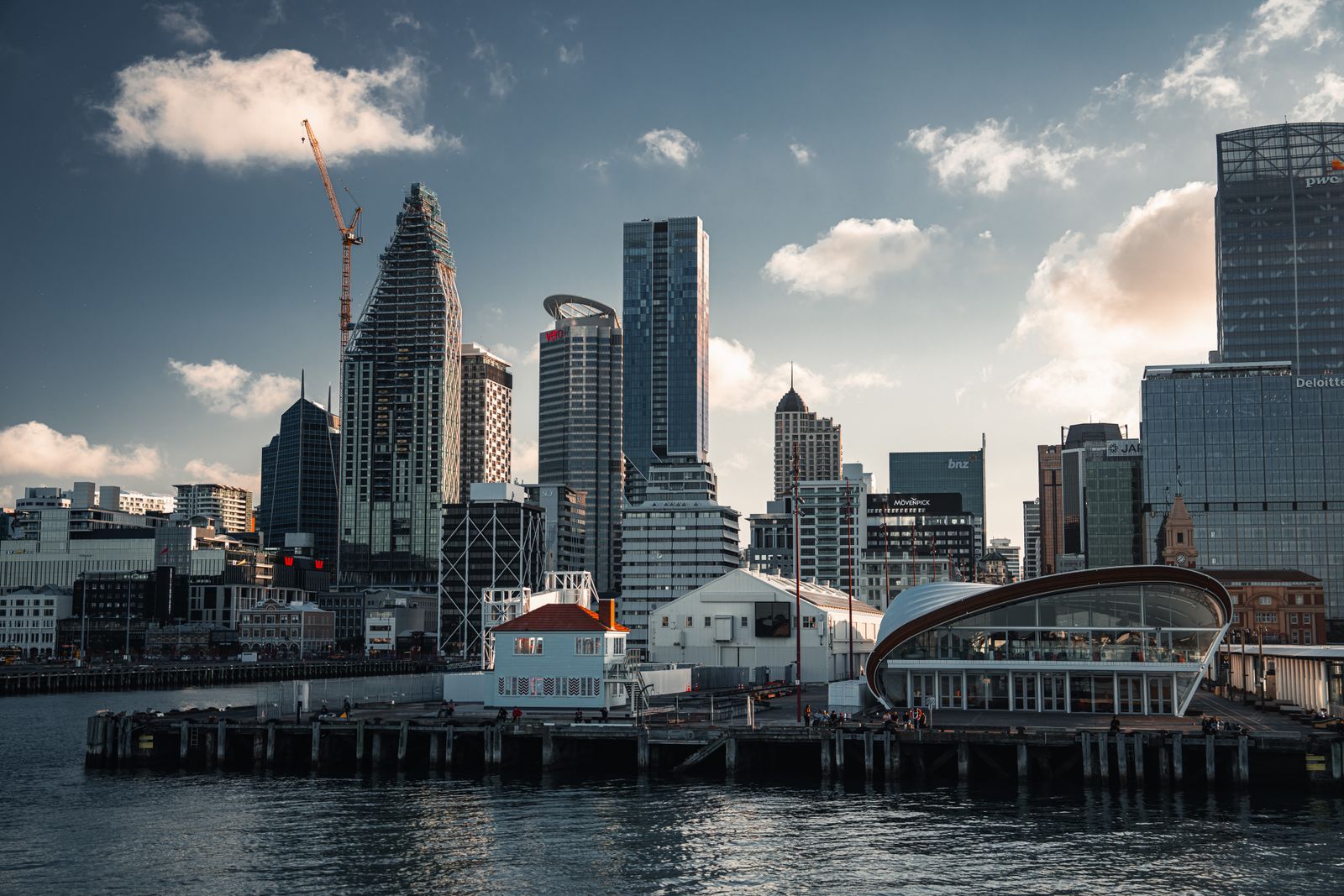
Private transfer from Auckland Airport to the CBD. Check in to VR Auckland City.
Auckland sits on the Auckland Volcanic Field - 53 individual volcanic cones spread across the isthmus, the most recent eruption occurring approximately 600 years ago. The city is built on the evidence of those eruptions: the harbour bays, the islands, the hills that the city's neighbourhoods climb. It is, geologically speaking, a city built on borrowed time. Nobody mentions this at dinner.
The Sky Tower SkyWalk - 192 metres above the street, walking an external platform around the observation level on a harness - is the correct introduction to Auckland for an itinerary that includes the Nevis Swing on Day 8. The height here is significant. The Queenstown experience, in retrospect, will make this feel moderate. That recalibration is useful and should begin immediately.
The evening is unscheduled. Auckland's Viaduct Harbour - the waterfront precinct built for the 2000 America's Cup and still operating as the city's most concentrated dining and bar district - handles unscheduled evenings with competence.
Forty Minutes by Ferry. Four Vineyards. The City Disappears Completely.
Waiheke Island sits 19 kilometres off the Auckland waterfront. The ferry crossing takes 40 minutes. The island - 92 square kilometres of volcanic hills, olive groves, and 30 vineyards - operates on a different pace from the city it is visible from across the harbour. This is not an accident. Waiheke has been the destination of choice for Aucklanders who need to be somewhere that requires an effort to reach since the first artists and winemakers settled here in the 1970s. The effort is now a 40-minute ferry, but the psychological distance remains intact.
Overnight in Auckland. Rental car collected tomorrow morning - Day 3 is when the road trip begins.
Underground First. Geothermal Last. The Road Connects Both.
Pick up the rental car - Toyota RAV4 or similar, fully insured - from Auckland. The New Zealand self drive itinerary begins.
Total driving: approx. 3.5 hrs · Scenic, straightforward, no complex navigation required
Waitomo Glowworm Caves sit underground in the limestone karst country south of Auckland. The guided tour descends into a cave system formed 30 million years ago, walking through chambers of stalactites and stalagmites before reaching the boat ride - a silent punt through the Cathedral chamber, where the ceiling is covered by thousands of Arachnocampa luminosa glowworms. Each one is the larva of a fungus gnat producing bioluminescent light to attract prey. The ceiling looks like a cloudy night sky viewed from below. The effect is exact and the scale is larger than photographs suggest.
Rotorua by late afternoon. The city smells of sulphur - the geothermal activity that makes the region extraordinary also means the hydrogen sulphide in the air is detectable from the city limits. Locals do not notice it anymore. Visitors notice it within 30 seconds and stop noticing it within an hour.
The Polynesian Spa Sky View Private Pool at the lake edge closes the day correctly - hot mineral water, the view across Lake Rotorua, and the specific quality of physical relief that follows a cave tour and three hours of driving.
Lake Taupo Is a Supervolcano. Huka Falls Is the Waikato River Having No Patience.
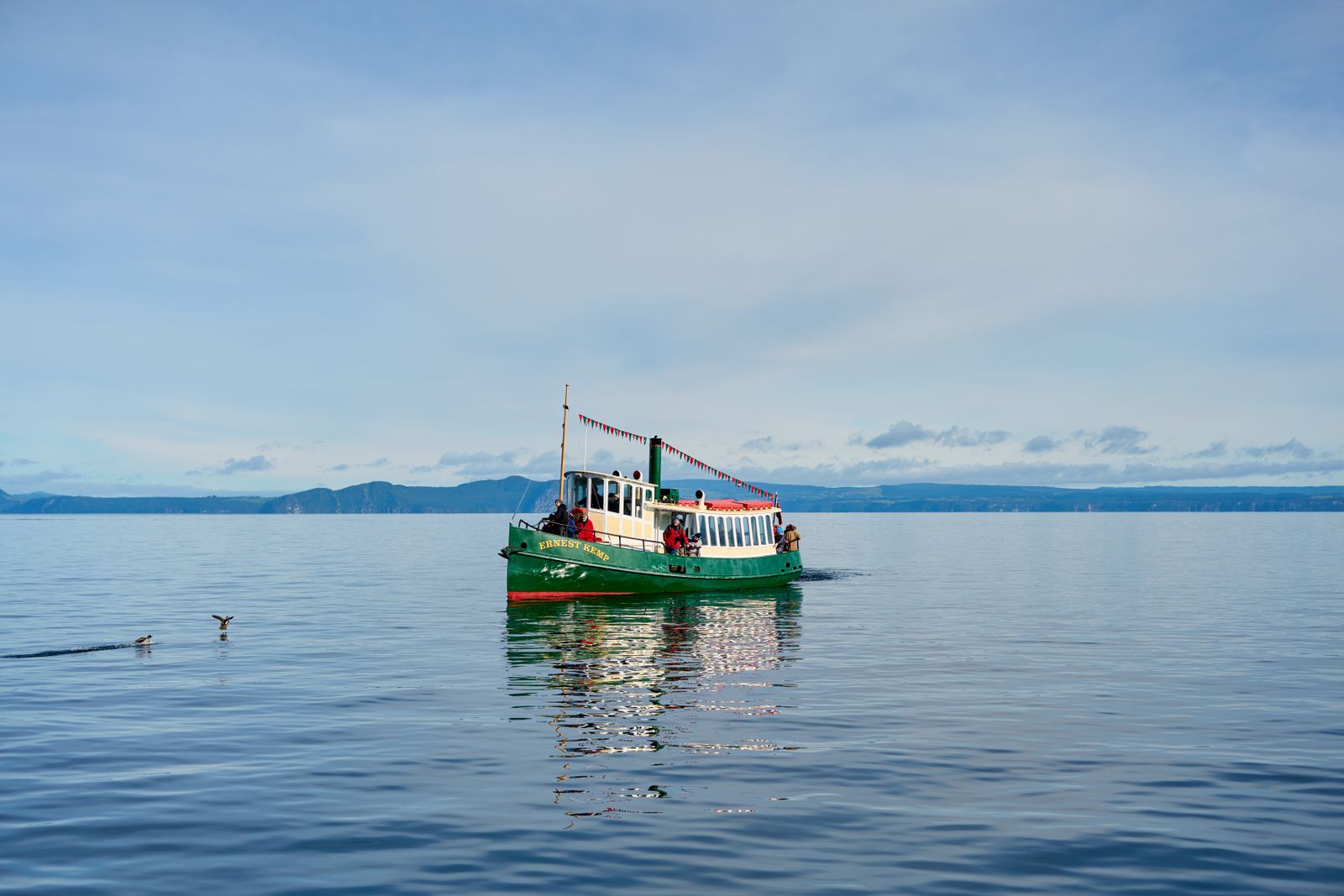
Lake Taupo contains 59 cubic kilometres of water. It sits inside the caldera of a supervolcano. The last major eruption - in approximately 232 AD - was violent enough to be recorded in China and Rome through the red sunsets it produced across the Northern Hemisphere. The lake that sits on top of that history is 186 square kilometres of flat, calm, fishing-ground water that looks, from the shore, completely at peace with the geological record underneath it.
Huka Falls is 500 metres downstream from where the Waikato River - the longest in New Zealand - is compressed from a 100-metre-wide riverbed into an 8-metre-wide channel. The result is 220,000 litres of water per second pushing through a gap it barely fits through, at a velocity that makes the conventional definition of a waterfall irrelevant. The viewing platform positions visitors directly above the compression point. The noise is significant.
Return to Rotorua for Hell's Gate Geothermal Experience - a 3-hour guided walk through New Zealand's most active geothermal reserve, followed by a mud bath and sulphur spa. The mud is volcanic, naturally heated, and a specific shade of grey that no cosmetics brand has successfully replicated. The spa that follows removes the mud and replaces it with the specific contentment of someone who has stood next to a boiling mud pool and then sat in a hot spring.
Hobbiton Is Real. The Beer at the Green Dragon Is Real. The Hobbit Holes Are Also Real.
The morning starts with the Skyline Gondola - a cable car up Mount Ngongotahā above Rotorua, followed by three Luge runs on the 800-metre concrete track that drops back down the hillside. The Luge is a wheeled sled with a brake, a steep gradient, and a corner or two that rewards overconfidence with a gravel rash. It is entirely appropriate for the age range this itinerary serves and more enjoyable than any reasonable adult expects it to be.
Drive one hour to Matamata. Hobbiton.
The Hobbiton Movie Set Tour covers all 44 Hobbit Holes - each built at a different scale to create forced perspective on camera, meaning that no two holes are the same size. The interiors of two are accessible. The gardens are maintained year-round by a crew that works full-time to keep the Shire in the condition it would be in if hobbits actually lived there. The Green Dragon Inn at the end of the tour serves a drink included in the ticket: Southfarthing Ale or Southfarthing Cider, brewed for the set and available nowhere else. It is a fully licensed bar. The beer is good.
Return to Rotorua via Tirau and the Fitzgerald Glade. The drive is unhurried and the landscape is the central North Island pastoral at its most archetypal.
The North Island Ends. The South Island Begins. The Ratio Shifts Completely.
Drive back to Auckland. Return the rental car. Fly to Queenstown. Collect new rental car on arrival.
The transition from Rotorua to Queenstown is the itinerary's sharpest pivot - geothermal, volcanic, Māori-culture North Island giving way to glacial, alpine, fjord-carved South Island. The two islands share a country and not much else. The South Island's Southern Alps run 500 kilometres along its spine, rising to 3,724 metres at Aoraki/Mount Cook. The lakes between the mountains are turquoise from glacial flour suspended in the water. The light is different - sharper, colder, more defined - because the Southern Alps compress weather systems against the West Coast and leave the eastern side in a rain shadow that makes the sky a consistent, saturated blue.
Queenstown sits on the edge of Lake Wakatipu, which runs 80 kilometres through a glacially carved trough between mountain ranges. The town of 15,000 people has the cultural infrastructure of a city five times its size, built by four decades of adventure tourism that made it the world's reference point for activities involving height and speed.
The Onsen Exclusive Indoor Pool with private hot tub, snacks, and drinks is the correct arrival experience for a destination whose purpose is to keep the body active. The pool looks out over the Remarkables mountain range. The snacks are included. Rest is strategic tonight.
Queenstown Adventure Activities: Nevis Swing & Helicopter Start the Benchmark.
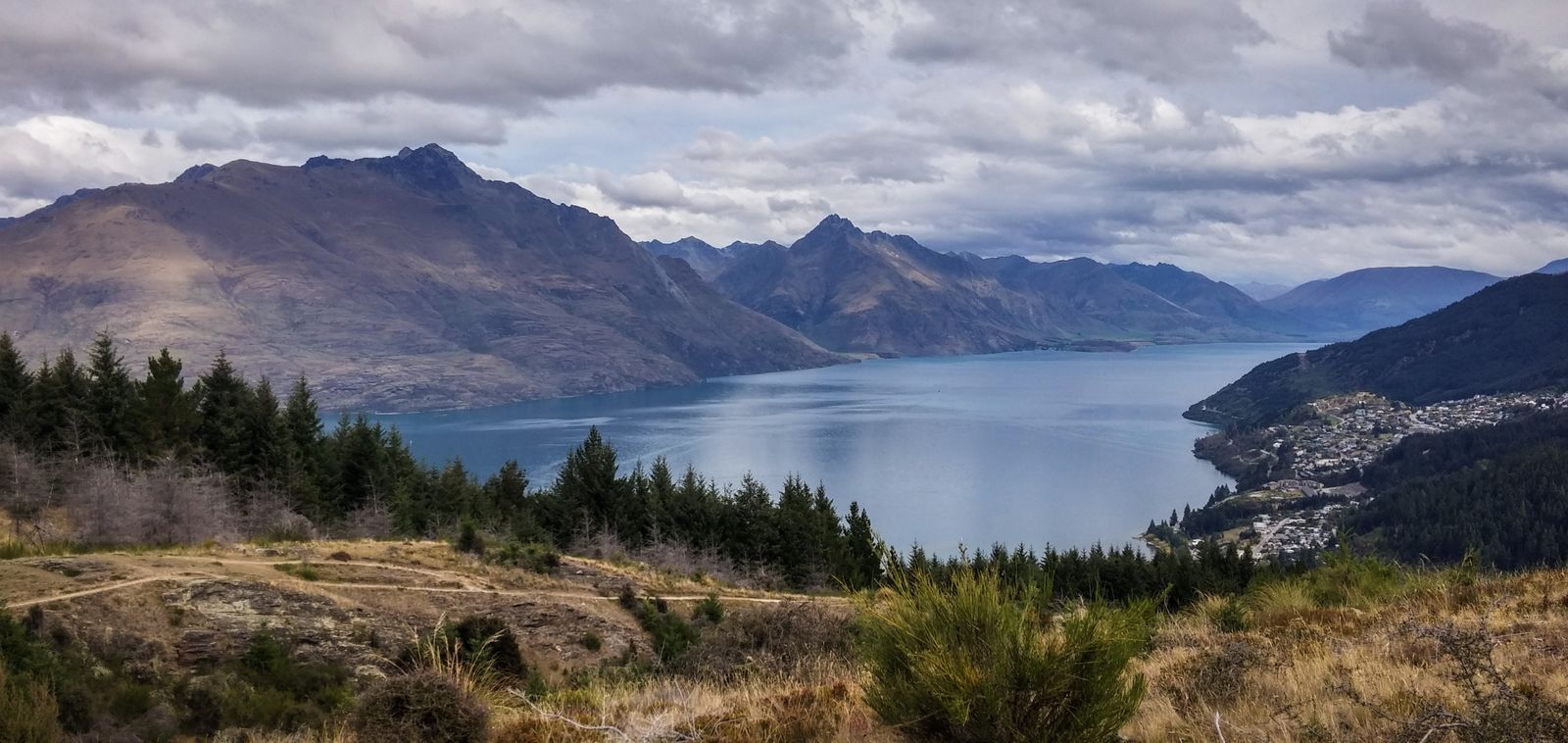
The helicopter departs from Queenstown's waterfront and ascends over the Southern Alps in a 30-minute flight that covers terrain requiring several days on foot to reach. The Grand Circle route crosses the Main Divide of the Southern Alps, passes over a selection of glaciers, and includes a snow landing - the helicopter settles on a snow field at high altitude, the passengers disembark, and the silence at that altitude and that distance from anything human-built is the particular silence that requires a helicopter to access.
Panoramic views are guaranteed by the physics of a helicopter in the Southern Alps in good weather. The snow landing is the specific experience that changes the day's register from impressive to memorable. The 30 minutes is exactly the right length - long enough for the scale to register, short enough that the return lands you back in Queenstown still holding the altitude in the body.
The afternoon and evening are unscheduled. Queenstown earns unscheduled afternoon time through the quality of its restaurants, its lake promenade, and the Skyline Gondola (different from Rotorua's - this one opens into a restaurant above the town with views down the length of Lake Wakatipu that constitute one of the more distracting dining experiences in the Southern Hemisphere).
The Nevis Swing Is 160 Metres Above the Canyon Floor. The Drop Takes Less Than 2 Seconds. The Scream Lasts Longer.
The Nevis Swing is not a bungy. The distinction matters.
Bungy involves falling vertically on a cord. The Nevis Swing involves a full-body harness, a release mechanism mounted on a cable stretched across the Nevis Canyon at 160 metres above the canyon floor, and a pendulum arc that carries the body through 70 metres of fall before swinging forward at 120 km/h across the canyon floor. The free-fall component lasts approximately 1.7 seconds. The swing continues for several passes before decelerating to the pick-up point.
It is the largest swing in the world. The engineering is completely sound. The experience of the first 1.7 seconds is the singular sensation of having made a decision that is now entirely in the hands of physics.
The Milford Sound Tour: The Drive Is Half the Destination. The Fjord Is the Other Half.
The return drive from Milford Sound to Queenstown takes 4.5 hours. This is not a problem. It is the information that determines everything about how the day works.
Total: ~5 hours driving · The route through Fiordland National Park is one of the great road drives in the Southern Hemisphere
The drive passes through three distinct geographical registers: the Queenstown basin, the Te Anau lowlands where Fiordland National Park begins, and the Homer Tunnel - a 1.2-kilometre single-lane tunnel drilled through the Darran Mountains at 945 metres altitude, which opens onto the Cleddau Valley and the sudden, complete presence of the Fiordland mountains on every side. The Mirror Lakes on the approach reflect the Earl Mountains in still water on calm mornings. The reflection is precise enough to disorient the sense of up and down.
Milford Sound: a fjord 15 kilometres long, carved by glacial action to a depth of 290 metres, with Mitre Peak rising 1,692 metres directly from the waterline - the world's highest sea cliff rising from water. The 2-hour small boat cruise navigates the length of the fjord, approaches the open Tasman Sea at the head, and returns. The scale of the fjord walls is not readable from the shore road or the car park. It becomes readable from the water at the moment the fjord narrows and the walls close in on both sides.
Waterfalls come off the cliff faces year-round - the annual rainfall here is 6,412 millimetres. On rainy days, dozens of temporary waterfalls appear. On clear days, the existing falls are fully lit. Both versions of Milford Sound are correct.
The Most Photographed Tree in New Zealand Grows Out of a Lake. Nobody Planned That.
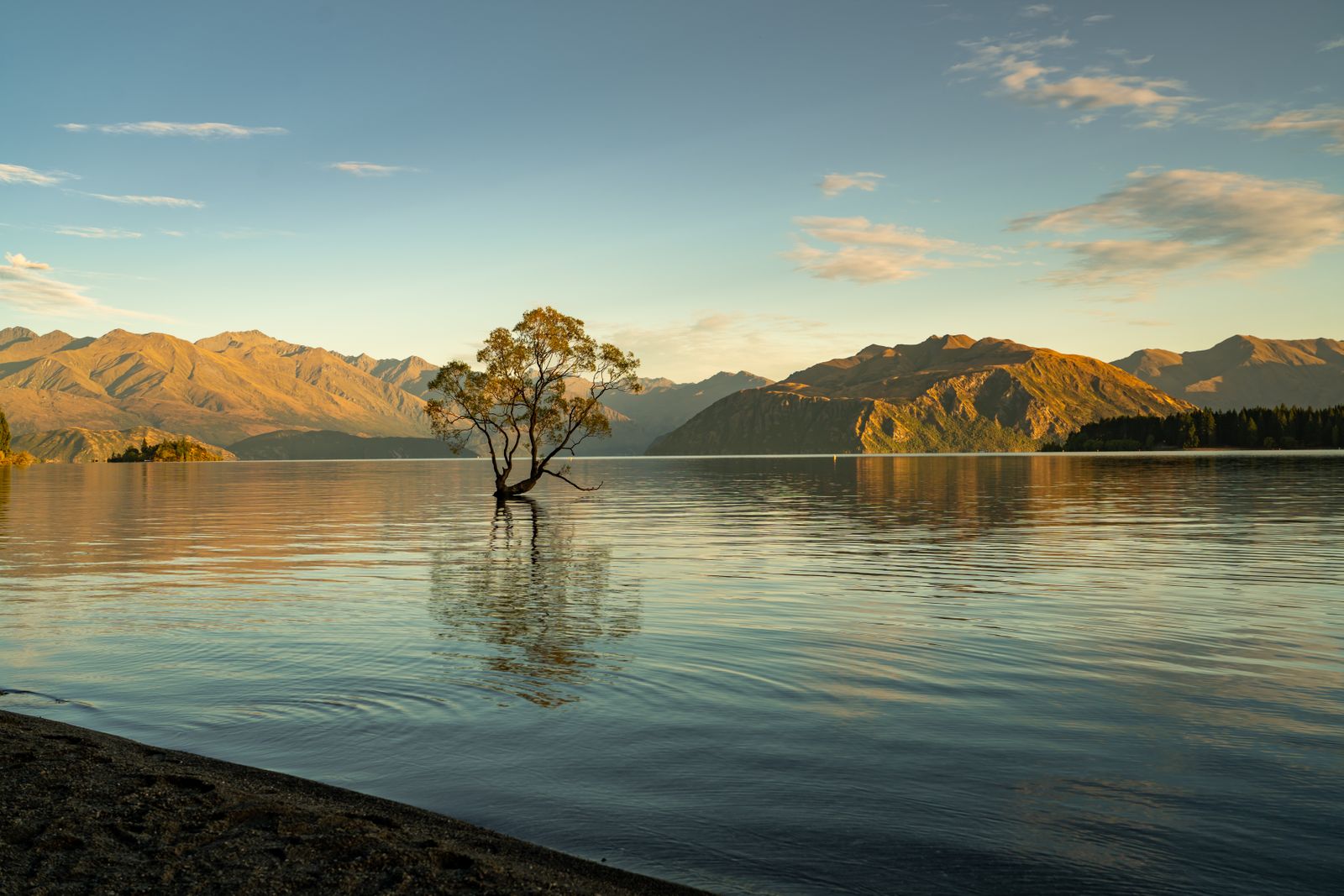
Drive from Queenstown to Wanaka takes 1.5 hours through the Crown Range - the highest sealed road in New Zealand, crossing at 1,121 metres with views back over the Queenstown basin that the town itself cannot provide.
Wanaka is Queenstown's quieter counterpart - the same mountain-lake geography, a smaller town, a more considered pace. The Wanaka Tree stands in Lake Wanaka's shallows 100 metres from the waterfront. A willow whose roots took hold in the lake bed, growing progressively further from the shore as the lake level fluctuated over decades. It is the most photographed tree in New Zealand by a significant margin. The photograph is the same one every time. It is still worth seeing.
Puzzling World in Wanaka provides structural relief from 10 days of landscape immersion - an attraction built entirely around illusions, optical tricks, a 3D maze, and the specific pleasure of a building that has been making adults feel disoriented since 1973. Allow 1.5 hours.
One of the great inland drives of the South Island: tussock grassland, Mackenzie Basin, the approach to Aoraki/Mount Cook country
Stop at the Church of the Good Shepherd on the Tekapo lakeshore - a small stone church built in 1935, its east window framing the lake and the mountain beyond. The composition was intentional. It still works. Check in at Peppers Bluewater Resort for two nights.
The Darkest Sky in the Southern Hemisphere. UNESCO Designated It. The Stars Confirm It.
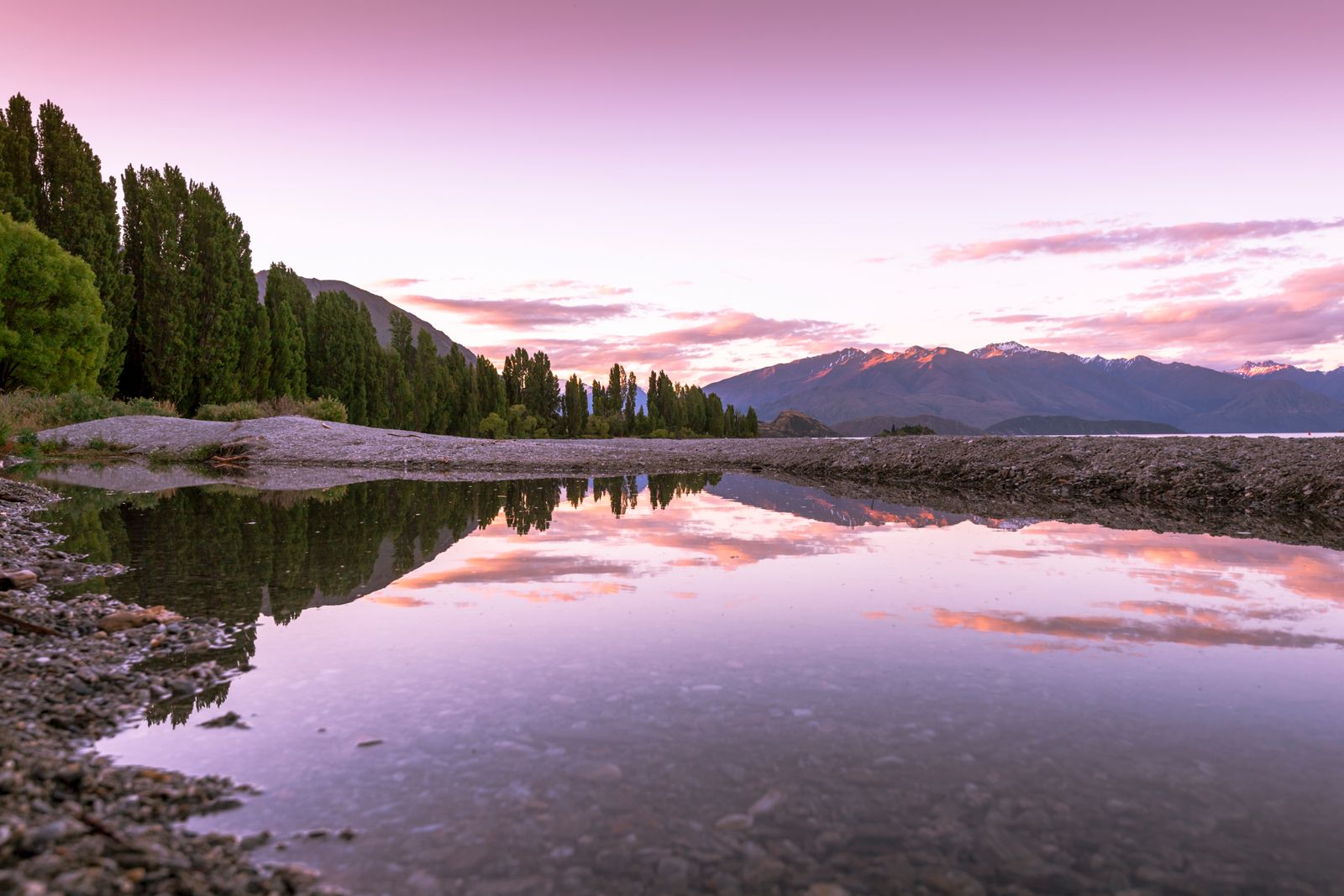
The Aoraki Mackenzie International Dark Sky Reserve covers 4,300 square kilometres of the Mackenzie Basin. It was designated in 2012 as one of the world's largest dark sky reserves - an area so far from significant light pollution that the Milky Way is visible to the naked eye on clear nights as a defined structure rather than a faint smear.
The guided stargazing tour begins after full dark. The University of Canterbury's Mount John Observatory overlooks Lake Tekapo from the ridge above town - the same ridge where the Church of the Good Shepherd sits during the day. The telescopes here are research instruments used by astronomers studying the Southern Sky. The guided session provides access to the same sky through the same kind of optics.
The Southern Hemisphere sky contains stellar objects invisible from the Northern Hemisphere: the Magellanic Clouds (two irregular dwarf galaxies visible to the naked eye as detached sections of the Milky Way), the Southern Cross, and the Eta Carinae Nebula. The guide interprets all of it. The hot pools follow - geothermally heated, positioned to view the sky while horizontal. The combination of 11 days of New Zealand, warm water, and a scientifically extraordinary sky above is the correct final night.
One Last City. One Last Drive. The Itinerary Closes the Way It Should - in Motion.
Drive from Lake Tekapo to Christchurch - 3.5 hours across the Canterbury Plains, the Southern Alps visible the entire way on the left horizon, the Pacific Ocean appearing on the right as the city approaches.
Christchurch is New Zealand's second-largest city and the most dramatically transformed urban landscape in the country - the 2011 earthquake destroyed 185 lives and the majority of the central city, and the rebuilding that followed produced a city centre of shipping container pop-ups, street art, cardboard cathedral, and new architecture that is still being completed in 2025. The Triple Pass Combo covers three experiences that span the old and new city: the Gondola to the Port Hills, the Heritage Tram through the re-emerging CBD, and the Avon River Punt - a flat-bottomed boat ride along the river that runs through the centre of the city, reflecting the new buildings and the surviving Victorian facades that have been standing since before the earthquake decided which ones would remain.
Return the rental car at Christchurch Airport. Board the departure flight.
Twelve days. The glowworms, the Shire, the fjord walls, the dark sky, and the helicopter on a snow field somewhere above the Southern Alps. New Zealand in full - not every corner, but every register. That is what a well-built itinerary delivers.