
Japan is one of the few countries in the world where the gap between expectation and reality closes in your favour. You arrive expecting efficiency and order. You find all of that - and then the temples at dusk, the ramen at midnight, the bullet train passing Fuji at 320 km/h, and a floating torii gate standing in the sea. None of it is exaggerated. All of it is accurate.
This itinerary covers eight days across two base cities - Tokyo and Osaka - with four day trips that reach Fuji, Hakone, Kyoto, Nara, Hiroshima, and Miyajima. The structure is deliberate: three days in Tokyo to absorb the scale, one transit day to Osaka with a free afternoon, then three days of day-tripping from a stable Osaka base, and one final Osaka day before departure.
No zigzagging. No wasted transit. Every move has a reason.
Tokyo Lands Before You Do. The City Is Already Running. You Just Have to Catch Up.
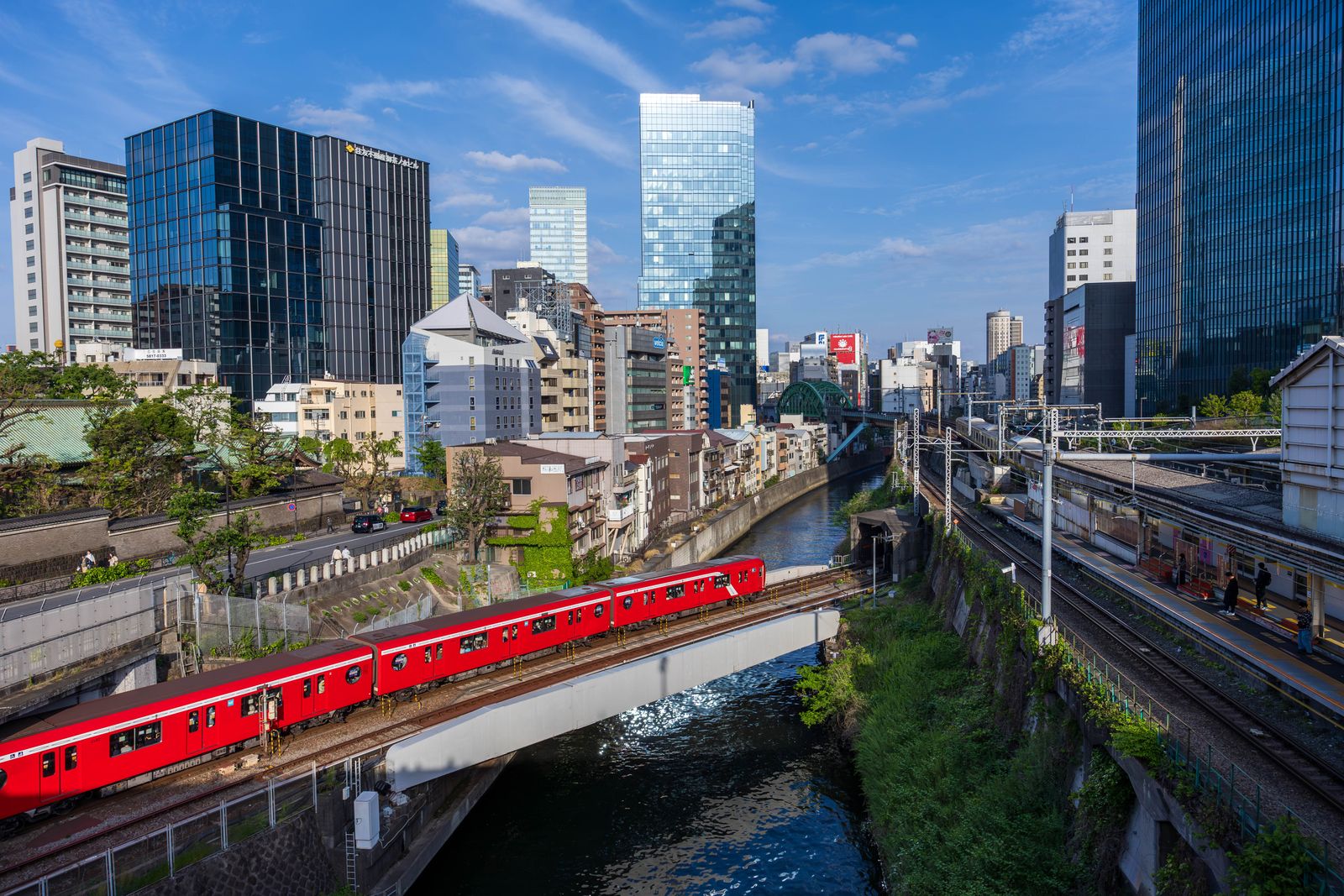
The airport transfer is private. The first impression of Tokyo is not the city - it is the highway. Elevated expressways threading between towers, the signage in kanji and roman script simultaneously, everything moving with a precision that feels engineered rather than organic. It is both things. Tokyo is a city that was rebuilt from scratch after 1945 and made decisions about itself with uncommon clarity.
Hotel is Shinjuku Granbell Hotel. Shinjuku is the correct base for a Tokyo first-timer - it contains multitudes simultaneously: the world's busiest train station, the neon canyon of Kabukicho, the quiet backstreets of Golden Gai, department stores that run seven floors underground, and a city government building with a free observation deck. All of this within walking distance.
The rest of Day 1 is deliberately unscheduled. Not because there's nothing to do in Tokyo - there is always something to do in Tokyo - but because the correct response to arriving in one of the world's most stimulating cities after a long flight is to walk one block, find a konbini, buy something you can't identify, eat it standing on the pavement, and let the city arrive at its own pace.
Senso-ji at 7 AM. Shibuya Crossing at Rush Hour. Tokyo Tower From the Ground. One Bus. All of It.
Breakfast at the hotel. Then, Tokyo by Skyhop Bus - the hop-on hop-off system that threads through the major districts and allows you to leave the bus wherever the city demands your attention.
Asakusa is the first stop that matters. Senso-ji Temple - Tokyo's oldest, built in the 7th century on the site of a fisherman's net that caught a golden statue of Kannon - opens its Nakamise shopping street at 6:00 AM and receives 30 million visitors a year. The way to beat 30 million visitors is to arrive before 9:00 AM, when the incense smoke is still low, the lantern above Kaminarimon gate catches the morning light, and the courtyard in front of the main hall is a different place entirely from what it becomes by noon.
Shibuya next. The crossing - photographed more than any other intersection in the world - operates on a scramble system where all traffic stops simultaneously and pedestrians cross in every direction at once. Up to 3,000 people cross at peak times. The correct way to experience it is once from street level, in the flow, and once from the Starbucks on the second floor above the northwest corner, where the window seat gives you the full aerial view. Neither replaces the other.
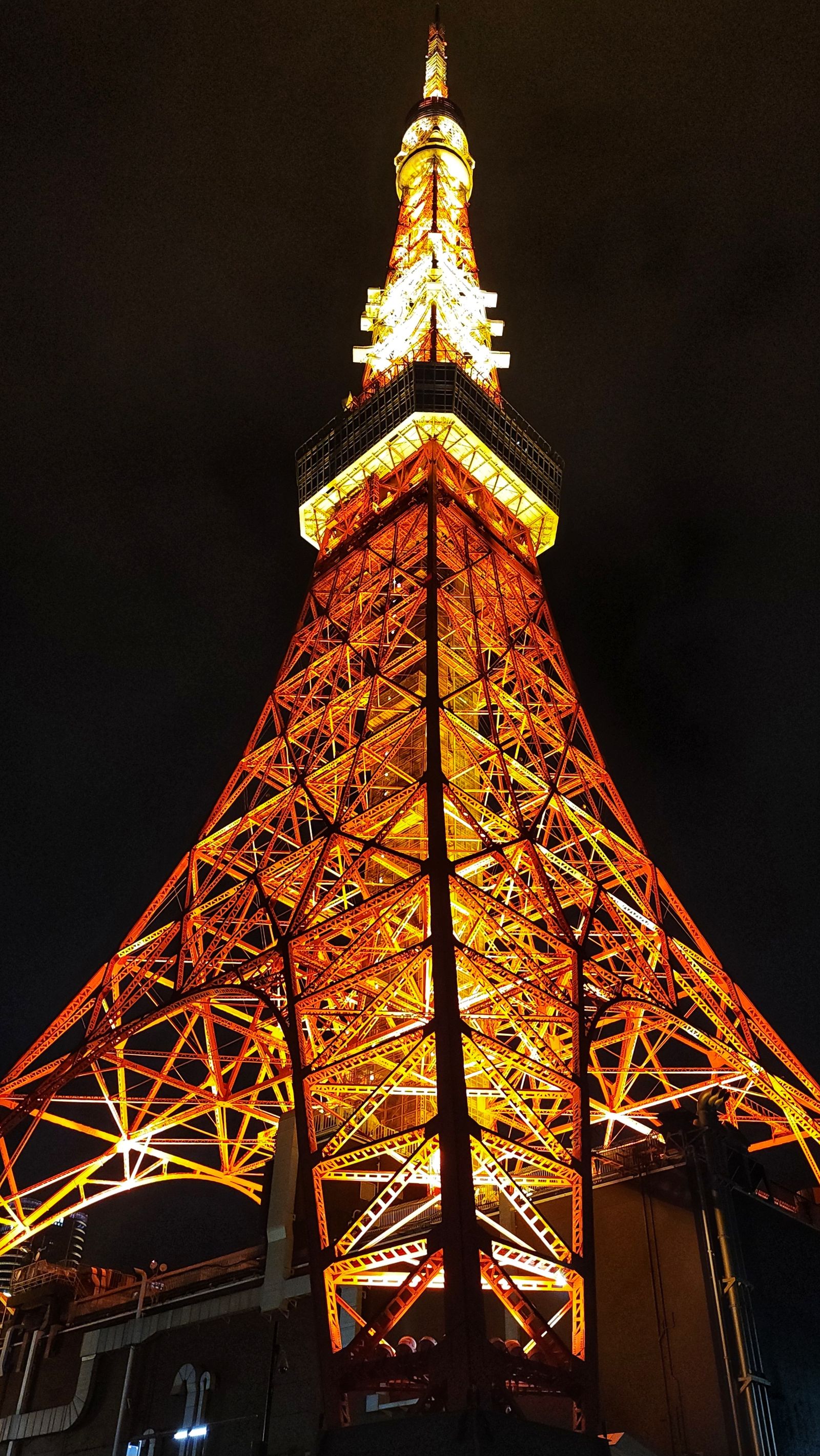
Tokyo Tower closes the day's anchor points. Built in 1958, painted international orange, taller than the Eiffel Tower it was modelled on - the observation deck at 150 metres gives a city view that the newer Skytree doesn't quite replicate because the Tower is surrounded by the city rather than rising above it.
Japan's Sacred Mountain. A Volcanic Lake. Then the Bullet Train Brings You Home in Time for Dinner.
Breakfast at the hotel. Then out of Tokyo, southwest, toward the mountain.
Mt. Fuji is Japan's highest peak at 3,776 metres, an active stratovolcano, and the single most depicted landform in art history. Hokusai's Thirty-Six Views. Hiroshige's landscapes. The view from the bullet train window that makes every Japanese person on the train stop whatever they're doing and look. It is all of those things simultaneously, and none of them fully prepares you for the actual proportions of the mountain - perfect, symmetrical, rising alone from the Kanto plain with no lesser peaks around it to provide scale.
The day trip includes the bullet train ride with Fuji views - the Shinkansen passes close enough to the mountain at speed that the window frames it like a photograph. Then into Hakone, the volcanic resort region at Fuji's southern base.
What Hakone Covers:
Lake Ashi - the crater lake formed by a volcanic eruption 3,000 years ago, with Fuji reflected in its surface on clear days. The scenic cruise across it is one of the most photographed moments in Japanese travel. Hakone Open-Air Museum - a sculpture park set against the mountain backdrop where Picasso, Henry Moore, and Japanese sculptors share the same hillside. One of the finest outdoor art experiences in Asia, and consistently underestimated by travelers who expect it to be a distraction from the mountains. It is the equal of them.
Tokyo to Osaka in 2.5 Hours. Then Dotonbori. Japan Shifts Register Completely.
Breakfast at the hotel. Check out. If you're travelling with the Japan Rail Pass, this Shinkansen journey from Tokyo to Osaka is one of the fastest and most scenic routes in the country. The train departs from Tokyo Station and covers 515 kilometres in approximately 2 hours 30 minutes on the Nozomi service.
Arrival at Osaka Station. Hotel is ART HOTEL Osaka Bay Tower - one of the tallest hotel towers in Japan, with the bay and the city spread below it.
The afternoon and evening are free. Use them for Dotonbori. Osaka has a specific relationship with food that no other Japanese city quite matches - the local expression kuidaore means "eat until you drop" and it is a civic philosophy, not a warning. Dotonbori is where this philosophy is most concentrated: a canal-side district of neon signs, takoyaki stalls, ramen counters, yakiniku restaurants, and the illuminated Glico running man sign that has been Osaka's symbol since 1935.
Walk it. Eat everything once. Nothing is wrong here. The street food in Dotonbori at 9 PM on your first evening in Osaka is one of the more uncomplicated pleasures in Japanese travel.
The Golden Pavilion. A Tea Ceremony in Uji. Deer That Bow Back. Kyoto and Nara in One Day.
Your Kyoto travel guide begins here. Breakfast at the hotel before joining the full-day Kyoto and Nara UNESCO Highlights tour, one of the most rewarding day trips from Osaka. This carefully planned experience covers Kyoto's iconic temples, traditional districts, and the famous deer of Nara in a single seamless journey.
Kyoto carries the weight of Japanese history more explicitly than any other city. It was the imperial capital for over a thousand years. When the Americans planned the firebombing campaign of 1945, Secretary of War Henry Stimson removed Kyoto from the target list because he had honeymooned there and understood what would be lost. The city survived entirely intact, which is why you can still walk through Gion, the preserved geisha district, and see wooden machiya townhouses from the 17th century functioning as tea houses, restaurants, and residences.
Kinkaku-ji - the Golden Pavilion - is covered in gold leaf and reflects in the mirror pond below it. Every photograph you have seen of it is accurate and insufficient simultaneously. The garden surrounding it, designed in the 14th century, is the context that makes the building legible. Allow time for both.
Then south to Uji for a tea ceremony. Uji is the origin point of Japanese matcha - the finest green tea in the country has been grown here since the 12th century. A tea ceremony in its place of origin is a different experience from one in a Tokyo tourist venue.
Full Day Covers:
Kinkaku-ji (Golden Pavilion) · Gion historic district · Byodo-in Temple · Uji tea ceremony · Nara Park free-roaming deer · Todai-ji Temple with giant bronze Buddha · Kasuga-Taisha Grand Shrine with its 3,000 stone and bronze lanterns.
The Peace Memorial. Then a Floating Torii in the Sea. Hiroshima Holds Both Without Contradiction.
Breakfast at the hotel. Bullet train west to Hiroshima - approximately 90 minutes on the Shinkansen.
Hiroshima does not require preparation or dramatic framing. The Peace Memorial Park and Museum speak entirely for themselves. The A-Bomb Dome - the only structure left standing near the hypocentre, preserved deliberately in its destroyed state as a permanent witness - is the most quietly devastating architectural monument in the world. Not because it is dramatic. Because it is honest. The museum is thorough, factual, and essential. Give it the time it deserves.
Then, by ferry across the bay to Miyajima Island. The Itsukushima Shrine was built in the 6th century on a tidal flat, designed so that at high tide the entire complex appears to float on the water. The orange torii gate stands offshore - 16 metres tall, its base sitting in the sea - and is one of the three official "Views of Japan" designated by 17th-century scholar Hayashi Gahō. The designation stands. At high tide, reflected in still water, it is the most visually striking single object in Japanese travel.
Walk the island. The deer here, like Nara, are unconfined and unbothered. The five-storey pagoda on the hill above the shrine is visible from the ferry as you approach. Miyajima repays the ferry crossing many times over.
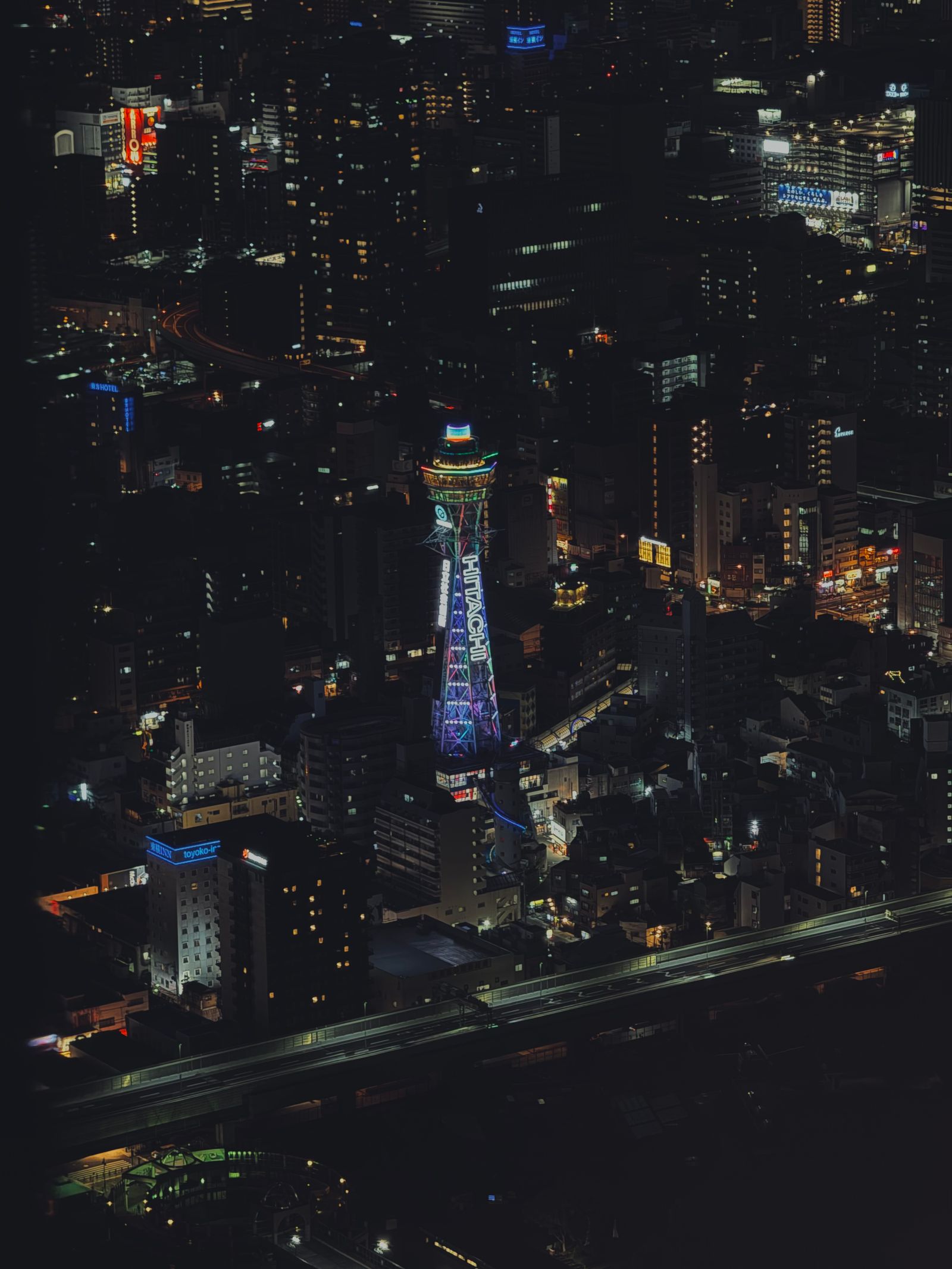
Osaka From 173 Metres. Then the Castle That Unified Japan. The City, Properly.
Breakfast at the hotel. Then, Osaka on its own terms.
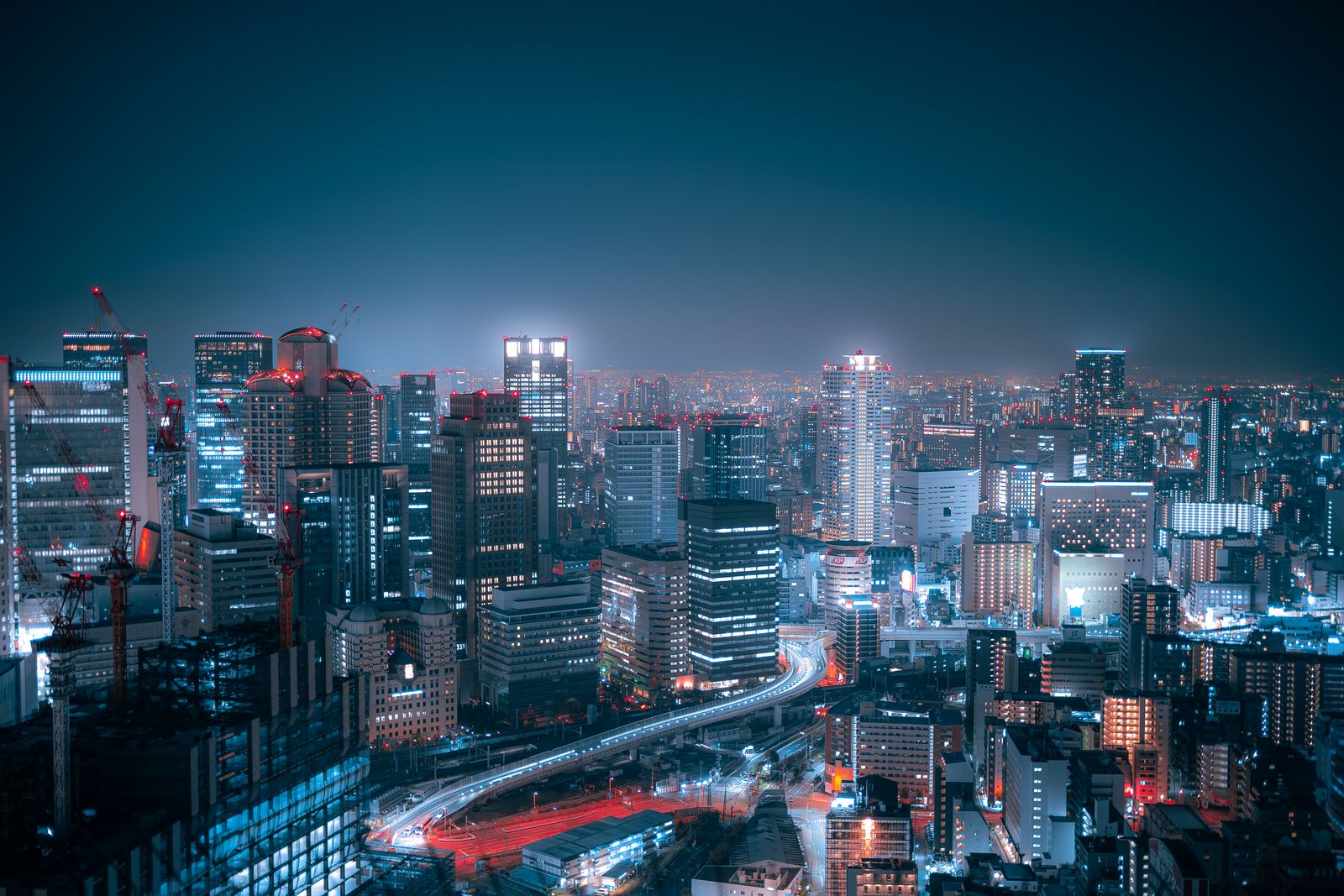
The Umeda Sky Building and its Kuchu Teien Observatory - "floating garden" in Japanese - sits atop two connected towers at 173 metres. The elevator to the top is a glass capsule that travels between the buildings through open air. The observatory deck is fully open to the sky on all sides. On a clear day: the Ikoma mountains to the east, Osaka Bay to the west, the city grid in every direction. The building itself, designed by Hiroshi Hara and completed in 1993, is considered one of the most architecturally significant structures in postwar Japan.
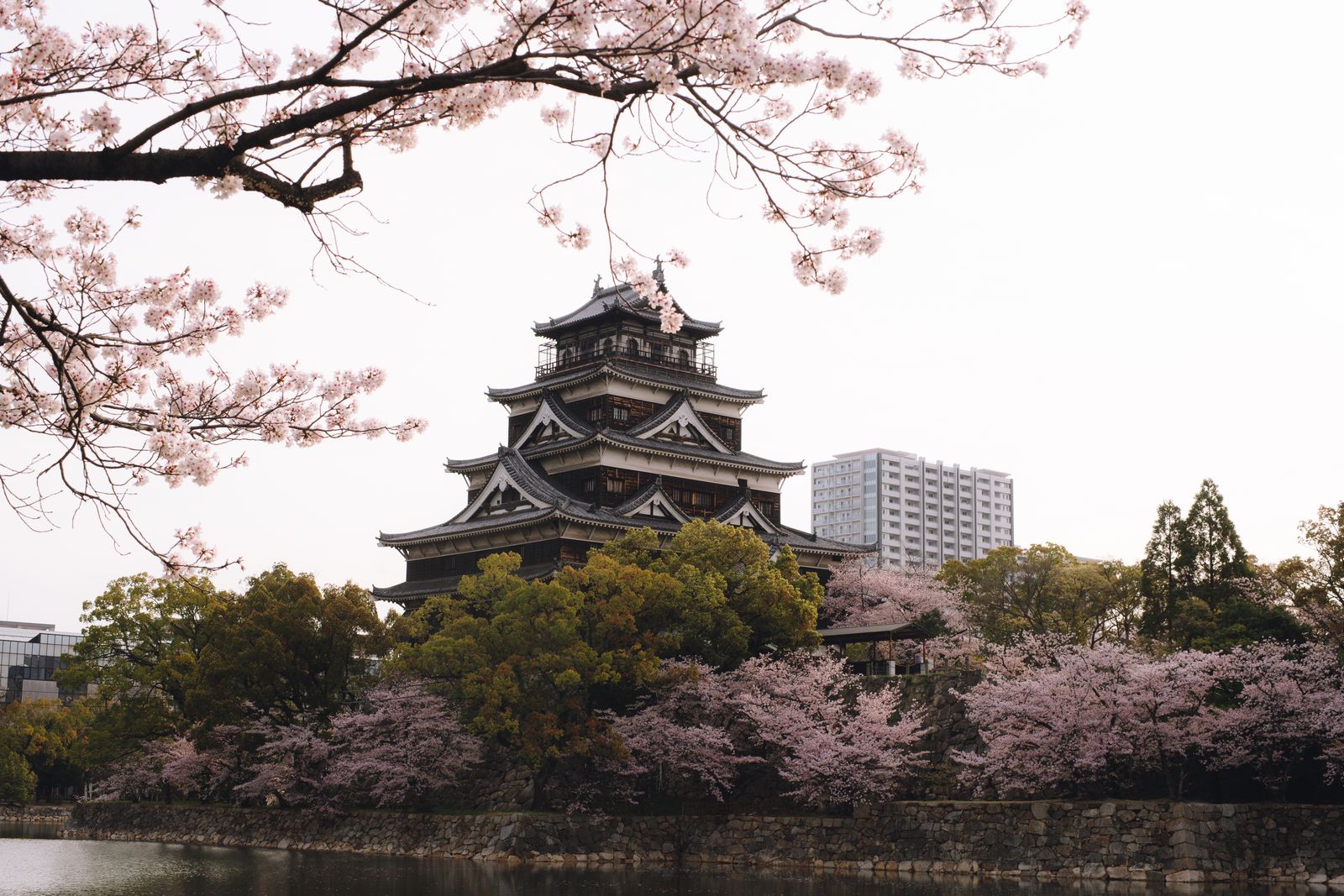
Osaka Castle in the afternoon. The original was built by Toyotomi Hideyoshi in 1583 as the symbol of his unification of Japan - a political statement in stone and gold. It was destroyed twice, rebuilt, destroyed again, and the current 1931 reconstruction now houses a museum that traces the full arc of Japanese feudal history through the castle's own biography. The surrounding park, with the stone walls and moat intact from the original 16th-century construction, is one of the finest castle grounds in Japan.
Tonight is the final evening in Japan. Namba for dinner. Shinsaibashi for a last walk. The city does not wind down early.
One Last Breakfast. Then Japan Returns You to the World.
Early breakfast at the hotel. Check out. Transfer to the airport.
Eight days. Two base cities. One bullet train. Mt. Fuji at dawn, Kyoto's temples, Nara's deer, a floating torii gate in the Seto Inland Sea, the silence of Hiroshima, and Osaka's unreasonable food.
Japan is the country that arrives exactly as described and still manages to surprise. The precision is real. The beauty is real. The food is everything it is claimed to be and then some. And the specific quality of attention that the country asks of you - the quiet, the observation, the patience that the temples and gardens and tea houses all reward - is something that travels home with you and doesn't entirely leave.
That is what eight days in Japan does. It recalibrates the standard.