
An Italy itinerary that only covers one city is like reading the first chapter of a book and calling it done. The country is built in layers - Rome for the ancient world, Florence for the Renaissance that rebuilt it, Modena for the obsessive Italian genius that produced both opera and Ferrari, and Venice for the proof that beauty, when it is absolute, does not require explanation.
This 9-day Italy travel itinerary moves by train through all four cities in the sequence that makes each one land correctly. You don't start in Venice - the canals are the closing argument, not the opening statement. You start in Rome, where the Colosseum Rome tour reminds you what a civilization looks like when it decides to build something that will outlast everything, including itself.
Every booking link below is active. Every hotel is pre-selected and central. The trains are booked. The only open variable is dinner - and Italy handles that better than any itinerary can.
You Land in the City That Was Once the Entire World. Take the Day to Remember Where You Are.
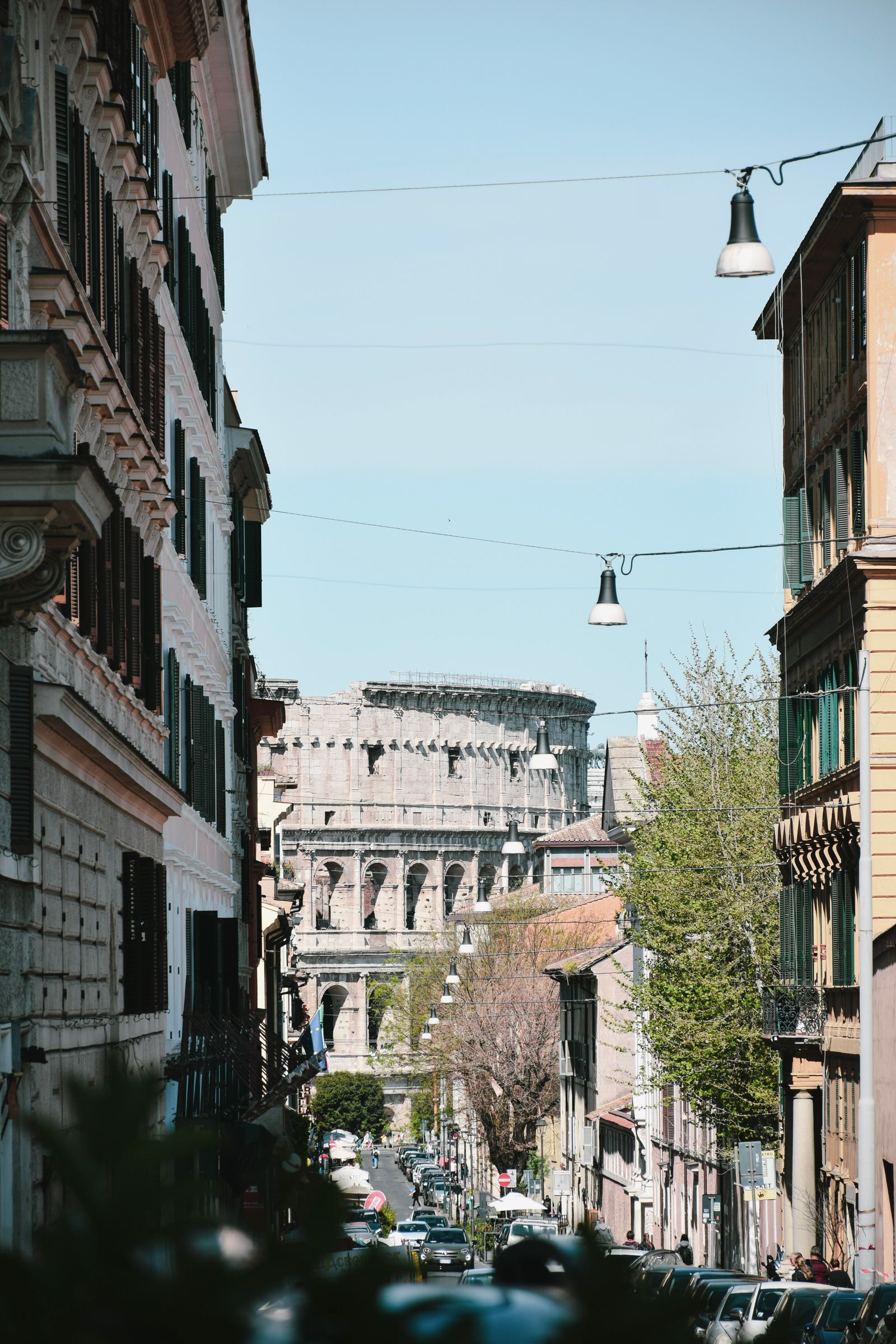
Rome Fiumicino Airport is 30 kilometres from the city centre. The pre-booked private transfer delivers you to the Royal Court Hotel Rome without the taxi queue, the price negotiation, or the Leonardo Express surcharge. Check in. Rest. The jet lag from India to Italy is 3.5 hours and manageable - but Rome in July is 36°C, and arriving dehydrated into that heat before you've recovered from the flight is the first mistake most first-time visitors make.
Day 1 is intentionally empty of activities. Walk the neighbourhood. Find a gelateria. Eat dinner at a trattoria within walking distance of the hotel and go to sleep at a reasonable hour. Tomorrow begins at the Colosseum, and the Colosseum deserves a rested mind.
Tip: Keep one change of clothes in carry-on. Italian July is unforgiving and checked bags sometimes arrive later than passengers.
The Colosseum at Morning, the Roman Forum by Midday, and the Entire City on a Bus That Stops Wherever You Tell It To.
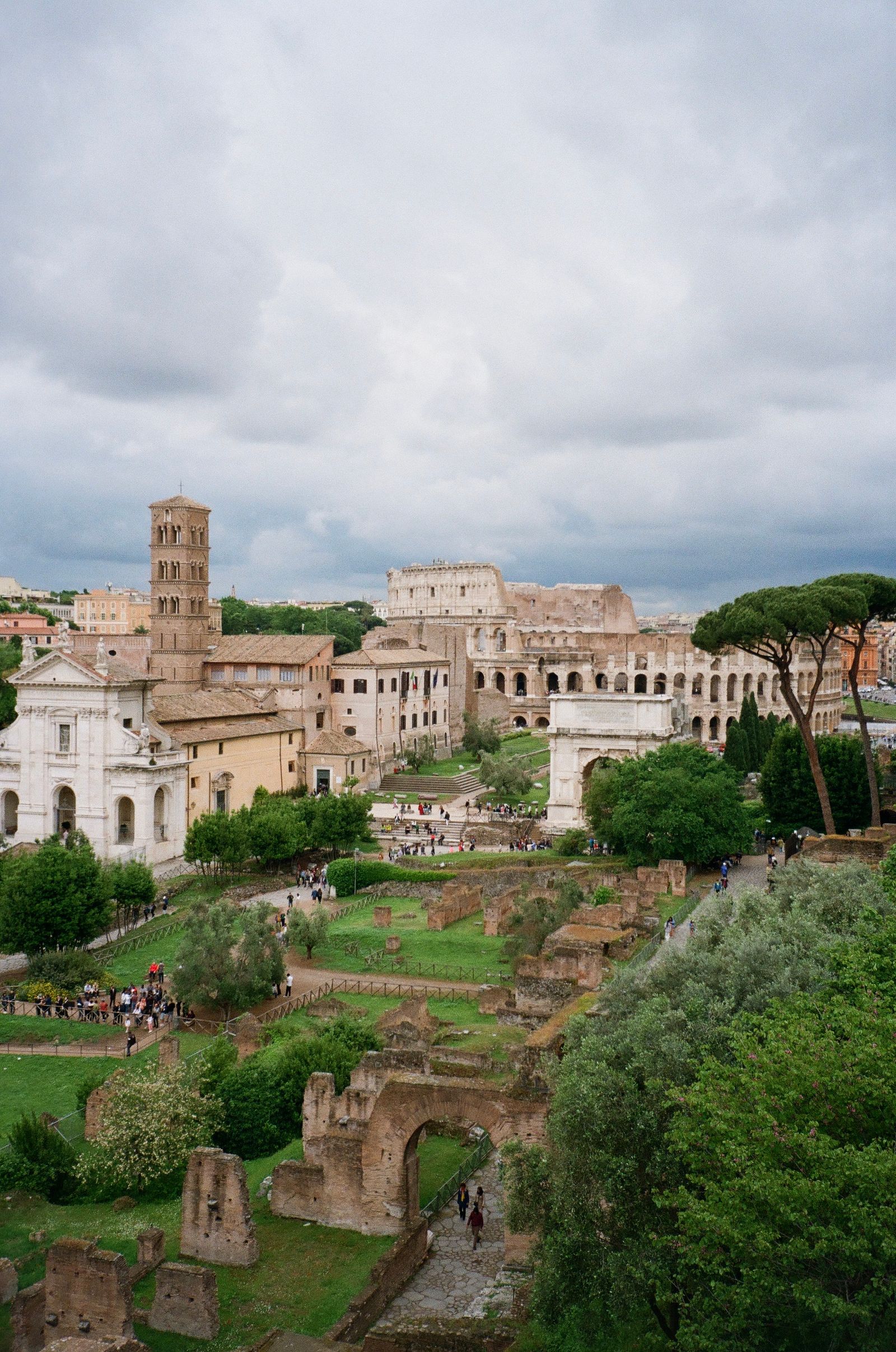
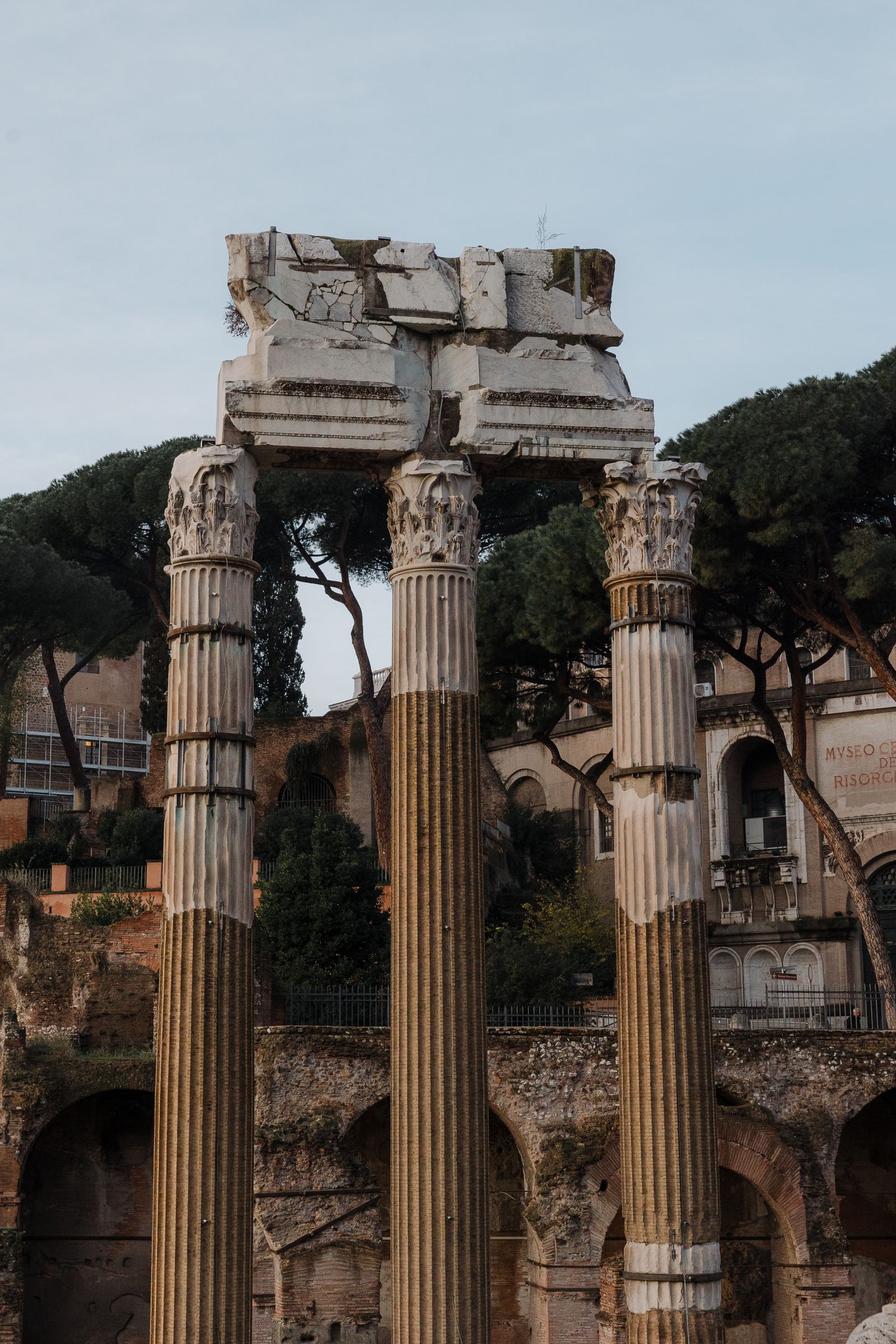
The combined Colosseum, Palatine Hill & Roman Forum guided tour is the correct way to spend a Roman morning. The three sites are connected by a single ticket and share the same archaeological complex - but without a guide, the Forum is an overwhelming scatter of ruins that requires context to read. With a guide, it becomes the most specific 4 kilometres of human history you will ever walk through.
The Colosseum is 50 metres high, 188 metres long, and holds 50,000 people in a structure built between 70 and 80 AD with no cranes, no steel, and no concrete. The guided tour covers the arena floor (where the sand covered a trapdoor system that released animals directly into the fight), the underground hypogeum, and the upper tiers. The view of the Forum from the third tier is the one that explains why Rome was built on seven hills - each one a vantage point over the valley that became the centre of the ancient world.
The evening 48-hour Hop-On Hop-Off Bus Tour activates after the Forum and continues through Day 3 if needed. Key stops: the Vatican Museums tickets (alight for St. Peter's Square even if you don't go inside), the Trevi Fountain (arrive after 20:00 when the tourist density drops by half), and the Spanish Steps. The bus runs until 19:30; the city runs considerably later.
The Train Takes 1.5 Hours. The Shift from Ancient Rome to Renaissance Florence Takes About the Same Amount of Time to Process.
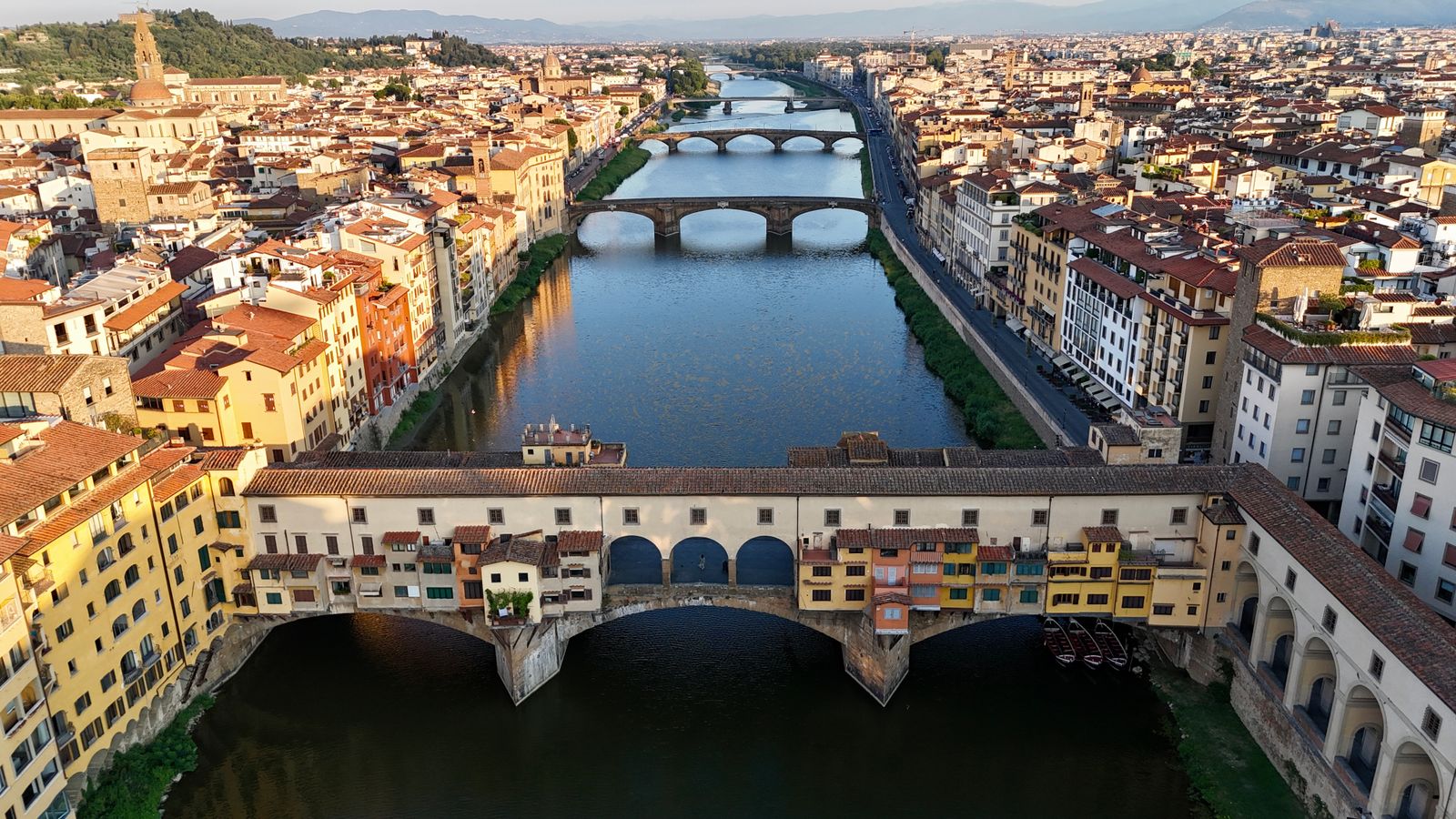
The Frecciarossa from Roma Termini to Firenze Santa Maria Novella takes 1 hour 25 minutes and arrives in the heart of the city. The Relais Hotel Centrale Residenza d'Epoca is in the historic centre - under a 10-minute walk from the Duomo, the Uffizi, and the Ponte Vecchio. In Florence's centro storico, location is the primary luxury, and this hotel has it absolutely.
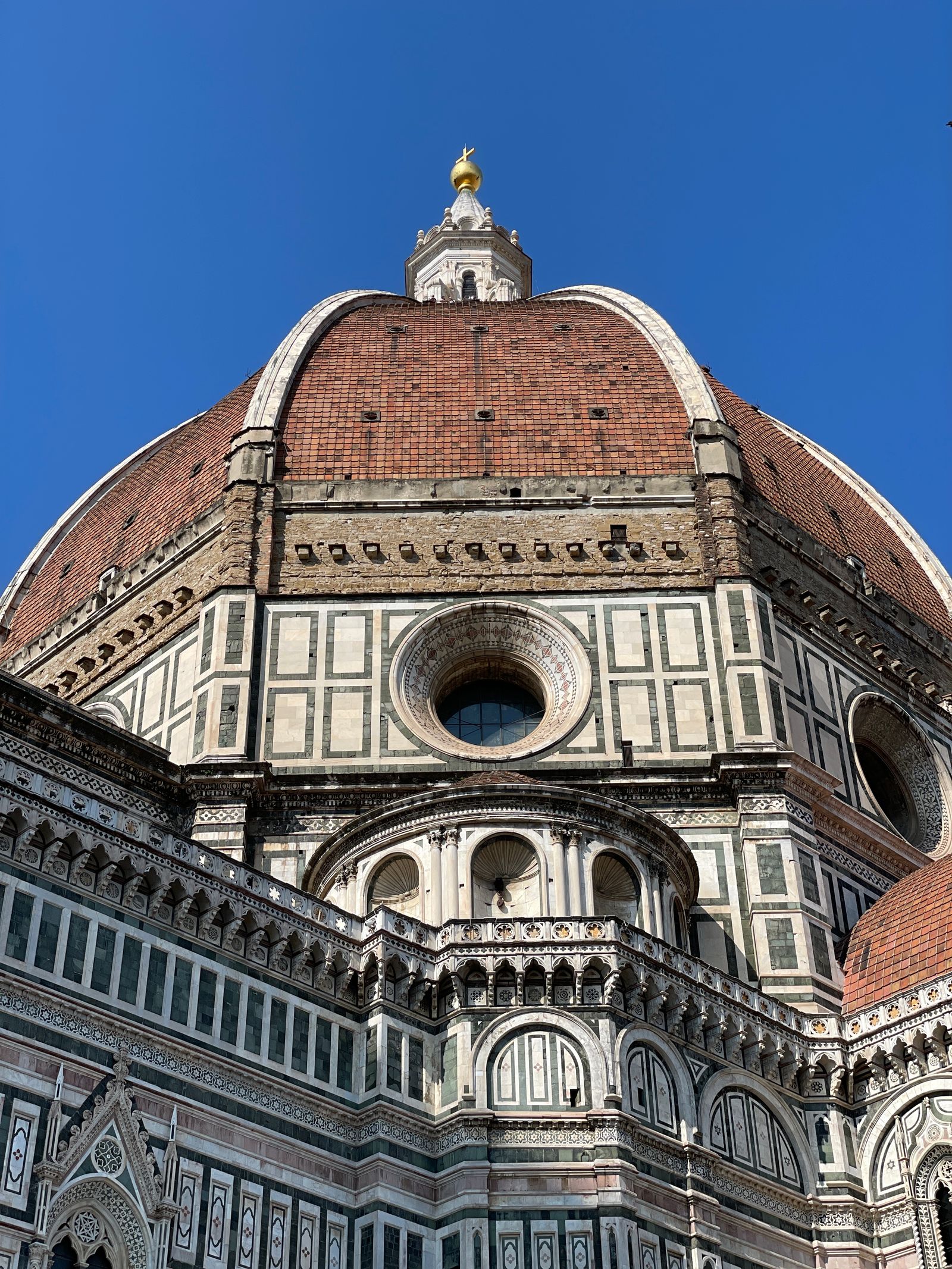
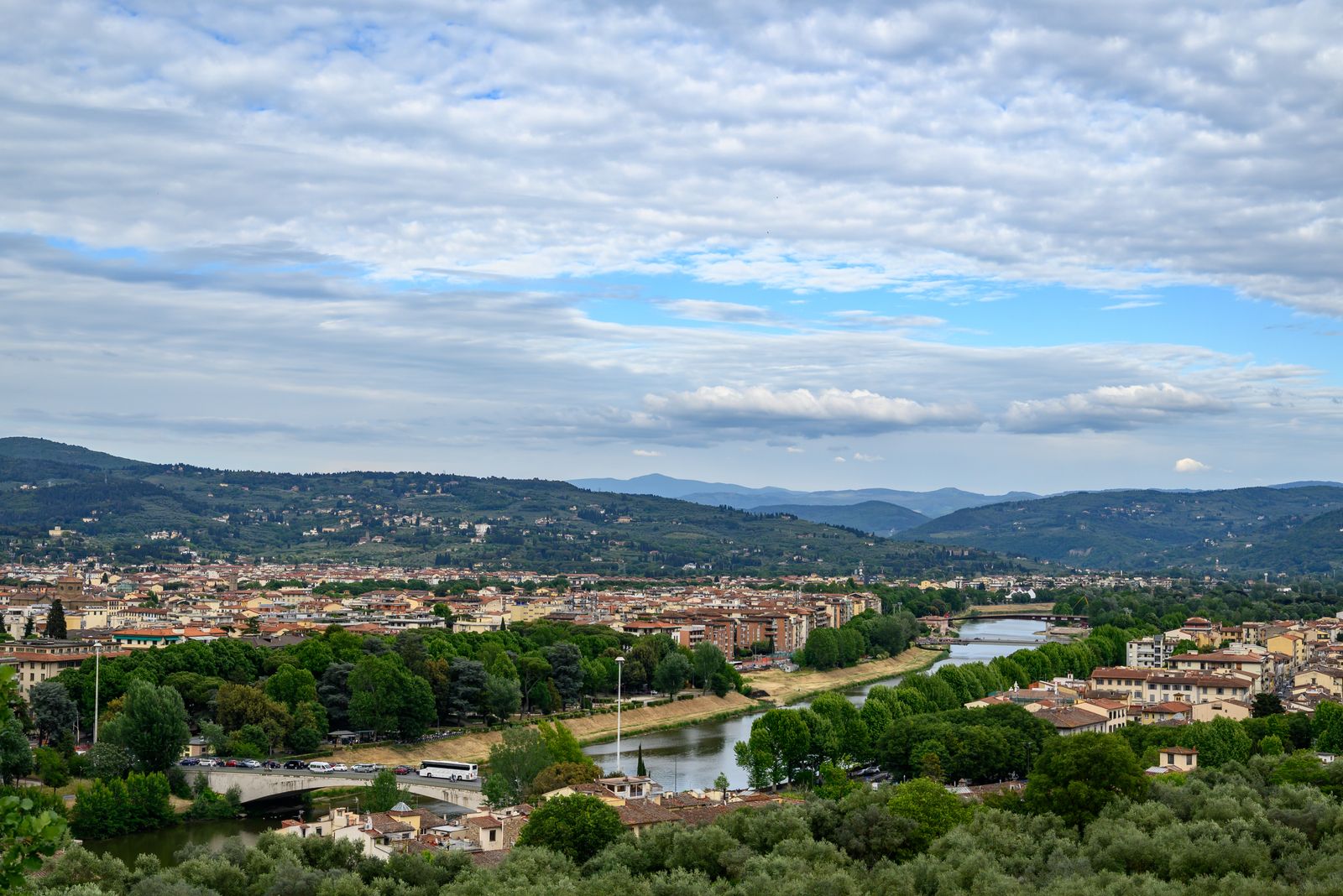
The afternoon Florence Hop-On Hop-Off Bus Tour covers the city's geography in the correct sequence for a first-time visitor: the Duomo and its Brunelleschi dome (the largest brick dome ever built, completed in 1436 without scaffolding - the engineering solution was kept secret for decades), the Ponte Vecchio (a medieval bridge with goldsmiths' shops built along its sides since 1593), and Piazzale Michelangelo for the panoramic view that puts everything in its spatial relationship.
Check-out Rome hotel · morning · Check-in Florence hotel · afternoon
Pisa's Leaning Tower. Siena's Medieval Square. San Gimignano's Towers. Chianti Wine at the Source. One Day That Covers Four Reasons to Stay in Tuscany for a Month.
The full-day Tuscany highlights tour departs at 07:30 and covers four stops that represent the full range of what the region does better than anywhere else on earth. Pisa first: the Leaning Tower is 56 metres tall, has been leaning since 1173, and was used by Galileo to demonstrate the physics of falling objects. The lean has been stabilised at 3.97 degrees - not corrected, because the lean is the product. Siena next: a medieval hill town whose Piazza del Campo is the most beautiful public square in Italy, which is a competitive category.
San Gimignano is the afternoon stop: a walled hilltop town whose 14 surviving towers (out of an original 72) were built by wealthy merchant families as status symbols in the 12th century. The view from the top of Torre Grossa covers 30 kilometres of Tuscan countryside in every direction. Chianti closes the day: a wine-tasting lunch at a working estate in the valley between Florence and Siena, eating food that was grown within sight of the table.
Michelangelo's David Is 5.17 Metres Tall. Standing in Front of It, You Understand Why He Spent Four Years on Something That Was Already Perfect at Two.
The priority access Michelangelo's David guided tour at the Accademia Gallery skips the queue that, in July, starts forming at 08:00 and runs past 60 minutes by 10:00. The gallery's skip-the-line entrance takes you directly to the Tribune - the domed hall that Buontalenti designed specifically to house the David after it was moved from the Piazza della Signoria in 1873.
The David was carved between 1501 and 1504 from a single block of Carrara marble that two previous sculptors had already rejected as unusable. Michelangelo was 26 years old when he was commissioned. The statue depicts David before the fight with Goliath - not during or after, as was conventional. The tension in the hands, the turn of the head, the veins visible in the marble: these are not decorative details. They are what four years of work by the most technically precise sculptor who ever lived produces when the material gives way correctly.
The afternoon is free - use it to walk the Oltrarno district across the Ponte Vecchio, explore the Boboli Gardens behind the Pitti Palace, or simply sit at a cafe on the Piazza della Repubblica and watch a city that has been beautiful for 700 years continue to be beautiful without making any particular effort.
Modena Gave the World Pavarotti, Balsamic Vinegar, and Ferrari. One City Should Not Get to Keep All Three. It Does.
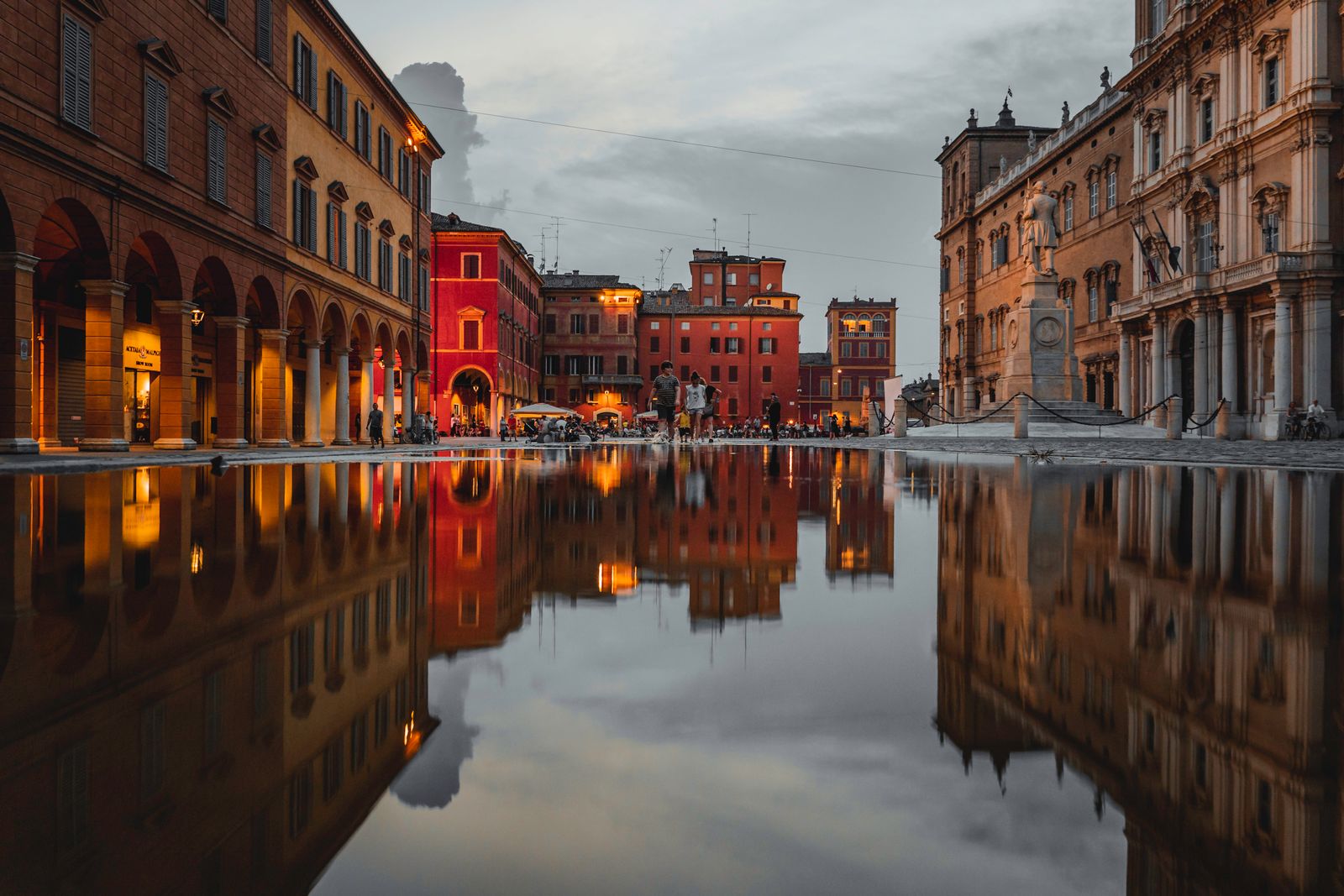
Modena is not on most Italy travel itineraries. That is the first thing to understand about it - and the reason it is on this one. While Rome processes five million tourists a month and Florence has turned its centre into a museum district, Modena is a functioning Italian city that happens to produce the finest balsamic vinegar in the world, held Luciano Pavarotti's birth certificate, and built the factory that makes Ferrari road cars 15 kilometres from the city centre.
The train from Florence takes approximately 1 hour 40 minutes via Bologna. Check in at the Best Western Premier Milano Palace Hotel and walk to the Enzo Ferrari Museum in the evening. The museum covers the life and obsession of the man who built the most emotionally resonant car company in history - starting with the racing stable he ran for Alfa Romeo in the 1930s, through the founding of Scuderia Ferrari in 1947, to the road cars that have been turning heads on Italian streets ever since. The Lamborghini models on display are the historical context: the rivalry between Maranello and Sant'Agata Bolognese, 40 kilometres apart, that produced two of the most irrational and perfect objects the automotive world has made.
Venice Has No Roads. No Cars. No Bicycles. Just Water, Stone, and the Specific Silence of a City That Decided in 421 AD That the Lagoon Was Sufficient.
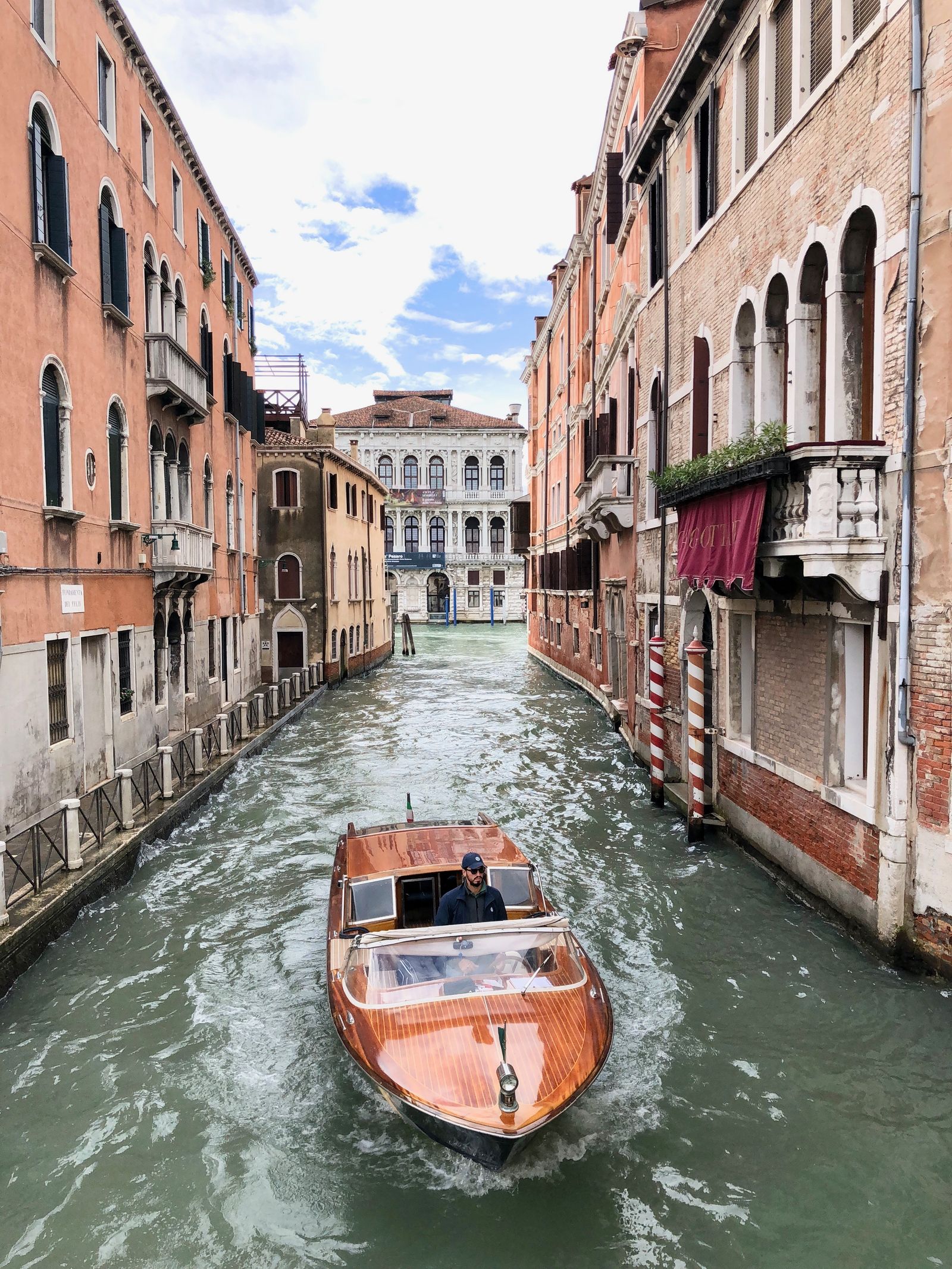
The train from Modena to Venice Santa Lucia takes approximately 2 hours. Santa Lucia station is built directly on the Grand Canal - you walk out of the station and the first thing you see is water. There are no roads. The vaporetto (water bus) takes you to your accommodation. The NH Venezia Laguna Palace hotel sits on the lagoon side of Venice, with water taxi access and the kind of position that makes every arrival and departure feel correctly theatrical.
The evening Walking Tour and Gondola Journey is the right first contact with Venice: the guided walk covers the Rialto Bridge, the Doge's Palace, St. Mark's Square (one of the few piazzas in Italy that faces water on one side), and the Bridge of Sighs - named by Byron in 1819 because it connected the interrogation rooms of the Doge's Palace to the prison, and condemned men crossed it with a view of the lagoon that they would not see again. The gondola ride follows: 30 minutes on the back canals away from the Grand Canal traffic, where the city is quieter and the water reflects the light from the windows above.
Note: Venice has no wheeled transport. Your hotel arranges water taxi or vaporetto transfer from Santa Lucia station.
Murano Blows Glass That Takes Three Generations to Master. Burano Paints Its Houses in Colours That Have No Practical Justification and No Need of One.
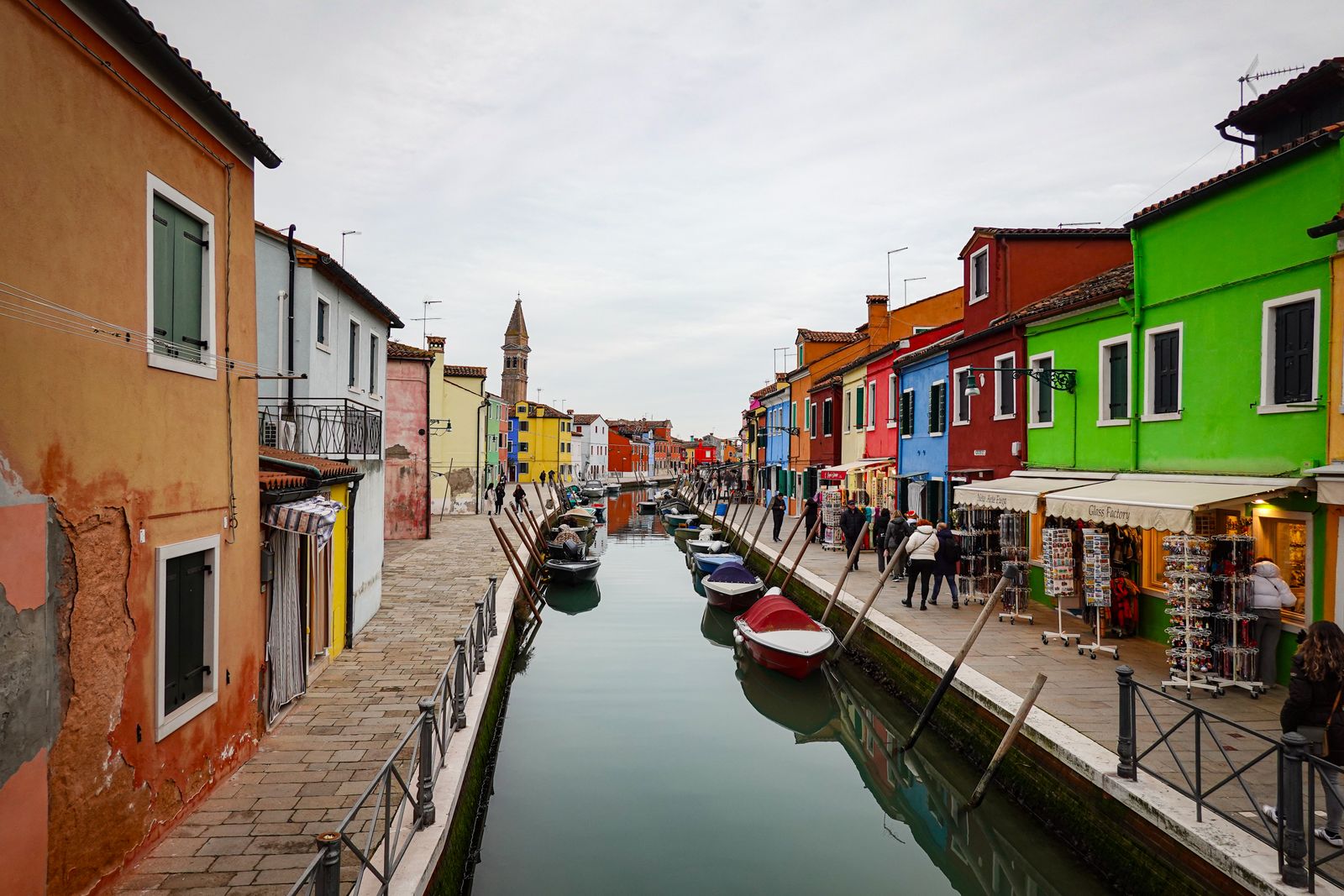
The Venice Islands day trip to Murano, Burano, and Torcello covers the three outer islands of the Venetian lagoon in a full-day boat tour that most visitors to Venice skip because Venice itself is consuming. This is the wrong decision. The islands are where the crafts that made Venice wealthy - glassmaking and lacemaking - were physically relocated by the republic in the 13th century so that their secrets could not leave the lagoon.
Murano has been producing glass since 1291, when the Republic of Venice forced all glassmakers to move to the island to prevent the furnace fires from burning down the wooden city. The glass-blowing demonstration at a working fornace shows the technique that has not fundamentally changed in 700 years - a process where the difference between a masterwork and a ruined piece is a five-second decision made at 1,000°C. Burano follows: 2,600 inhabitants on an island 40 minutes by boat from Venice, in houses that are painted in combinations of pink, yellow, blue, and green with a specificity that makes the whole island look designed. Torcello is the oldest continuously inhabited island in the lagoon - settled in the 5th century, it predates Venice itself and contains a 7th-century cathedral with Byzantine mosaics that predate the ones in St. Mark's Basilica by 200 years.
Breakfast. Checkout. The Water Taxi to the Airport. The Last View of Venice Is Always from the Water, Which Is the Only Correct Way to Leave It.
Venice Marco Polo Airport sits on the mainland shore of the lagoon, 8 kilometres from St. Mark's Square by water. The pre-booked transfer takes you by water taxi from the hotel dock to the airport dock - 25 minutes across open lagoon, with the city receding behind you in a way that confirms what you have spent the last two days walking through: Venice is not a city. It is a phenomenon that has been refusing to sink for 1,600 years, and it is best understood from a distance on the water, at the moment you are leaving it.
Nine days. Four Italian cities. The complete arc of what this country contains: the ancient world's most durable construction, the Renaissance's most consequential concentration of talent, the specific obsession that produced Ferrari, and a floating city that is simultaneously the most impractical and most beautiful urban settlement ever built.