
This Hawaii itinerary 6 days covers Oahu and Maui - two islands, each with a different character, different landscape, and a different answer to the question of what a perfect day looks like. We cover them with the depth they deserve rather than the surface skimming that most Hawaii trips settle for.
Oahu gives you Waikiki, Pearl Harbor tour, the full circle of the island, and the Polynesian Cultural Center - three days that cover the history, the geography, and the cultural foundation of Hawaii in a single, efficient arc. Then Maui: two days on the most scenically diverse island in the chain, anchored by the Road to Hana Maui, which is not just a drive but a 12-hour immersion in the Hawaiian wilderness.
Ideal Hawaii vacation itinerary for first-time visitors: Hawaii vacation itinerary for first-time visitors: six days is not long, but structured correctly, it is enough.
You've Crossed the Pacific. Waikiki Is Outside. The Ocean Is Warm. Rest First.
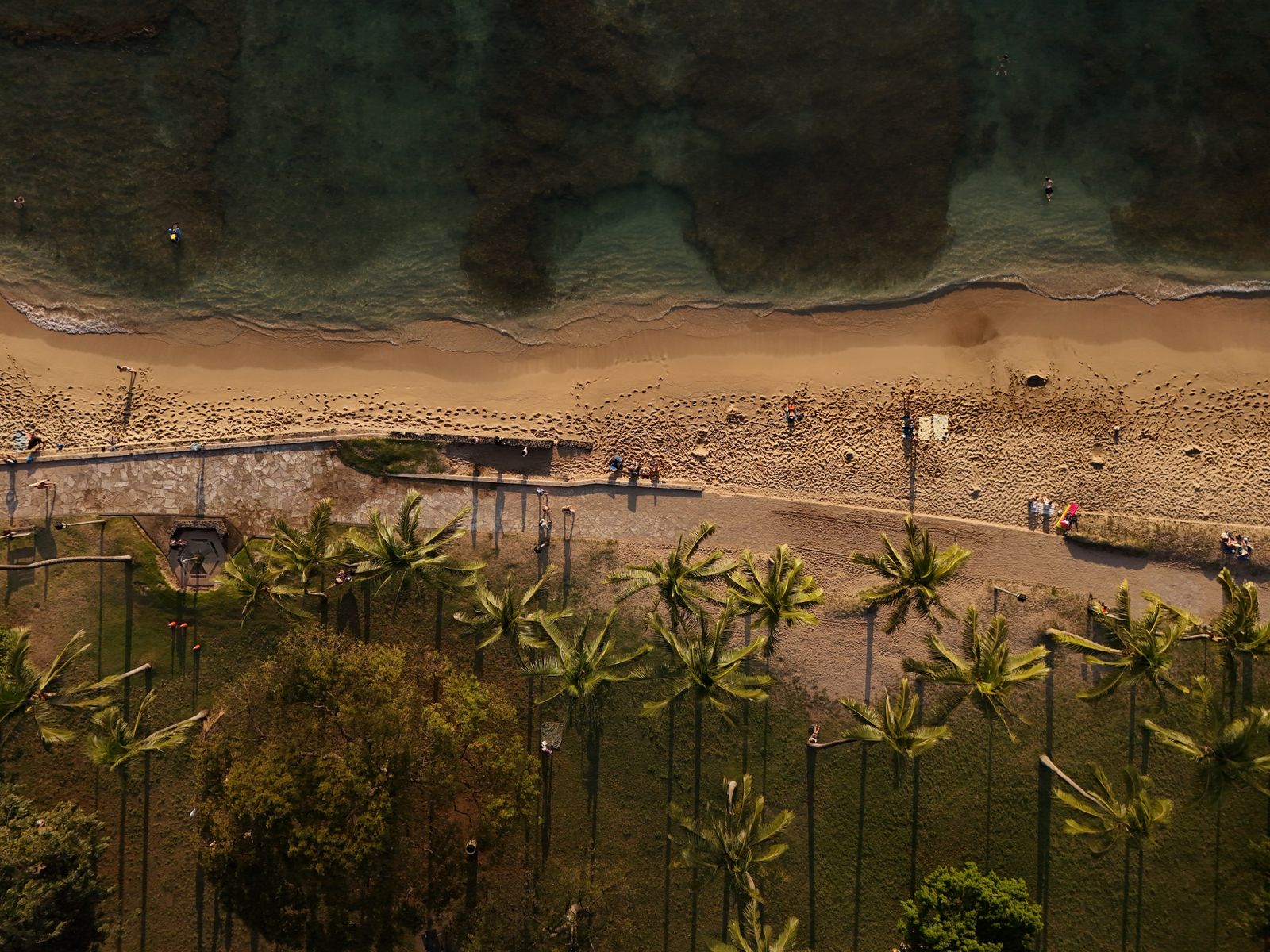
Your Oahu travel guide guide begins here. The flight arrives from Tokyo. Coach transfer at 9:00 AM to the hotel. Check in on arrival.
The hotel is Hyatt Regency Waikiki Beach Resort & Spa - directly on Waikiki Beach, which is the correct address for a first Hawaii trip. Waikiki is not the most beautiful beach in Hawaii. It is the most consequential. The history of Hawaiian surfing, the development of modern beach tourism, and the specific geography of Honolulu all converge here on a strip of sand that is two kilometres long and has been continuously photographed since 1900. Understand Waikiki and you understand the rest of Hawaii in context.
Day 1 is deliberately light. No guide. No scheduled dinner. Lunch on your own. Walk from the hotel to the beach and then along the promenade to Kapiolani Park. If you have the energy, Diamond Head is 20 minutes on foot and the crater rim hike takes 90 minutes with views across the entire southeastern coastline. If the jet lag has arrived, the beach chairs are free and the Pacific is exactly the temperature it looks like it should be.
Pearl Harbor in the Morning. The Entire Island by Afternoon. Oahu Doesn't Hold Back.
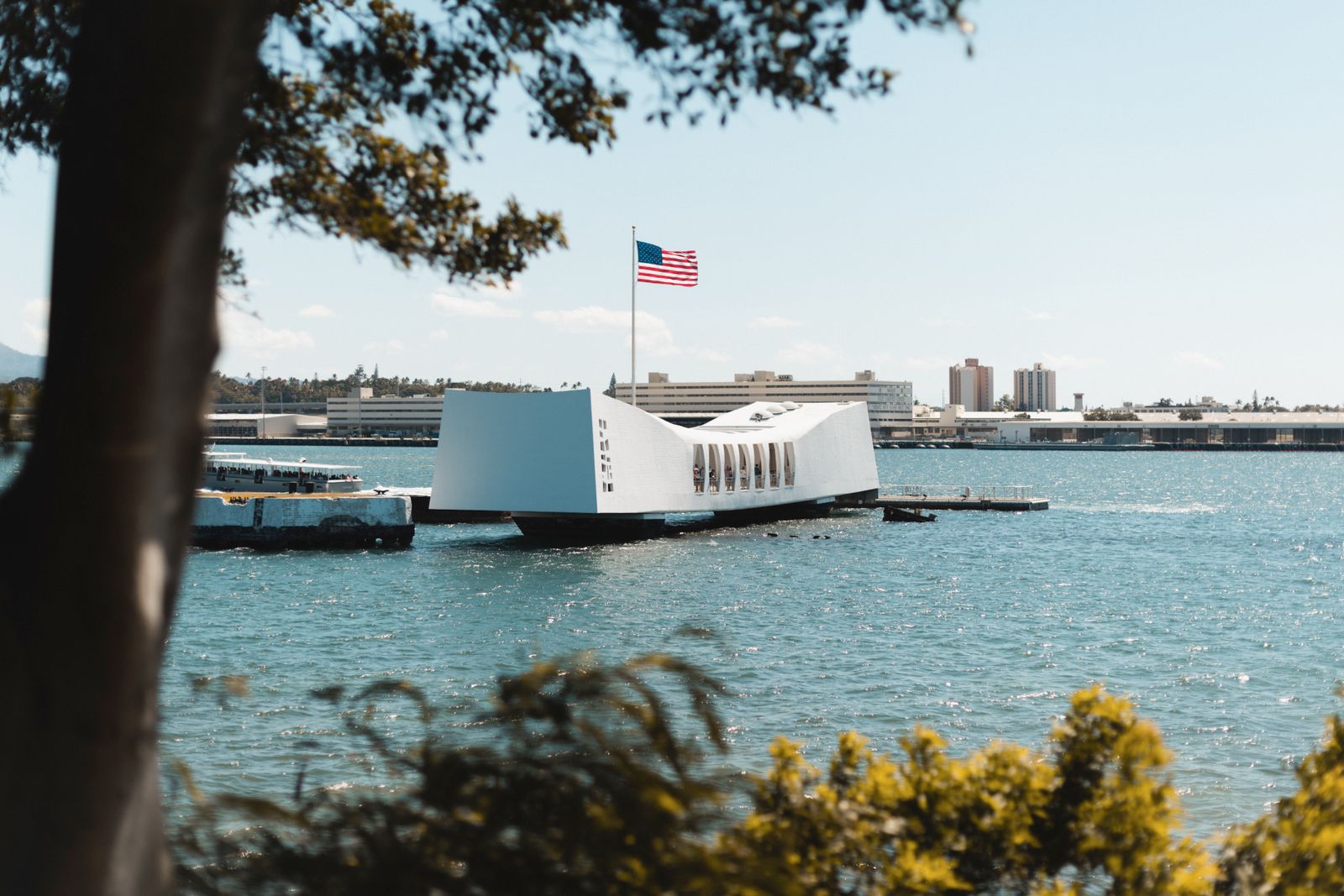
Breakfast at the hotel. Then, Pearl Harbor.
The Pearl Harbor National Memorial is one of the defining historical sites in the Pacific. The USS Arizona - struck by an armor-piercing bomb on December 7, 1941, and sunk in nine minutes - lies exactly where it came to rest, with the white memorial structure spanning it above the waterline. The ship still leaks oil into the harbour at the rate of a few quarts a day - a phenomenon that Native Hawaiian visitors describe as the ship still weeping. Whether you approach it historically or personally, the memorial is a place that demands quiet. Give it the time it deserves.
Lunch on your own - the Pearl Harbor visitor complex has several options. Then, the Grand Oahu Circle Island Tour - eight hours covering the full perimeter of the island by coach. This is not a tourist bus. This is the most efficient way to understand Oahu's geography: the Windward Coast, the North Shore surf beaches, the Byodo-In Temple in the valley, the Dole Pineapple Plantation, Haleiwa town, the Pali Lookout. Eight hours to see what most visitors miss entirely because they stay within Waikiki's radius.
Dinner at an Indian restaurant. Return to the hotel.
Six Pacific Cultures in One Afternoon. Then a Luau After Dark. Oahu's Best Kept Day.
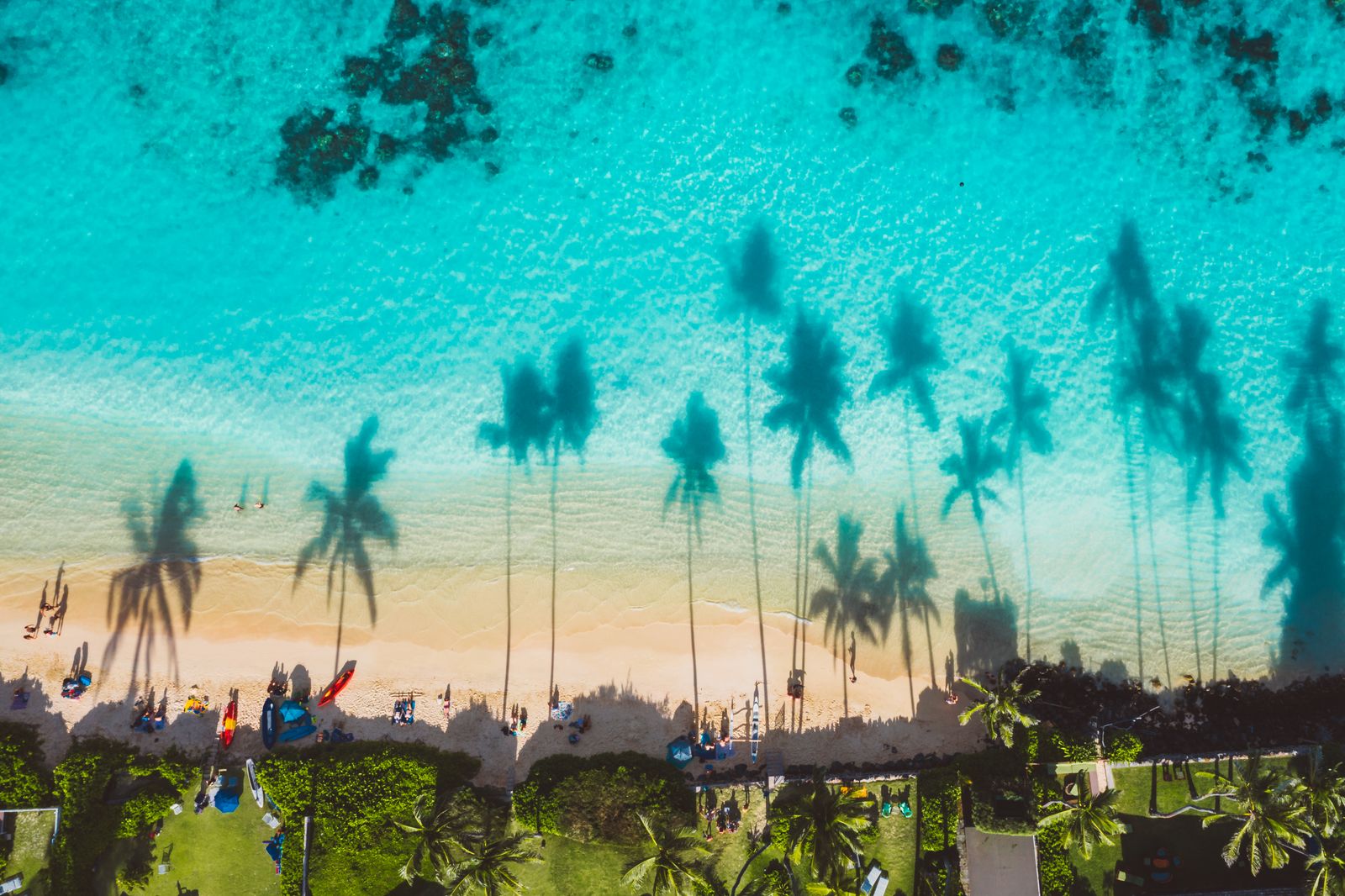
Breakfast at the hotel. Then, north to Laie and the Polynesian Cultural Center.
The PCC is the most visited paid attraction in the state of Hawaii. That statistic is either a red flag or a signal, depending on how you read it. In this case, it is a signal. The center occupies 42 acres on the North Shore and represents six Pacific island cultures - Hawaii, Samoa, Tonga, Fiji, Tahiti, and Aotearoa New Zealand - through living villages staffed by native performers, not actors. The demonstrations of fire-making, canoe paddling, weaving, and traditional cooking are conducted by people for whom these are inherited practices, not choreographed performances.
The cultural show runs 90 minutes and covers the full arc of Pacific migration - how the Polynesian people navigated millions of square kilometres of open ocean using stars, currents, and bird behaviour, without instruments, and settled every habitable island from New Zealand to Hawaii over 2,000 years. The scale of that achievement, put into narrative form with live performance and traditional music, is one of the more quietly astonishing things you can spend an afternoon watching.
Complimentary local dinner is included. Return to Honolulu overnight. Tomorrow, you leave Oahu.
Twenty Minutes by Air. A Completely Different Island. Maui Earns Its Reputation Immediately.
Breakfast at the hotel. Transfer to Honolulu Airport. Luggage stored in the cloak room. Inter-island flight to Maui - approximately 20 to 30 minutes, which is the correct duration for crossing between two places that feel this different from each other.
Maui is the second largest Hawaiian island and, by most measures, the most scenically diverse. Oahu is urban Hawaii - cosmopolitan, historical, layered. Maui is elemental Hawaii - volcanic landscape, rainforest coastline, beaches of every colour (black, red, white, green), and the East Maui Rainforest, which receives over 400 inches of rainfall per year and is one of the wettest places on earth.
Hotel is Maui Bay Villas by Hilton Grand Vacations in Kihei - on Maui's sunny southwestern coast, which sits in the rain shadow of Haleakala volcano and receives the reliable sunshine that the rest of the island occasionally withholds. Check in. The day is at leisure. Kihei Beach runs along the town's waterfront for several kilometres. Kalama Park has good snorkelling off the rocks. The restaurants along South Kihei Road are substantially better than their casual appearance suggests.
620 Curves. 59 Bridges. One Coastline That Has No Equivalent Anywhere on Earth.
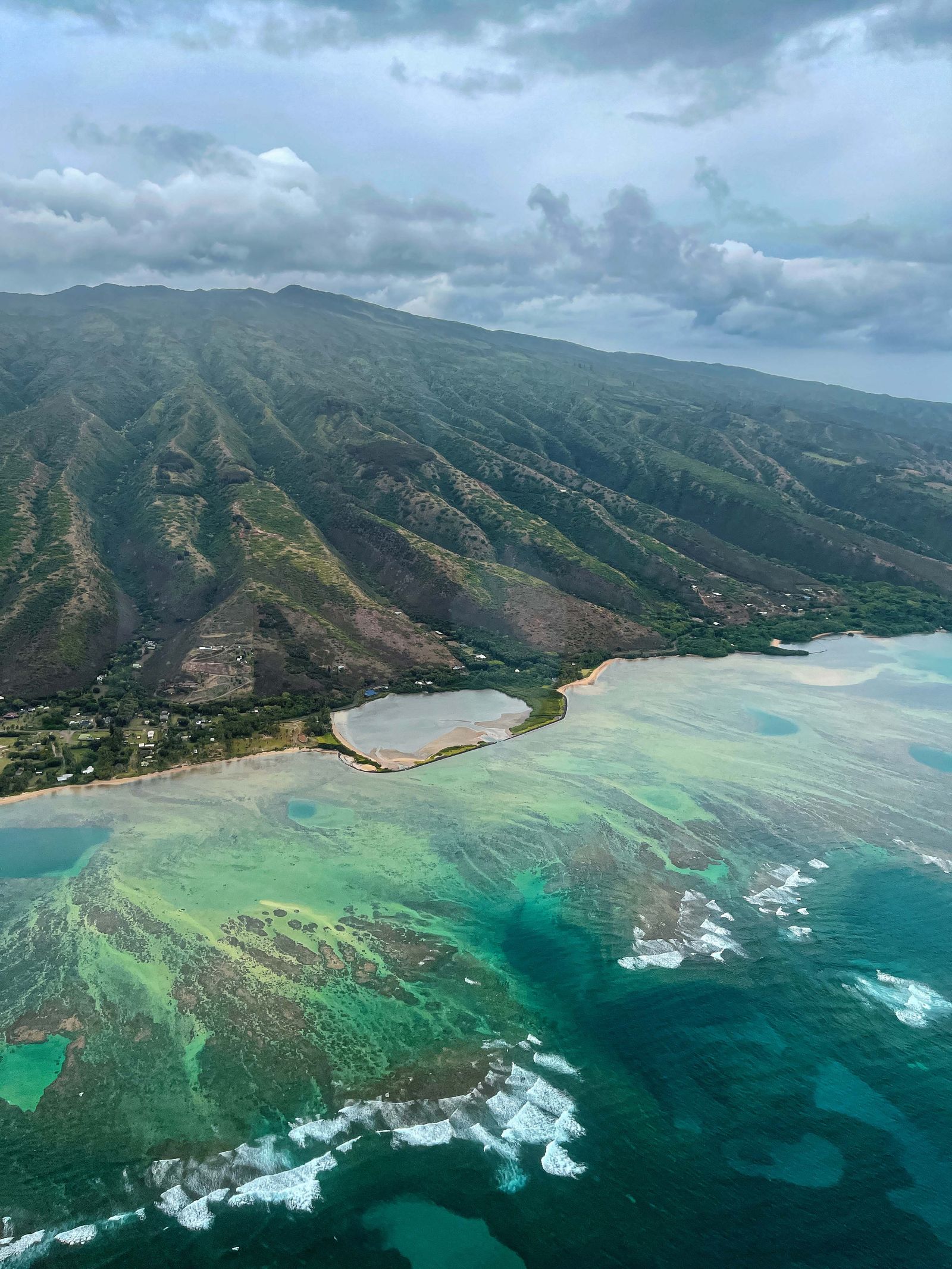
Breakfast at the hotel. Then, the Hana Adventure Tour.
The Road to Hana is 52 miles. It takes most of a day because the road itself is the destination - 620 curves and 59 one-lane bridges through a landscape that transitions from dry coastal scrub to dense tropical rainforest to volcanic black sand beaches to waterfalls that drop directly into the Pacific. There is no comparable drive in the United States and arguably nowhere else in the world where an ordinary paved road passes through this many distinct ecosystems in a single day.
What the Day Covers:
Ka'a State Park - the entry point into the Hana Highway's rainforest stretch, where the tree canopy closes over the road and the temperature drops 10 degrees in under a mile. Wailua Falls - a twin waterfall cascading 80 feet into a freshwater pool that is accessible from the road and frequently empty of other visitors in the early morning. Ke'anae Village - a traditional Hawaiian community on a lava peninsula that has been continuously inhabited for centuries and exists in deliberate contrast to the tourism infrastructure of the rest of the island. Wai'anapanapa State Park - the black sand beach. The sand is not metaphorically black. It is made of basalt volcanic rock ground by the Pacific surf over thousands of years, and the visual contrast between the black beach, the white foam, and the deep blue water is the single most photographed image in all of Maui travel. It earns it.
Lunch is included in the tour. Return to the hotel by evening. Dinner in Kihei - the last evening in Hawaii.
5:00 AM. The Airport. Then the Long Flight Home. Hawaii Stays in the Window Until It Doesn't.
Packed breakfast at the hotel, subject to hotel discretion.
Six days. Two islands. The history of the Pacific at Pearl Harbor, the full arc of Polynesian migration at the Cultural Center, the entire circumference of Oahu in eight hours, and 12 hours on the most remarkable coastal road in America.
Hawaii is the most isolated archipelago in the world - 2,400 miles from the nearest continental landmass in every direction. The people who first reached it navigated open ocean by starlight with no instruments and no map. What they found was worth the journey. It still is.