
Most people do Paris and go home. They see the Eiffel Tower, eat a croissant, take a photograph, and call it France. That is one way to spend eight days in Europe. It is not this way.
This itinerary starts in Paris - properly, not as a box-ticking exercise - then drives southeast through medieval lakeside villages, crosses into Switzerland without losing a beat, reaches a glacier at 3,000 metres, dips into Gstaad, and closes on the shores of Lake Annecy, which is the clearest freshwater lake in Europe and one of the most quietly stunning places on the continent.
Eight days. Two countries. One continuous thread. No wasted miles.
Paris at 8 PM. The City Is Already in Motion. You Just Have to Join It.
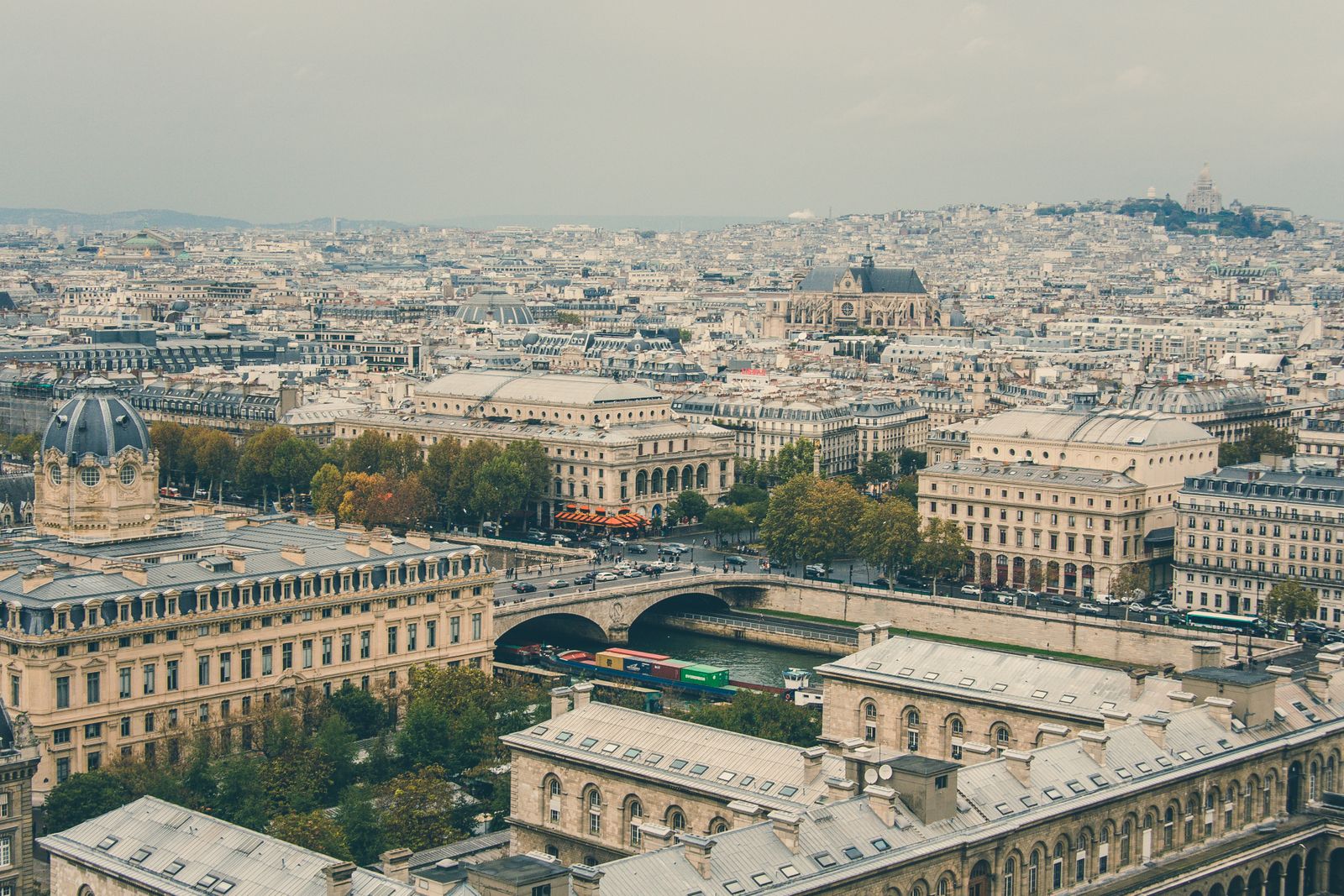
Emirates lands at Charles de Gaulle at 8:00 PM. Private transfer takes you to the hotel - approximately 30 to 45 minutes depending on traffic, which in Paris is always a variable worth acknowledging.
The hotel is Mercure Paris Centre Tour Eiffel. Central. That is the operative word. A hotel that is genuinely central in Paris saves you money every single day - on taxis, on Metros, on the time you don't spend commuting from the periphery to the places you came to see. Book centrally once and stop calculating the delta for the rest of the trip.
Check in. The evening is yours. If the jet lag hasn't landed yet, walk. Paris at night - even the block around your hotel - is a specific, unrepeatable version of the city. The boulevards empty slightly, the café terraces fill, the lights on the Haussmann facades turn warm and amber. You don't need a plan. You need a direction and comfortable shoes.
Two Parks. One Day. The Only Rule Is That You Arrive Before Everyone Else.
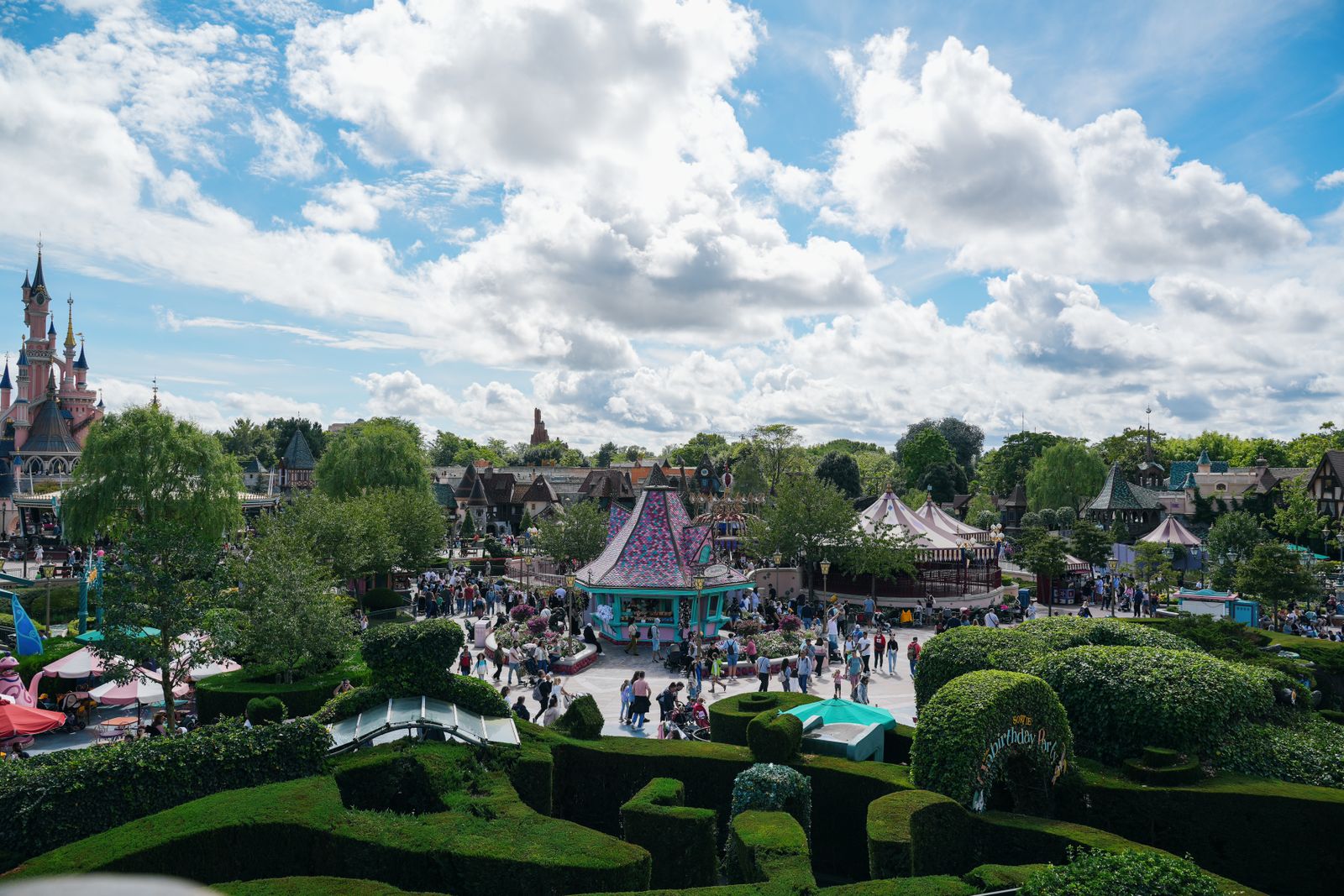
The ticket covers both parks: Disneyland Park and Walt Disney Studios. One day. That is the constraint - and the constraint is the point. Any Disneyland Paris itinerary that tries to be thorough loses. A traveler who is selective wins.
The train from Paris takes 45 minutes. The drive, if you prefer, is 40 kilometres. Either way, you need to be at the gate by 9:30 AM. The crowds at Disneyland Paris don't build linearly - they spike sharply around 10:30 AM, and every major attraction has a queue that doubles in the first hour of operation. Arrive before that curve, and you can cover the headline rides in the morning before the wait times make them prohibitive.
How to Use the Day:
Morning - hit the major rides in Disneyland Park before 12:00 PM. Afternoon - cross to Walt Disney Studios for the Avengers Campus and Remy's Ratatouille Adventure. Evening - stay for the Illuminations show, which runs after dark and is the most visually spectacular thing the park does. Then leave. Don't try to squeeze one more ride. Leave on the high note.
The Tower. The Bus. The River. Paris, Done Properly.
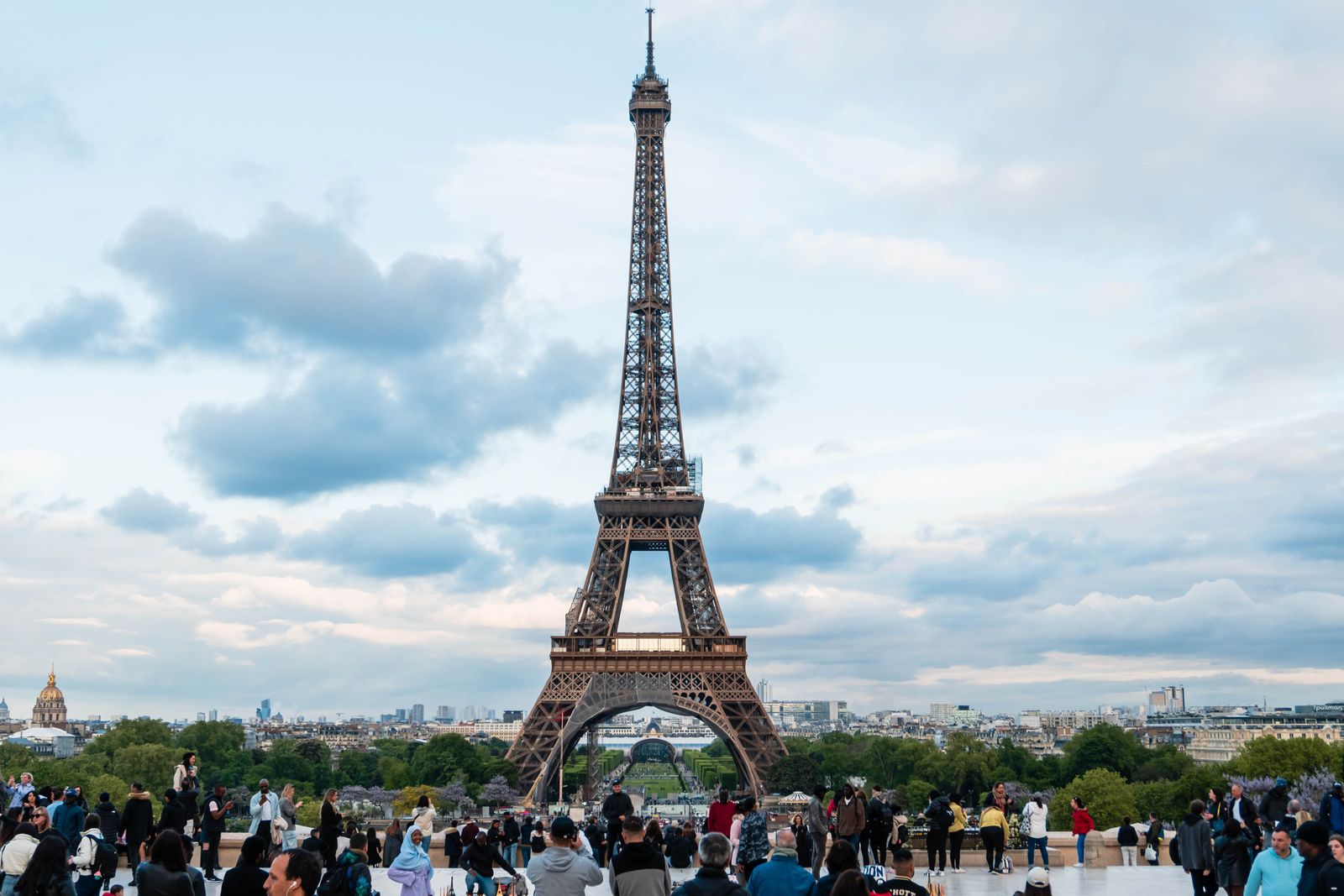
This is Paris, properly. Not a walk past the tower - up it. Book Eiffel Tower tickets for the top floor, by elevator, which changes what the city means. From the summit, at 276 metres, the geometry of Haussmann's redesign becomes completely legible. The twelve radiating avenues from the Arc de Triomphe. The Seine cutting diagonally through the grid. The way every major monument sits in deliberate relationship to the others. It is a masterclass in urban planning and it is only visible from above.
After the tower, the Big Bus Hop-On Hop-Off covers the remaining geography: the Louvre, Notre-Dame, the Marais, Montmartre. The optional Seine River Cruise adds a third angle - the city from the water, which is how Napoleon moved through it and how you should see it at least once.
Evening belongs to either the Champs-Élysées - wide, commercial, and essential to see once - or Montmartre, which is the opposite. Narrow lanes, artists, the Sacré-Cœur at the top of the hill, and the city spread out below in the last light. Choose based on how your feet feel. Both are correct.
600 Kilometres Southeast. A Medieval Village. Then Lake Geneva at Dusk.
Collect the rental minivan early. This is a driving day - 600 kilometres on the Autoroute A40, which is one of the great European drives: the highway descends from the French plateau into the Alpine foothills, and the mountains appear on the horizon around Lyon and don't leave the windscreen for the rest of the journey.
The stop is Yvoire, a lakeside medieval village on the southern shore of Lake Geneva that has been classified as one of the Most Beautiful Villages of France. This is not a tourism marketing designation - it is a formal national certification with specific architectural and preservation criteria. Yvoire meets all of them. The 14th-century ramparts are intact. The flower-covered stone houses are original. The lake view from the village promontory is the kind of view that ends up on people's walls.
Evening: arrive in Évian-les-Bains. Walk the promenade along Lake Geneva. The lake at this hour - calm, wide, with the Swiss Alps rising on the opposite shore - resets whatever the drive did to you. Check in to the hotel. Tomorrow is an early and substantial day.
A Glacier at 3,000 Metres. Then Grindelwald. Then You Drive Home Through the Alps.
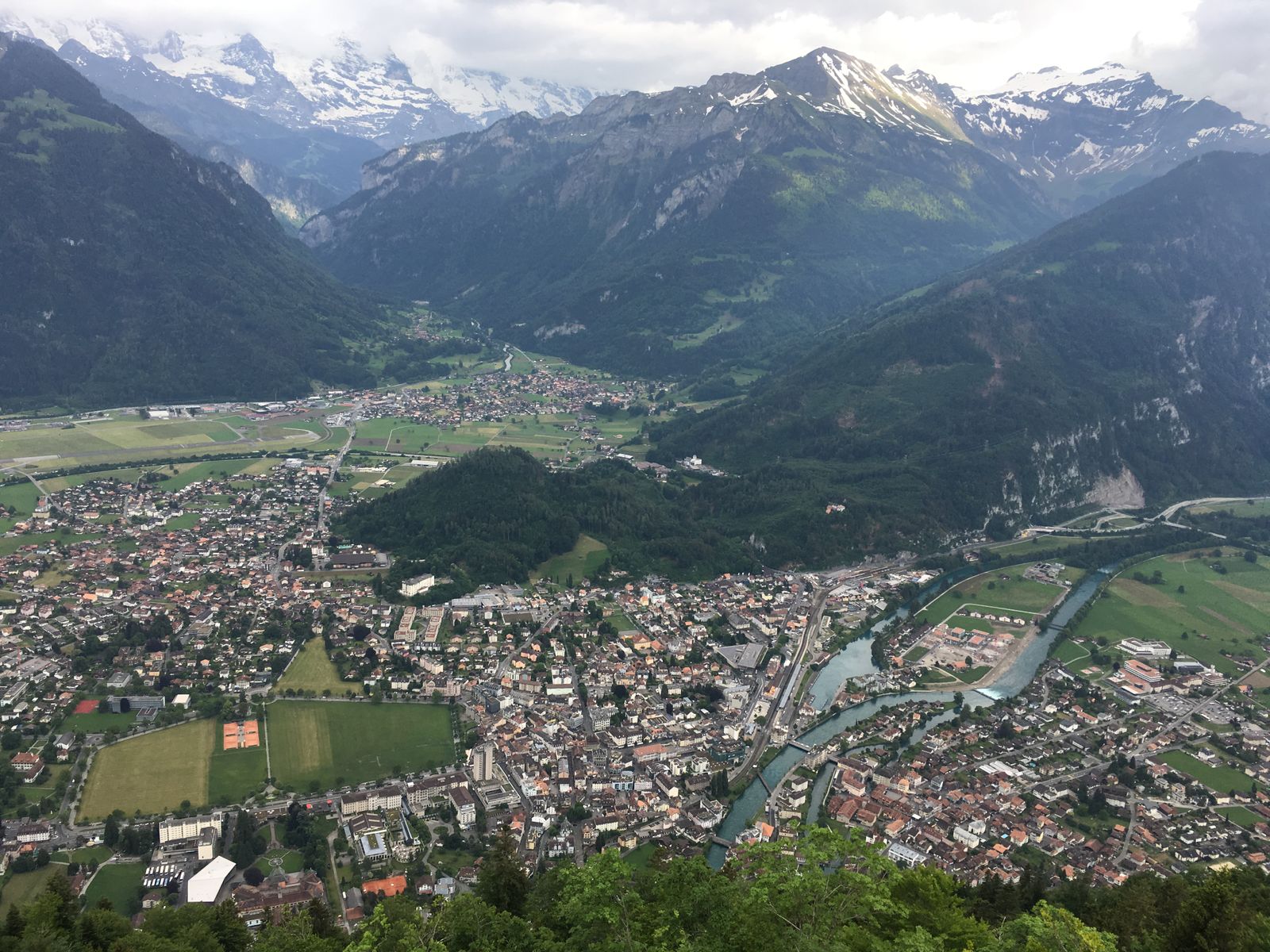
This is the mountain day. It is also the longest day. The route - Évian to Col du Pillon, then Interlaken, then Grindelwald, then back - covers approximately 400 kilometres and six hours of driving. You are not doing this for the road. You are doing it for what the road takes you to.
A Glacier 3000 day trip sits above the Col du Pillon pass at 3,000 metres. The experience includes the two-stage cable car ascent, a permanent snow field, and the Alpine Coaster - a toboggan run on the glacier that operates regardless of season and is exactly as ridiculous and enjoyable as it sounds. The Peak Walk, a suspension bridge between two mountain summits, is the only such bridge between Alpine peaks in the world. On a clear day, it puts you in sight of four different Alpine regions simultaneously.
After descending, the drive continues to Interlaken. The Harder Kulm gondola provides the panoramic viewing platform - the town below, the two lakes, the Eiger visible on the eastern horizon. Then east to Grindelwald, the alpine village that sits directly beneath the north face of the Eiger. Walk the main street. Have coffee. Understand why people have been coming here for 200 years.
Gstaad Is a Village That Chose Itself Very Carefully. Spend a Day Inside That Choice.
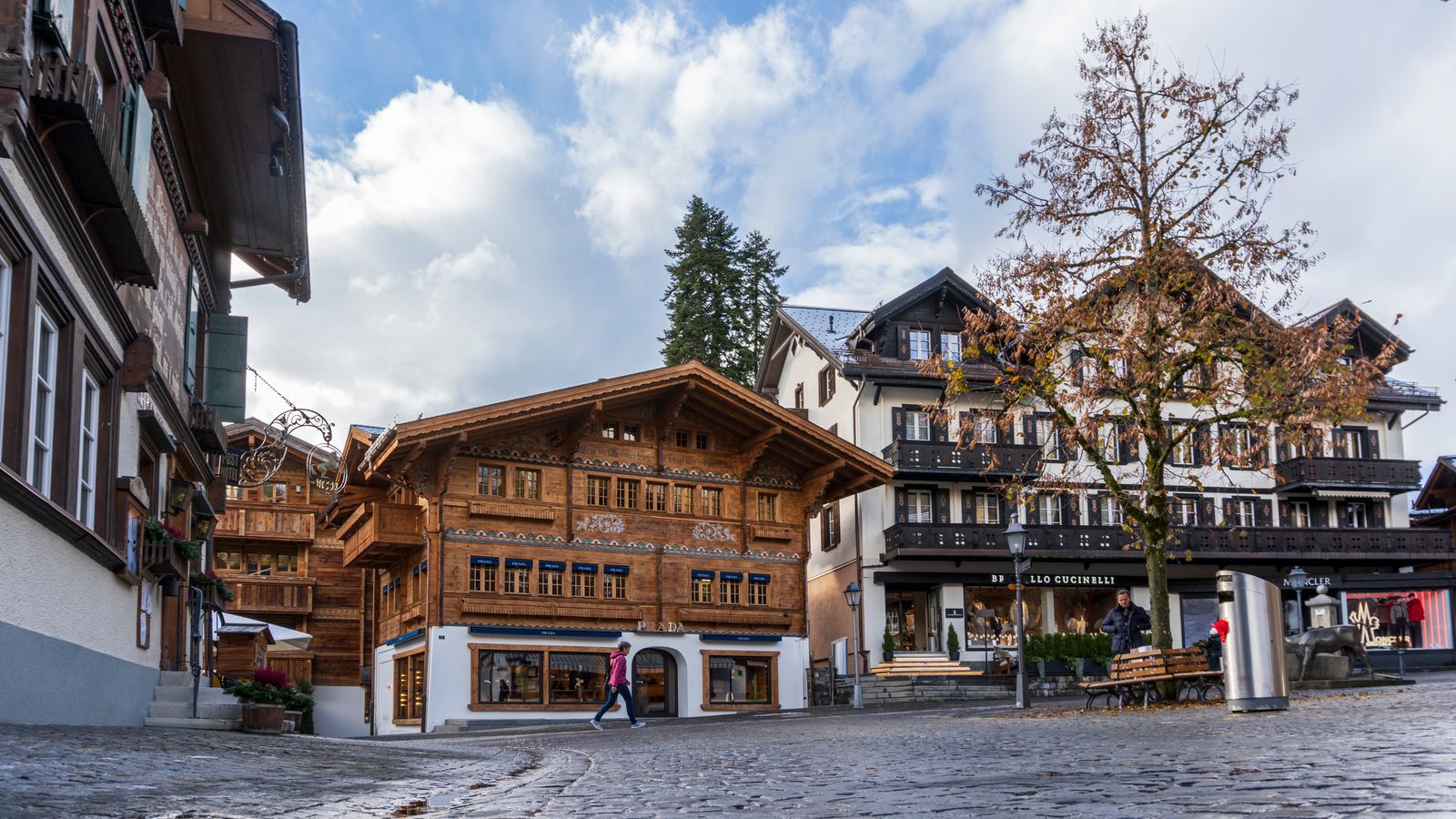
Day 6 offers two options. Both require a 2-hour drive from Évian and both return to the same hotel. Choose based on what Day 5 left you wanting more of.
Option A: Migros Festival / Schönried. If the mountains haven't finished with you, the Migros Festival in Schönried - an open-air classical and contemporary music event in an Alpine setting - is one of the more unusual cultural experiences available in this region. Outdoor concerts, mountain backdrop, Swiss picnic conditions. It operates on a specific schedule; confirm dates in advance.
Option B: Gstaad. This is the more reliable choice. Gstaad is a Swiss mountain village that has managed, through deliberate planning and strict architectural preservation, to remain a village while becoming one of the most recognized addresses in the world. The main Promenade runs for about 800 metres. Luxury boutiques operate from the ground floors of original wooden chalets. The Saanen Church dates from the 15th century. The surrounding hiking trails access ridge viewpoints that look directly into the Bernese Oberland.
Walk it. Have lunch. Take the trail if your legs are willing. Drive back through the Bernese countryside, which is - at this latitude, in this light - one of the most beautiful stretches of road in Europe.
Chocolate. Vineyards. A Castle on a Lake. Switzerland Saves Its Best for Last.
The route today runs approximately 200 kilometres and covers three places that feel, in sequence, like Switzerland revealing itself in layers.
Montreux first. The town sits on Lake Geneva at the point where the lake bends, giving it a waterfront promenade that runs for several kilometres with unobstructed mountain views. The Jazz Festival posters are still on the walls even when the festival isn't running. Freddie Mercury stood here for 12 years and found it productive. The bronze statue on the lakefront explains why.
Vevey next - quieter than Montreux, more genuinely Swiss, and the access point for the Lavaux wine terraces, a UNESCO-listed vineyard landscape carved into the hillsides above Lake Geneva. The terraces have been cultivated since the 11th century and the hiking path through them is one of the more thoughtfully beautiful walks in the country.
Chillon Castle, on the lake's edge between Vevey and Montreux, has been continuously occupied since the Bronze Age. Byron carved his name into a column in the dungeon. The lake views from the battlements are the kind that make medieval fortification seem like an excellent life choice.
Then, inland to Gruyères - the hilltop medieval village and the source of the cheese that has been copied everywhere and perfected nowhere else. The Maison Cailler chocolate factory tour runs through the history of Swiss chocolate with considerably more craft than you'd expect from a factory experience.
The Last Day. Annecy. The Clearest Lake in Europe. No Agenda Required.
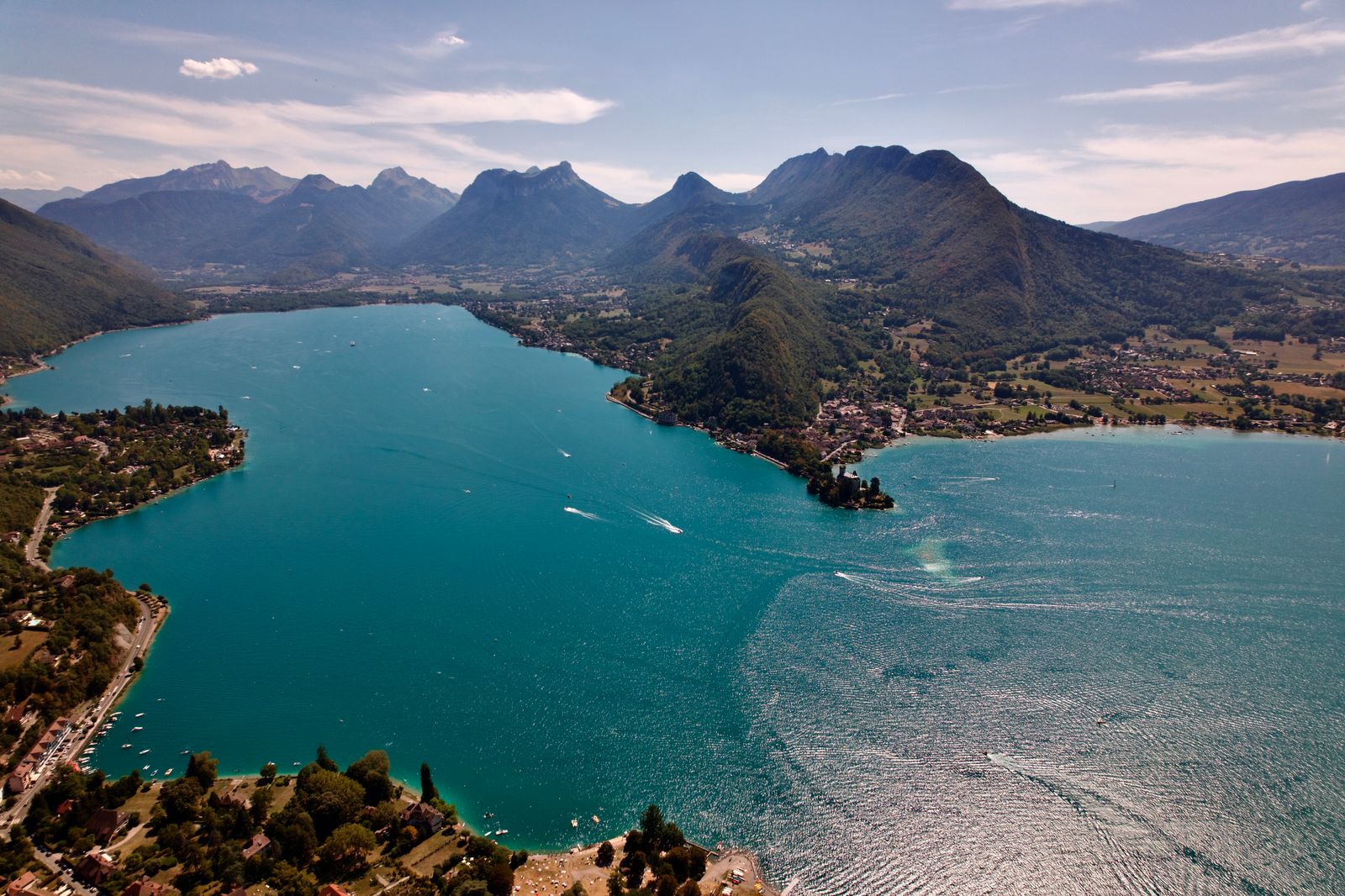
The final day is deliberately open.
Annecy is 80 kilometres from Évian - a 90-minute drive through French Alpine foothills that is itself worth the journey. The town is built on canals that drain from the lake, giving it an Old Town - the Vieille Ville - that is threaded with waterways, arched bridges, and geranium-lined facades. The Palais de l'Isle sits in the middle of the main canal on a small island, has been a palace, a prison, and a mint, and is currently a museum. It is the most photographed building in Annecy and the photograph never captures it properly. Go in person.
Then, the lake. Lake Annecy France calls the cleanest freshwater lake in Europe - a designation earned through a 1960s environmental protection programme that removed all agricultural and industrial runoff from the watershed before most countries had even considered the concept. The water is a specific shade of turquoise that looks implausible in photographs and even more implausible in person. Take a boat. Paddle on it. Swim if the temperature allows. This is the correct ending to eight days that have moved through Disney magic, Eiffel iron, Alpine glaciers, and Swiss chocolate.
Drive back to Évian in the late afternoon. Let the day close without rushing it.