
Australia has a scale problem - and it is not the kind that can be solved by planning harder.
The continent is 7.7 million square kilometers. The distance from Melbourne to Cairns is roughly the same as London to Nairobi. The distance from Cairns to Sydney covers more coastline than the entire Mediterranean shore of France, Spain, and Italy combined.
No eight-day itinerary covers Australia. This one is not trying to.
What it does instead is more useful: it selects four cities that represent four genuinely different versions of what Australia is, and sequences them in an order that makes each one earn its position. Melbourne's urban density and cultural confidence. Cairns as the gateway to two of the world's most irreplaceable natural systems - the Great Barrier Reef and the Daintree Rainforest. The Gold Coast's engineered entertainment at full scale. Sydney, which closes the trip in the only city on earth with an opera house and a harbour bridge sharing the same frame at sunset.
Eight days. Four cities. The itinerary is not about covering the continent. It is about covering it well.
This itinerary was built on that acceptance.
The City That Takes Its Own Culture Seriously. Start Here.
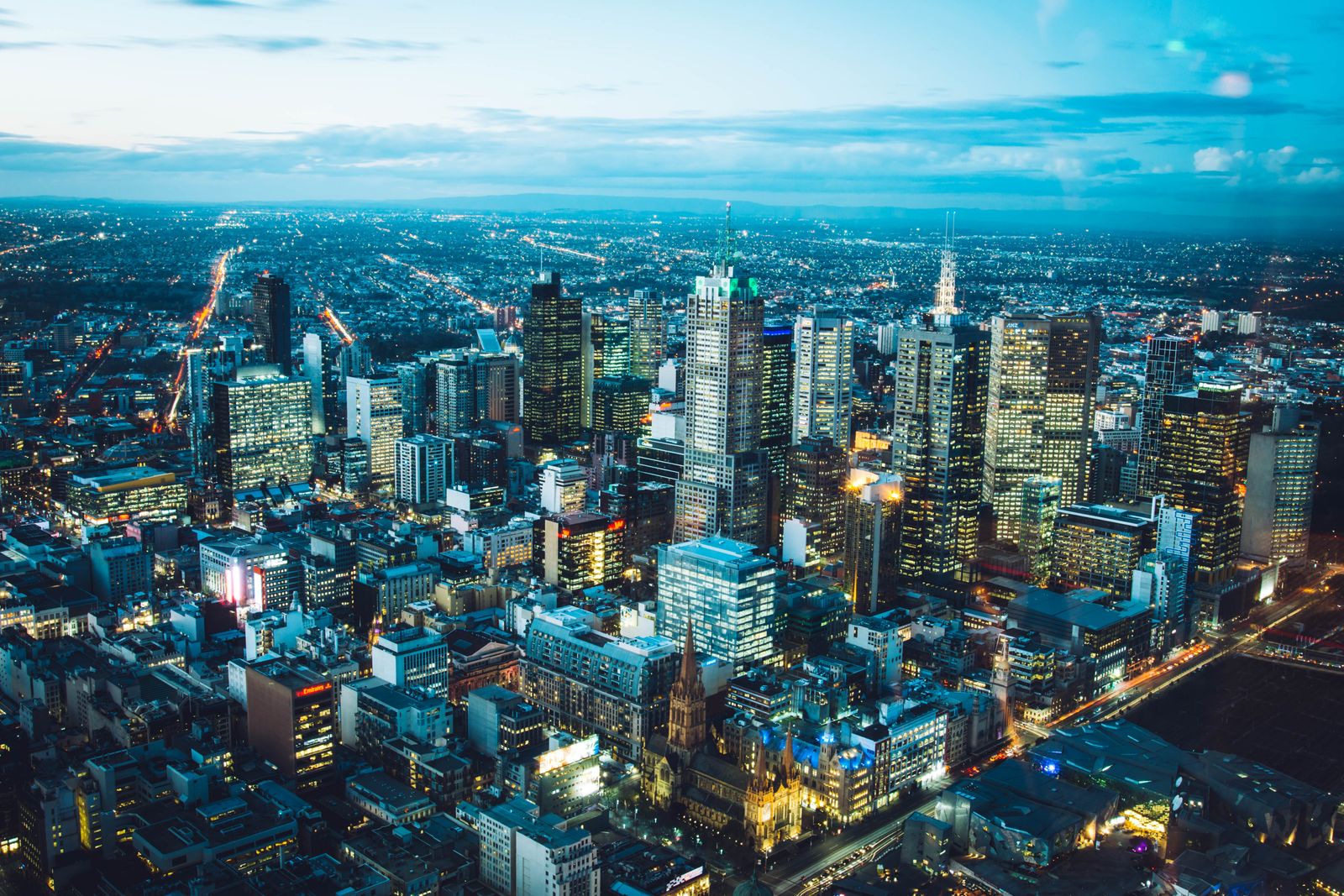
Melbourne's opening argument is its skyline - dense, confident, lit in a way that cities which take themselves seriously tend to be.
The Melbourne City Sights tour is the correct starting point: a structured introduction to a city whose character is distributed across its neighborhoods rather than concentrated in a single landmark. Fitzroy is not the CBD. St Kilda is not Fitzroy. The Melbourne Cricket Ground anchors the sporting culture. Federation Square anchors the civic one. The Royal Botanic Gardens sit across the river from both, operating on an entirely different logic.
The tour connects these without requiring the traveler to already understand the map. Day one in any new city is about building that spatial reference. Melbourne rewards the investment.
The Great Ocean Road australia itinerary. One of the World's Great Drives. In Full.
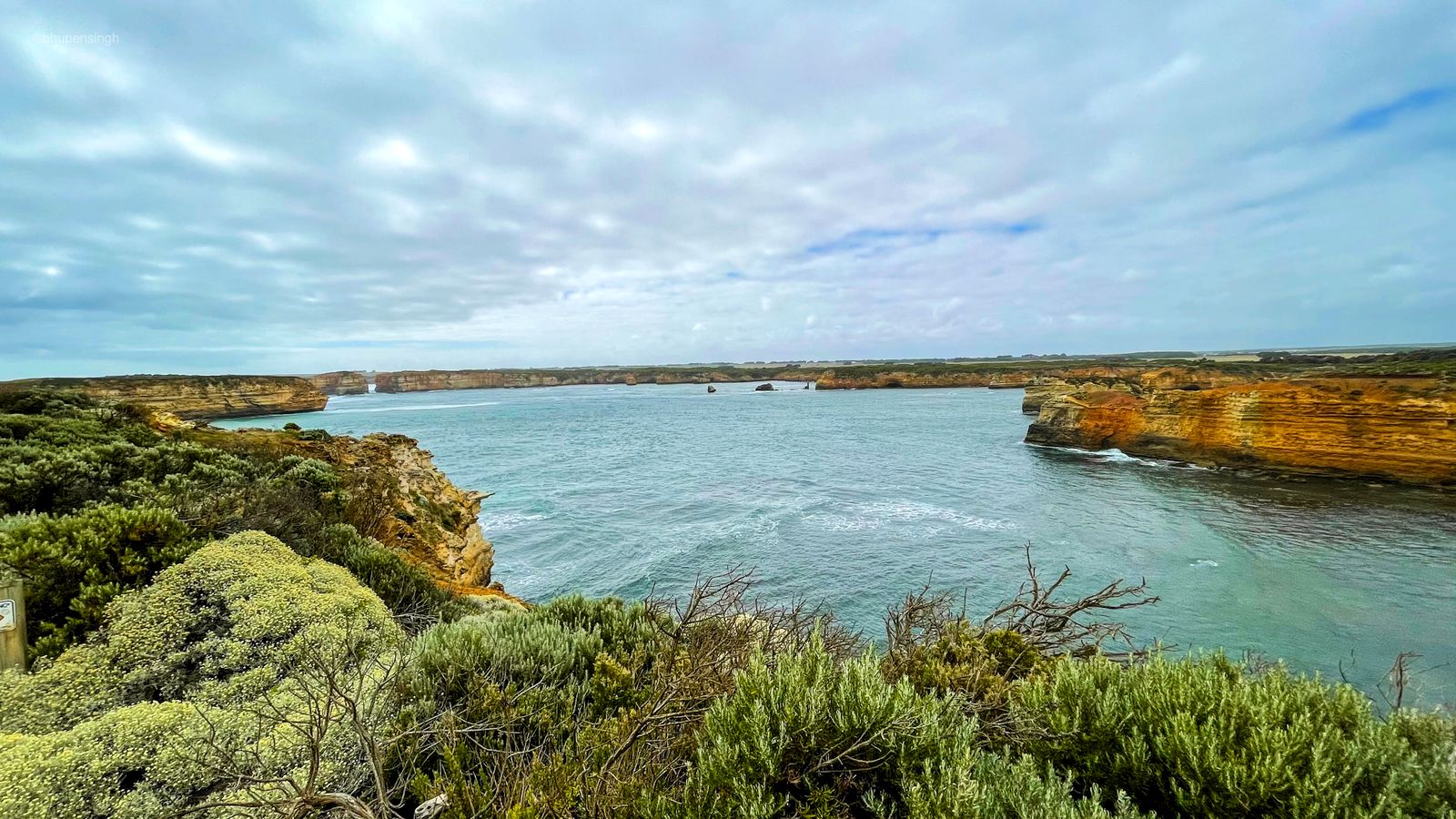
The Great Ocean Road was built by returning soldiers between 1919 and 1932 as a memorial to those who did not come back. It is 243 kilometres of coastal highway carved into cliff faces and through rainforest - simultaneously one of the most significant engineering achievements in Australian history and one of the most visually arresting drives on earth.
The boutique reverse-direction tour is the structurally superior choice. Starting from the Twelve Apostles and driving back toward Melbourne means arriving at the most dramatic geological feature of the road - the limestone stacks standing in the Southern Ocean - before the tour buses from the city reach them. The difference in experience is significant.
What the Day Covers:
The Twelve Apostles - eight stacks remaining, each one an argument against the idea that natural sculpture requires a sculptor. Loch Ard Gorge, where the currents that built the coast are still doing the same work. Surf beaches that have been running for longer than the road that frames them. Temperate rainforest that has no equivalent north of the snowline. Seaside towns that operate on the logic that the ocean is the main event and everything else is secondary.
Green Island. The Great Barrier Reef, Without the Crowds.
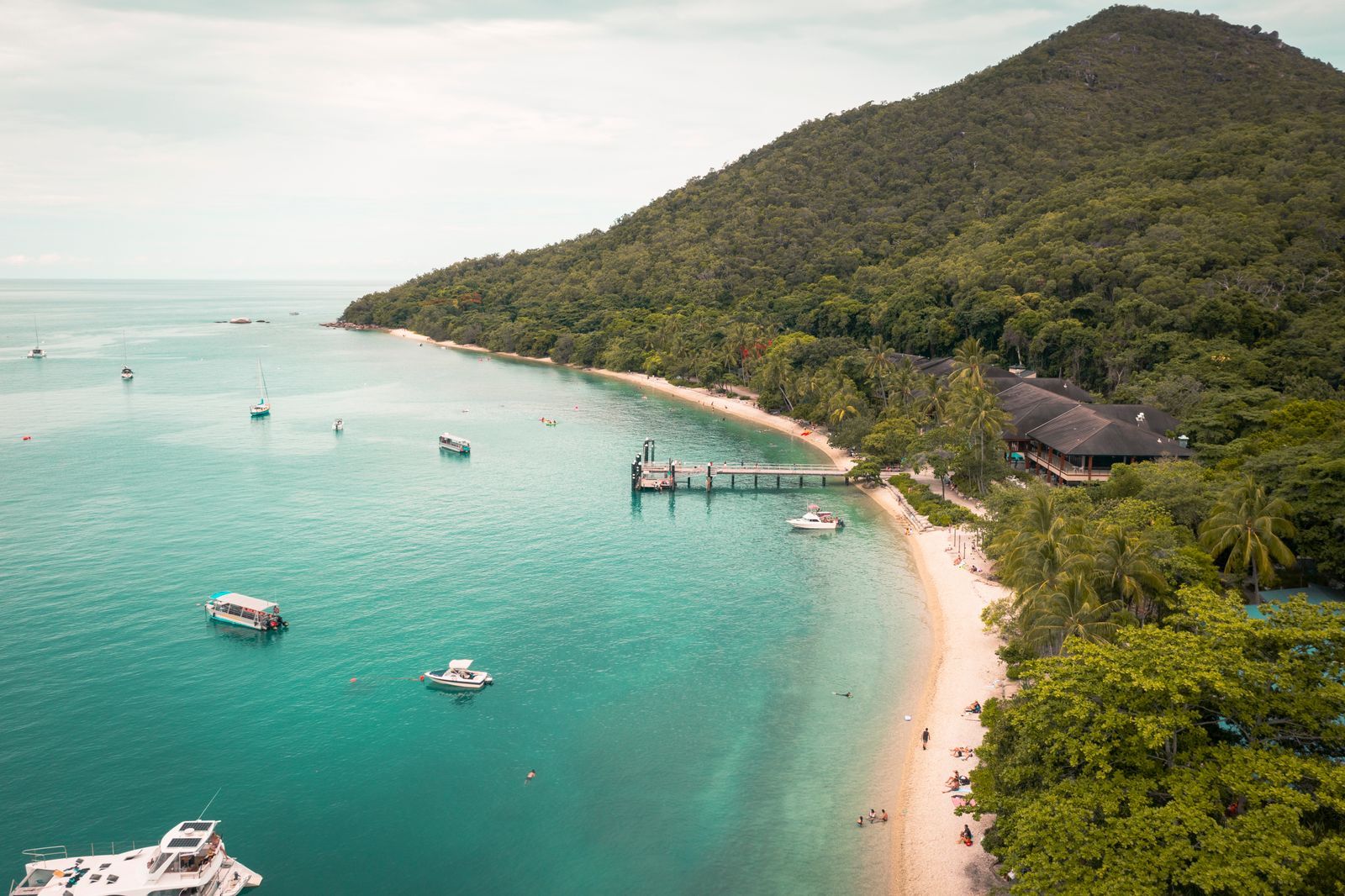
The Great Barrier Reef is the largest living structure on earth. It is 2,300 kilometres long, visible from space, and home to 1,500 species of fish, 4,000 species of mollusc, and coral systems that have been building for 500,000 years.
None of those statistics prepare you for arriving at Green Island at 9:00 AM on a clear morning and looking down through water so transparent it appears not to exist.
Green Island is a coral cay - an island formed from coral debris - sitting 27 kilometres northeast of Cairns directly on the outer reef. The snorkelling begins 50 metres from the beach. The semi-submarine tour provides the same perspective for those who prefer to stay dry, with floor-to-ceiling windows running along the hull that place the reef in a frame that photographs have never quite managed.
The reef's bleaching events are real and documented. The sections of the reef accessible from Green Island remain among the most intact. Going now, rather than later, is the correct decision.
Kuranda. A Rainforest That Predates the Dinosaurs. By Train and Cable Car.
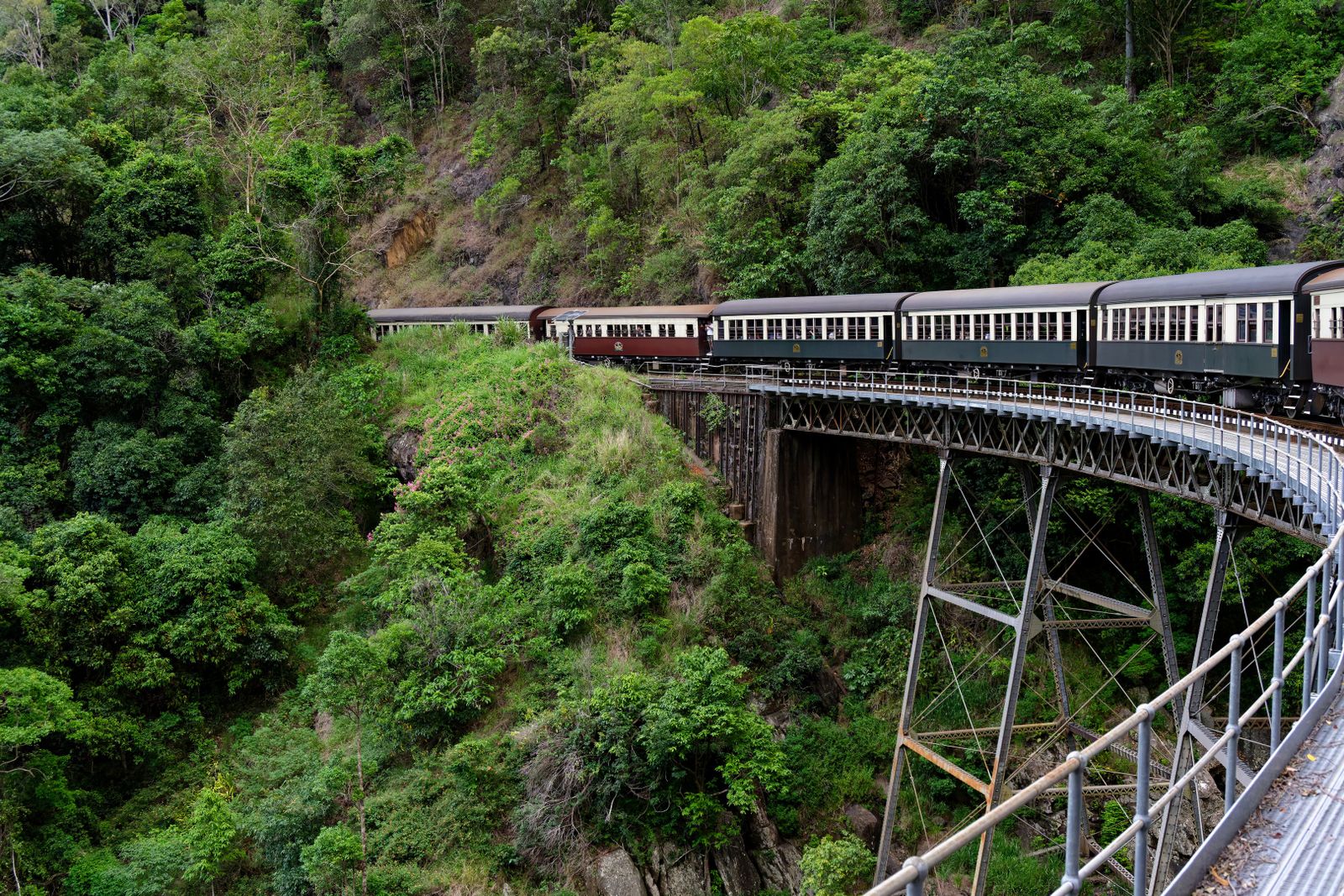
The Daintree Rainforest is 135 million years old.
That number requires a reference point: when the Daintree began growing, the continent that would become Australia was still attached to Antarctica. The dinosaurs were still 65 million years from extinction. The trees here predate the Amazon by 100 million years.
The Kuranda experience approaches this system from two directions simultaneously - and the logic of doing both is structural rather than cosmetic. The Scenic Railway climbs 328 metres through 15 hand-dug tunnels and across carved mountain ledges, built between 1882 and 1891 by workers using only hand tools and explosive charges. The journey takes 75 minutes. Every metre of it was built at a cost the railway's builders did not always survive.
The Skyrail Rainforest Cableway returns across the same canopy from above - 7.5 kilometres of gondola over a forest that absorbs the gondola without noticing it. The two perspectives together produce something neither delivers alone: a complete spatial understanding of what 135 million years of uninterrupted growth actually looks like.
Kuranda Village offers markets, wildlife parks, and Aboriginal cultural performances. The forest is the main event. Everything else is useful context.
Movie World. Hollywood on the Queensland Coast. No Apologies.
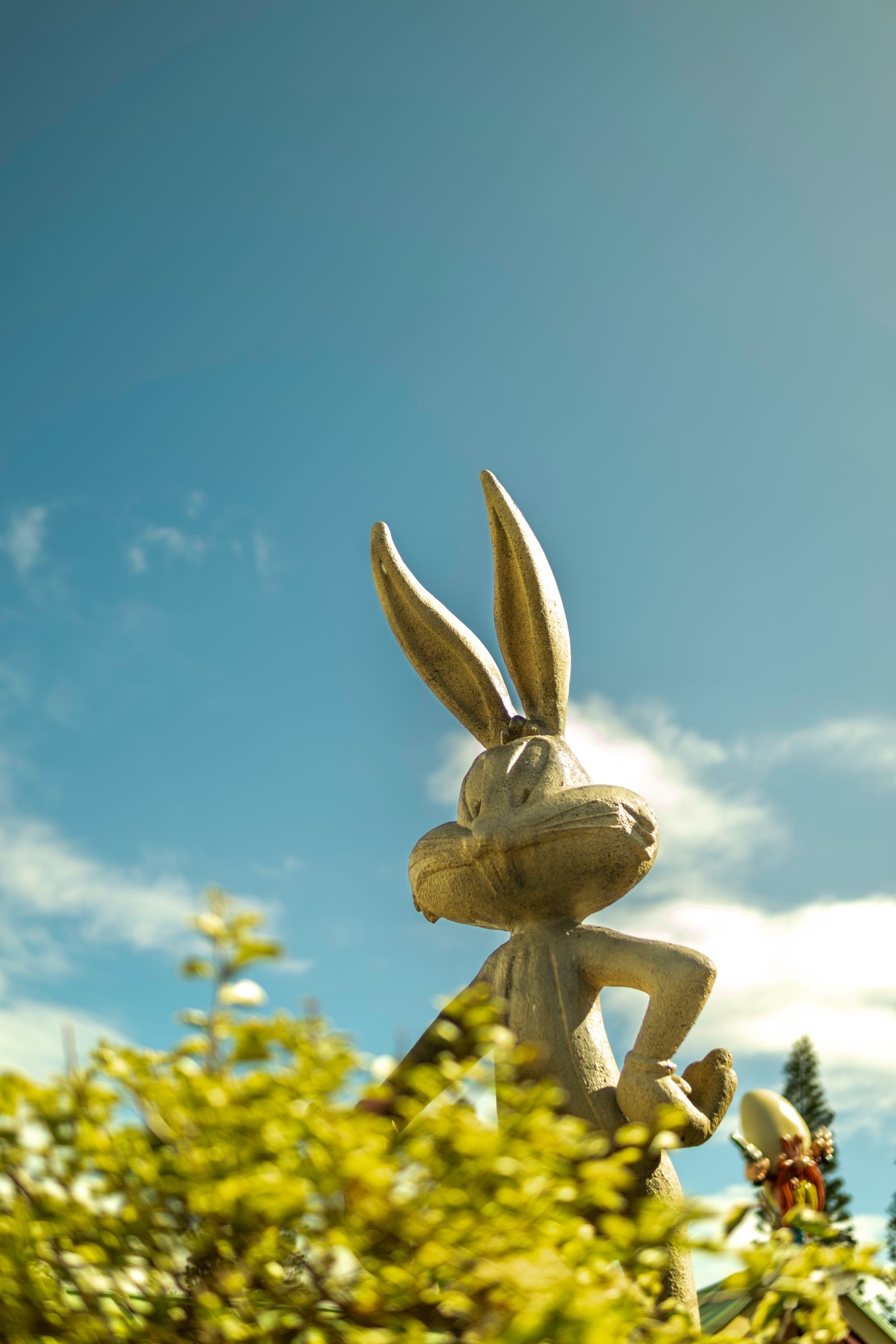
Two days in the world's oldest rainforest and on the Great Barrier Reef produce a specific kind of calibration - the kind where scale and geological time recalibrate every other measurement.
The Gold Coast corrects this deliberately.
Movie World is not trying to compete with the reef or the rainforest. It is operating in an entirely different register - engineered entertainment at full Australian scale, where the DC universe, the Looney Tunes characters, and a steel coaster that reaches 115 km/h exist in the same complex without contradiction.
The 5-Day All-Parks Access Pass is the correct format for the Gold Coast leg. Movie World today. Sea World tomorrow. The pass removes the per-day decision overhead and provides full flexibility across the precinct.
Sea World. Marine Life at a Scale That Changes the Reference Point.
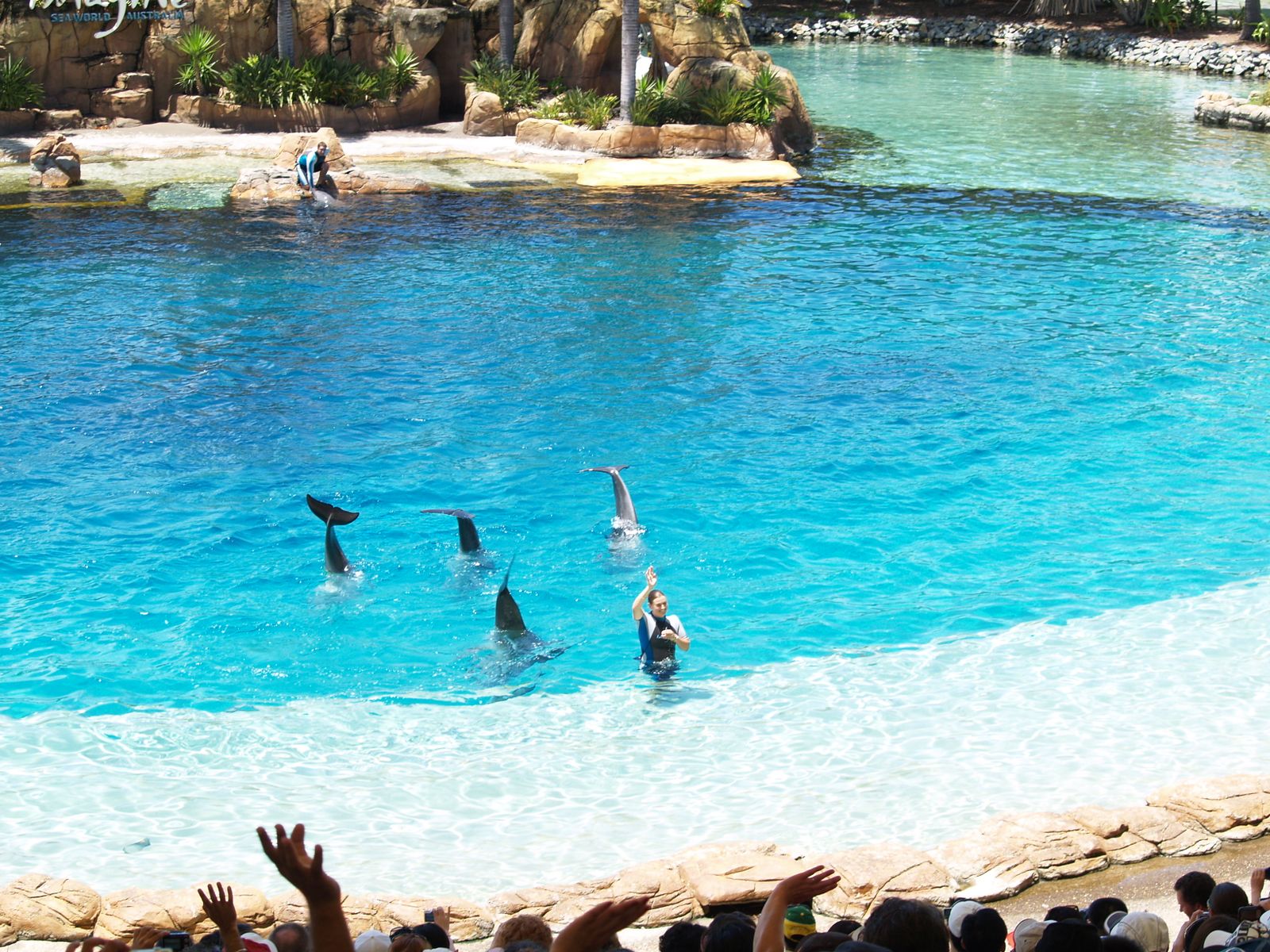
Sea World Gold Coast has been operating since 1971. It predates the term "marine theme park" as a category.
What it delivers in 2026 is more layered than the original format: dolphin and seal performances alongside genuine marine research programs, a shark encounter that places visitors inside the tank via a transparent tunnel, polar bear habitat as a functioning conservation exhibit, and family ride infrastructure that has been upgraded continuously since the original opening.
The day before was engineered spectacle without apology. Sea World sits at the intersection of entertainment and marine science - a combination that produces something neither a pure theme park nor a pure aquarium can match independently.
The All-Parks Pass covers entry. Shuttle transfers run from the hotel. The day is self-directed once inside.
The Harbour. The Opera House. The City That Earns Every Photograph.
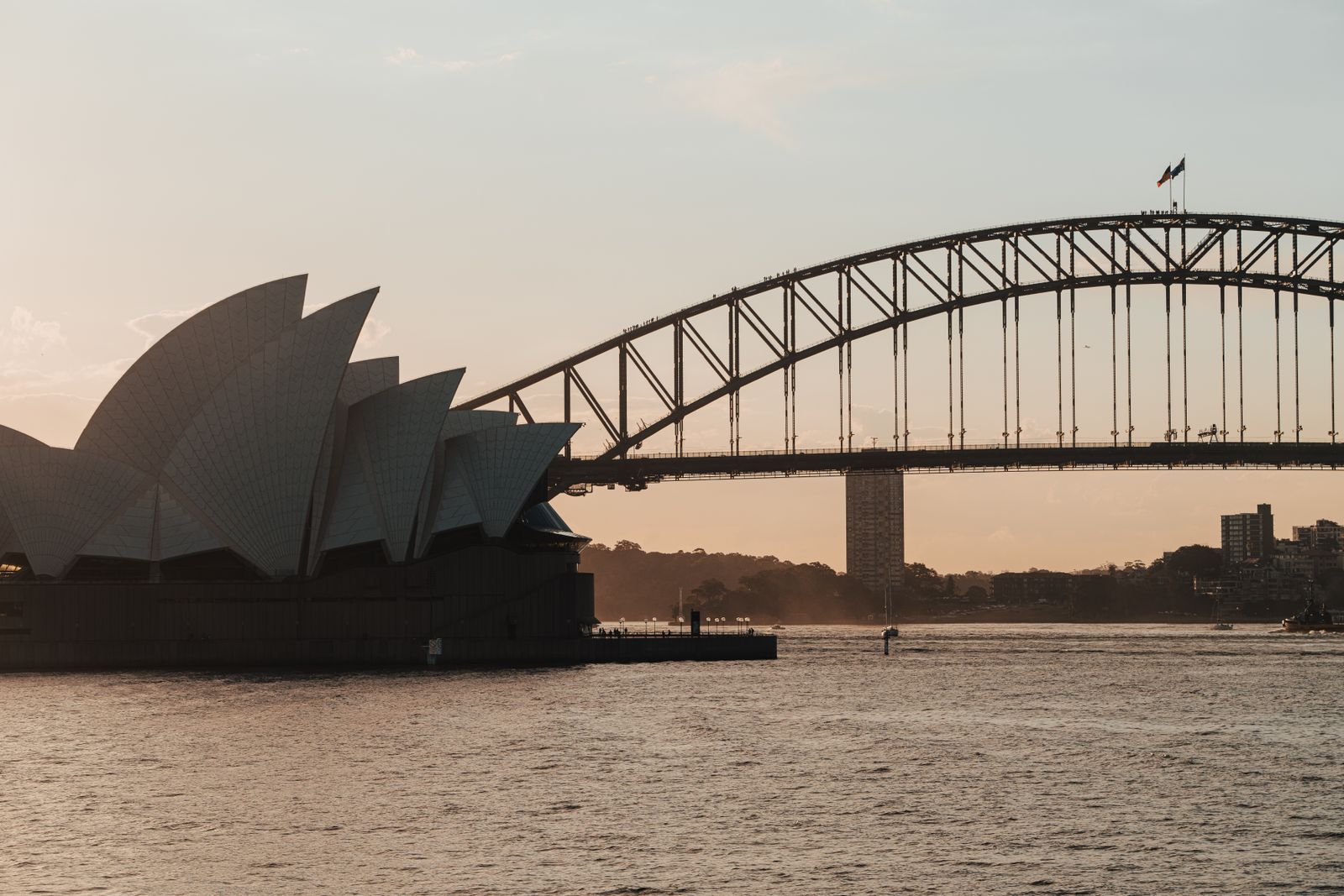
Sydney Harbour is one of the few places on earth where the iconic image and the actual experience are in complete agreement.
The Opera House does not disappoint when seen in person. The Harbour Bridge at sunset resolves the question of whether photographs have been overselling it. The answer is no. They have been underselling it.
The Big Bus Sydney 24-Hour Ticket provides the spatial orientation the city requires before anything else. Sydney is not compact - Bondi is 8 kilometres from the CBD, Darling Harbour is on the western waterfront, Circular Quay is in the east, and the northern beaches require the ferry. The Big Bus covers the arc of the city before the afternoon narrows to a single focus.
The Sydney Opera House Tour in the afternoon is the correct structure for the day's second half. The guided interior tour goes where the public cannot access independently - the concert halls, the backstage areas, the architecture that Jørn Utzon designed and then never saw completed after his resignation in 1966. The building is more interesting once you understand the story behind it.
Port Stephens. Dolphins, Sand Dunes, and the Coast Before Sydney Claimed It.
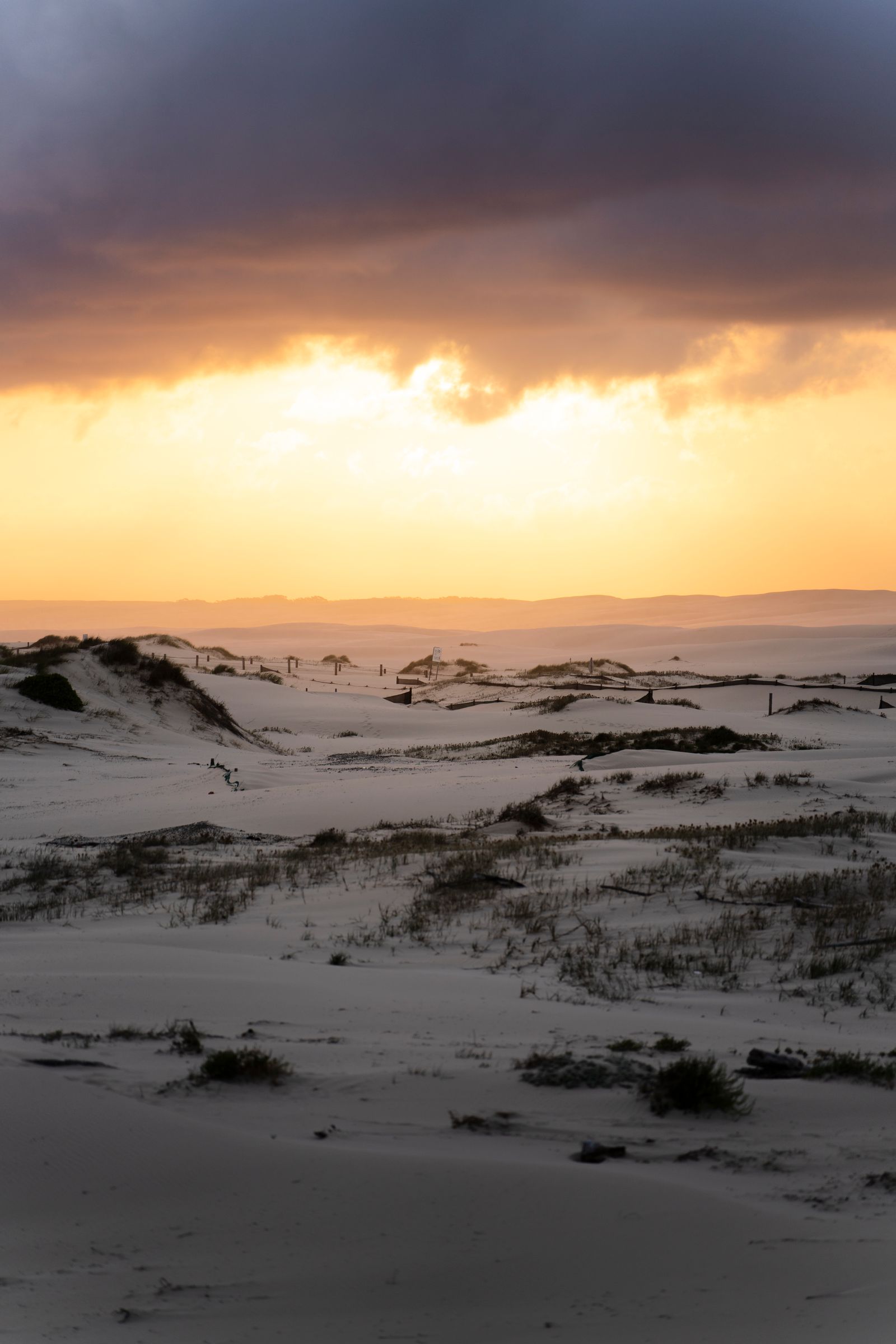
Port Stephens is two hours north of Sydney by road.
It operates as though it is considerably further - a coastal system of 26 beaches, a bay that holds the largest migrating pod of bottlenose dolphins in the Southern Hemisphere, and sand dunes that rise 30 metres above the coastline and have been forming since the last Ice Age.
The Port Stephens Experience from Sydney combines the coastal drive north with a dolphin-watching cruise on the bay - the pod here is not a managed attraction; it is a wild population that uses the bay as a year-round habitat - sandboarding on the Stockton Bight dunes, and time on beaches that have the kind of quiet that coastal destinations near major cities rarely retain.
Day eight closes the itinerary in the correct register. The trip began with Melbourne's urban intelligence and the Great Ocean Road's geological drama. It closes with something that does not require engineering, management, or a ticket to be exactly what it is.