
The Netherlands is the most efficiently designed country in Europe. Not in the bureaucratic sense - in the geographical one.
Twenty-six percent of the country sits below sea level. The Dutch did not adapt to this fact. They engineered around it over four centuries, building a system of dikes, polders, and water management infrastructure that keeps 17 million people dry in a country that should, by the laws of hydrology, be a shallow inlet of the North Sea. The windmills at Zaanse Schans are not decorative heritage. They were the hydraulic pumps that made the land habitable. The canals of Amsterdam were not designed for tourists on evening cruise boats. They were the arterial trade routes of the world's first global trading company - the Dutch East India Company, which operated a commercial empire across three continents from a city of 100,000 people in the 17th century.
Four days in the Netherlands, done correctly, covers the history, the engineering, the landscape, and enough Dutch beer to form a considered opinion of the country. This itinerary covers all four.
The Netherlands is the country most people miss completely. This itinerary fixes that.
The City Arrives by Canal. So Should You.
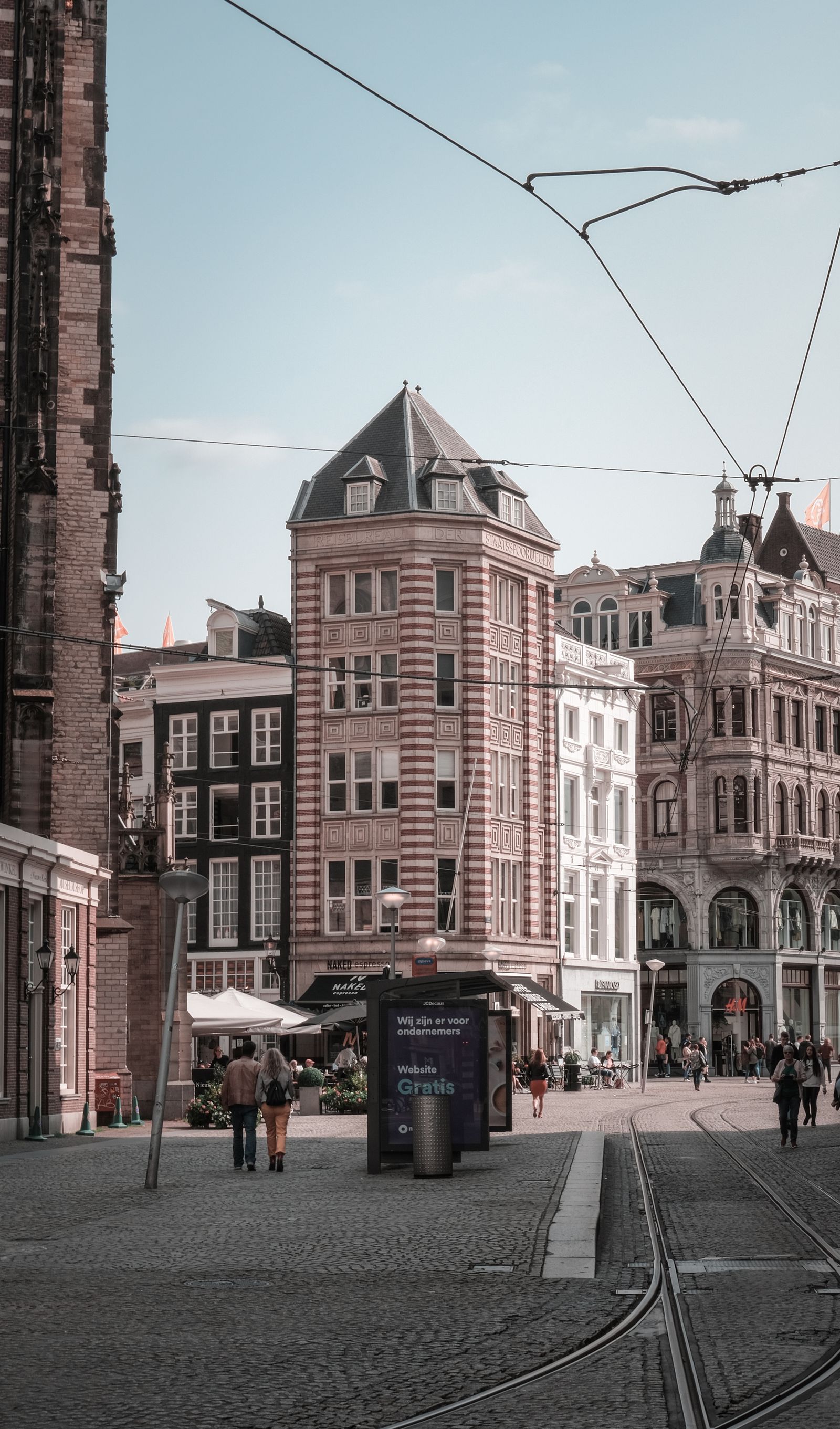
Amsterdam Schiphol Airport sits below sea level - specifically, 3.4 metres below, on the drained bed of the Haarlemmermeer lake that was pumped dry between 1849 and 1852 using steam-powered windmills. The fact that a major international airport occupies what was a lake 170 years ago is the correct introduction to Dutch hydraulic engineering and to the country's relationship with the geography it was given and decided to improve.
Meet and greet with the local representative on arrival. Transfer to the Mövenpick Hotel Amsterdam City Centre - positioned directly on the IJ waterfront, opposite Centraal Station, with the canal ring beginning immediately to the south.
Lunch at the Indian restaurant. Check-in from 15:00.
The three main canals - Herengracht, Keizersgracht, and Prinsengracht - were dug simultaneously between 1613 and 1625 as part of a single urban planning exercise. The city expanded its footprint by a factor of four in twelve years, building 90 islands, 1,500 bridges, and a canal system that is still functioning as originally designed and was designated a UNESCO World Heritage site in 2010.
The 1-hour Private Canal Cruise at the end of the afternoon reads the city from the water - the correct orientation for a first evening in Amsterdam. The canal-level view of the gabled facades, the houseboats moored along the Prinsengracht, and the bridge arches at dusk is the version of Amsterdam that the street-level perspective does not provide. Private means the guide focuses on the group's questions rather than a pre-scripted route. The timing - late afternoon into early evening - captures the light before it disappears and the canal life before it empties for the night.
The Windmills Were the Technology. The Cheese and the Clogs Came After.
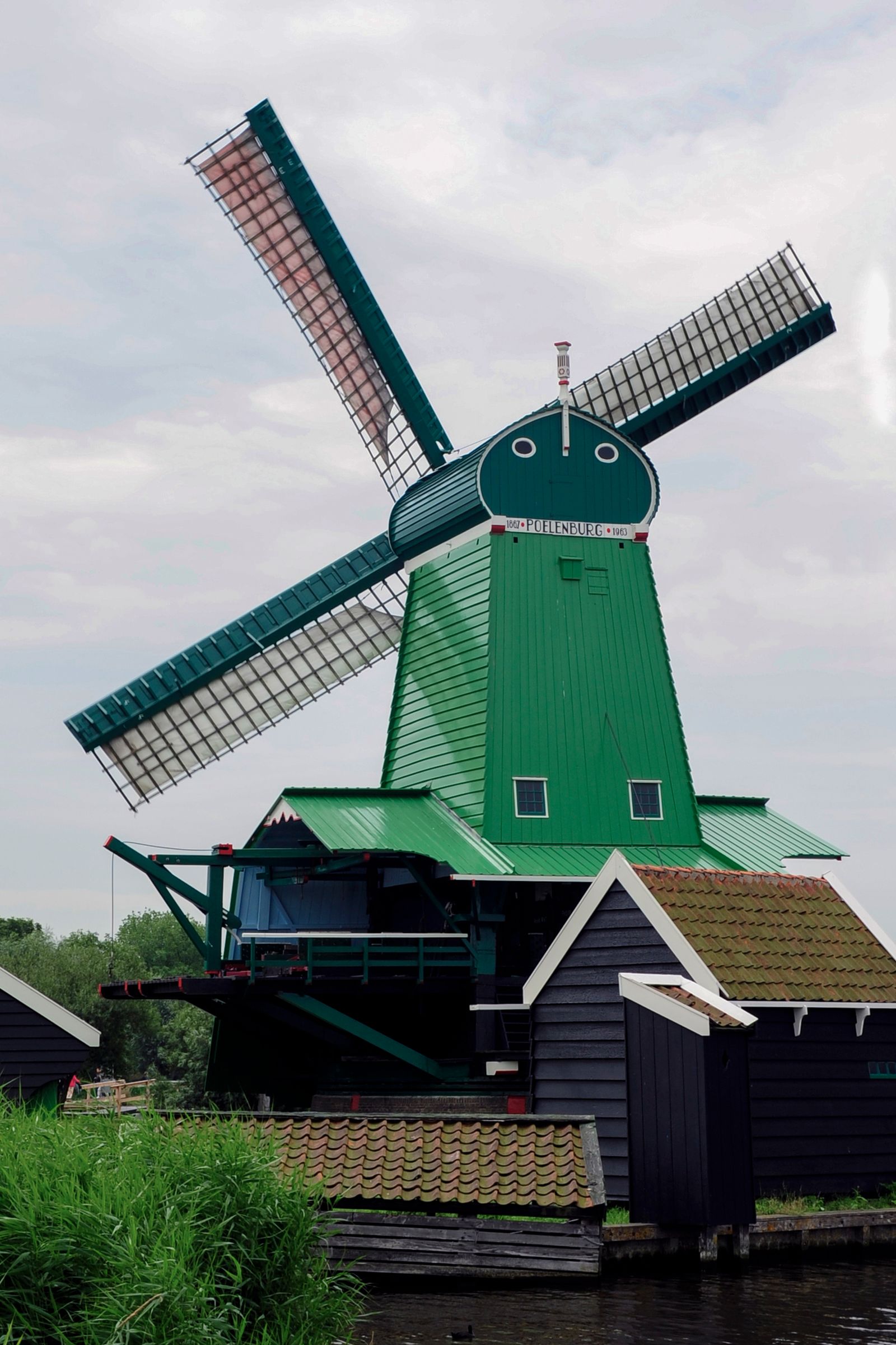
Breakfast at the hotel. Departure for Zaanse Schans.
Zaanse Schans is 20 kilometres north of Amsterdam - close enough to reach in under an hour, far enough that the landscape has entirely changed by the time the Zaan River comes into view. The windmills here are working historical monuments: the kind that ground mustard, cut timber, and produced the linseed oil that Dutch painters mixed their pigments with. The Dutch East India Company's shipyards ran on timber cut by mills like these. The Golden Age of Dutch painting was underpinned, at a material level, by the industrial capacity these structures represent.
Lunch at an Indian restaurant on the route. Return to Amsterdam by 17:00. Rest at the hotel.
The evening cocktail dinner closes the day in Amsterdam. The city at 19:00 in the Golden Bend of the Herengracht - the canal stretch where the merchant houses of the Dutch Golden Age are largest and most intact - is the version of Amsterdam that the daytime crowds do not allow. Transfer at 19:00.
The North Sea in the Morning. The Brewery in the Afternoon. Both Are Exactly What They Sound Like.
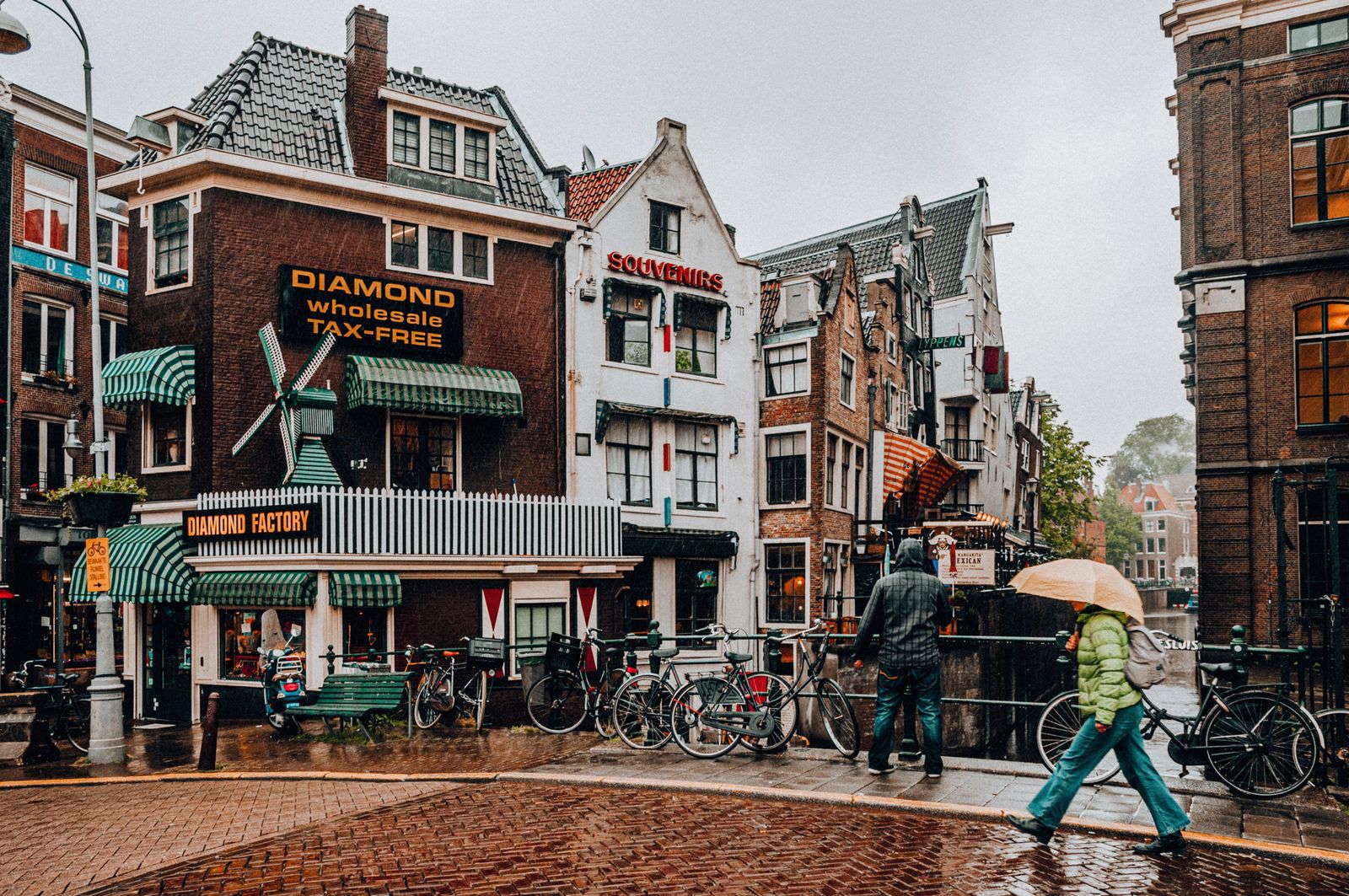
Breakfast at the hotel. Drive to The Hague - 60 kilometres south, 45 minutes on the A4.
The Hague is the seat of the Dutch government and the location of the International Court of Justice. It is not Amsterdam. That is precisely the point of going. Where Amsterdam is mercantile and horizontal - canals, warehouses, flat - The Hague is governmental and vertical: wide boulevards, Baroque palace architecture, and the North Sea three kilometres from the city centre at Scheveningen.
The Netherlands has two cities that function as capitals simultaneously - Amsterdam (constitutional capital, financial centre, culture) and The Hague (seat of government, royal residence, international law). Most tourists visit only Amsterdam. The 45-minute drive between them is one of the better-valued decisions in Netherlands travel.
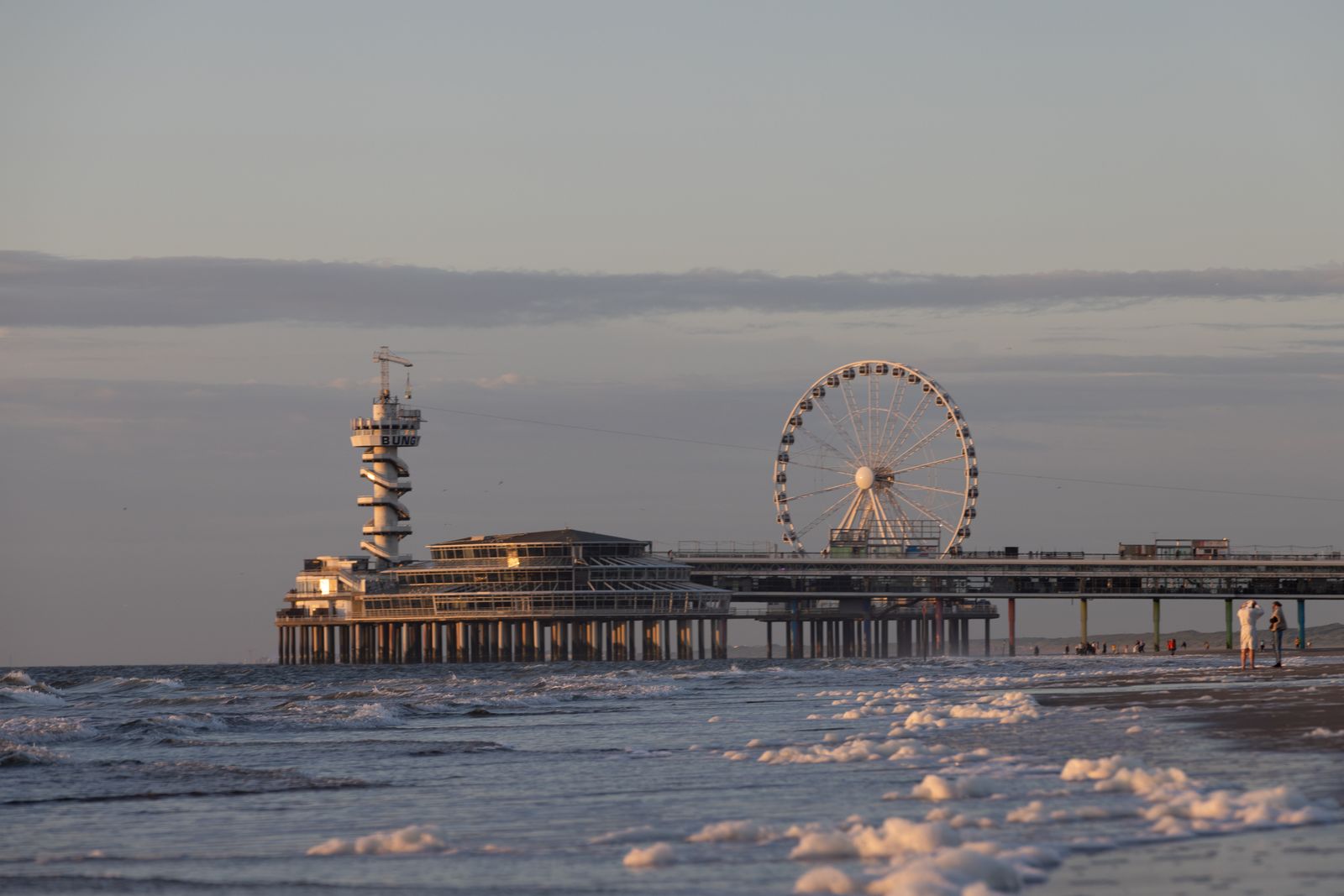
The SkyView Pier Ride at Scheveningen is a Ferris wheel mounted at the end of the Scheveningen Pier - 45 metres above the North Sea, the pier extending 380 metres into the water. The view from the top covers the Dutch coastline north and south, the harbour traffic in the roads offshore, and the specific quality of North Sea light in late afternoon that Dutch Golden Age painters spent careers attempting to capture on canvas. The sea is the same sea. The light is the same light.
Local lunch in The Hague. Return to Amsterdam by early afternoon.
The Heineken Experience is a self-guided tour of the original 1867 Amsterdam brewery on the Stadhouderskade - the building where Heineken was brewed continuously from 1867 to 1988, when the operation outgrew it and the scale of the facility became a heritage attraction rather than a production facility. The tour covers the malting, fermentation, and bottling process in historically accurate sequence, includes two drinks, and delivers the specific insight that Heineken's position in the global beer market was built from this building, on this canal, in this city, by a Dutch family that had been brewing since the 15th century.
One Last Breakfast. One Last Dutch Street. Then the Airport.
Breakfast at the hotel. Check-out. Drop at the city centre for a final hour in Amsterdam before the transfer to Schiphol.
The city centre on a departure morning, without a schedule to keep, is Amsterdam at its most functional argument for itself. The Albert Cuyp Market, the Nine Streets shopping district between the Herengracht and the Prinsengracht, the brown cafés on the Jordaan neighbourhood's smaller canals - each one a different version of the city that the previous three days covered in the itinerary's larger frames. Four days is enough to understand why Amsterdam consistently ranks among the most liveable cities on earth and why the 17th-century urban planners who built it were working at a scale of ambition that the results have not yet stopped justifying.
Lunch in the city centre. Transfer to Schiphol Airport for departure.
Three nights. Four days. The canals from a private boat, the windmills at full operation, the North Sea from a pier, and the brewery that made Dutch beer a global commercial fact. The Netherlands, in the time available, done without leaving anything significant on the table.