
London does not announce a single identity.
It announces several - simultaneously, without apology.
Walk one block and the architecture shifts from Georgian to brutalist. Walk another and you are at the entrance to a 900-year-old abbey still holding coronations. The Tube runs underneath all of it, carrying 5 million people a day through a network that predates the automobile by three decades.
The problem with London is not a shortage of things to see. The problem is the opposite. The city is so dense with history, culture, and competing neighbourhoods that a disorganized visit produces an exhausting list of half-experiences rather than a structured encounter with what makes this place genuinely irreplaceable.
A well-built 9 day London itinerary solves this by doing something most travel plans don't: it earns the day trips. London's surrounding countryside - Oxford, the Cotswolds, Stratford-upon-Avon, Warwick - is not an afterthought. It is a different register of the same story. The city makes more sense after you've seen what came before it.
This London Travel Guide covers nine carefully planned days, combining London's iconic landmarks with unforgettable day trips to Oxford, the Cotswolds, and Warwick. One base hotel. A journey built for depth, not just distance covered.
This itinerary is structured to give the city the time it requires - and take back every hour it tries to waste.
Arrival. A City That Starts Before You're Ready.
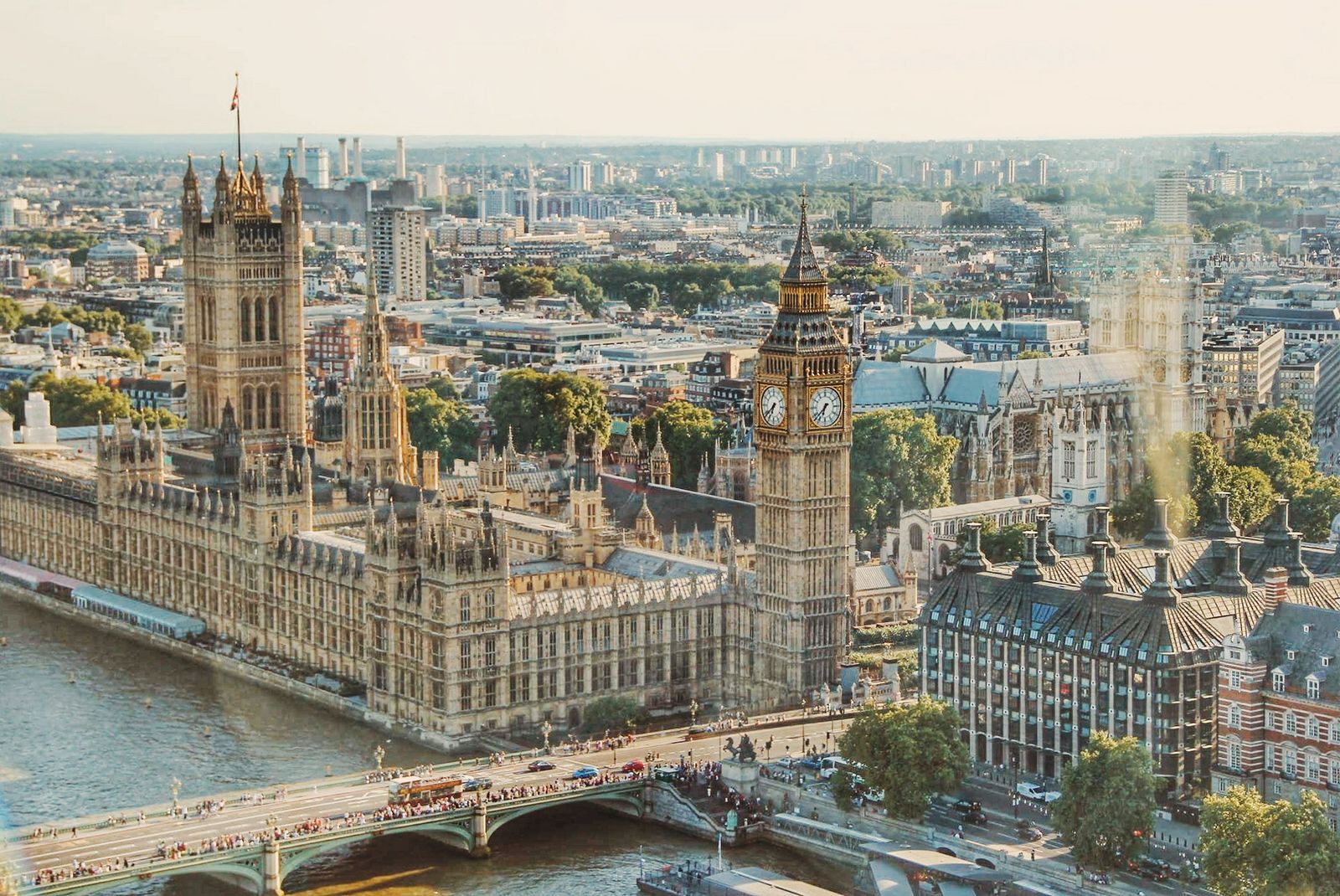
The flight into Heathrow descends over one of the most recognizable urban landscapes on earth.
The Thames cuts through the city in a way that makes everything navigable by reference - north bank and south bank, east end and west end, with Big Ben and the Houses of Parliament standing at the political center of it all like they have stood for centuries.
Private transfer from the airport to DoubleTree by Hilton Hotel London Tower of London. The location is deliberate - the Tower of London and Tower Bridge are within walking distance, which means the first London moment of the trip requires no planning at all.
The rest of Day 1 belongs to jet lag and first impressions. Walk toward the river. The city will introduce itself.
The City Sightseeing Tour. London in One Structured Arc.
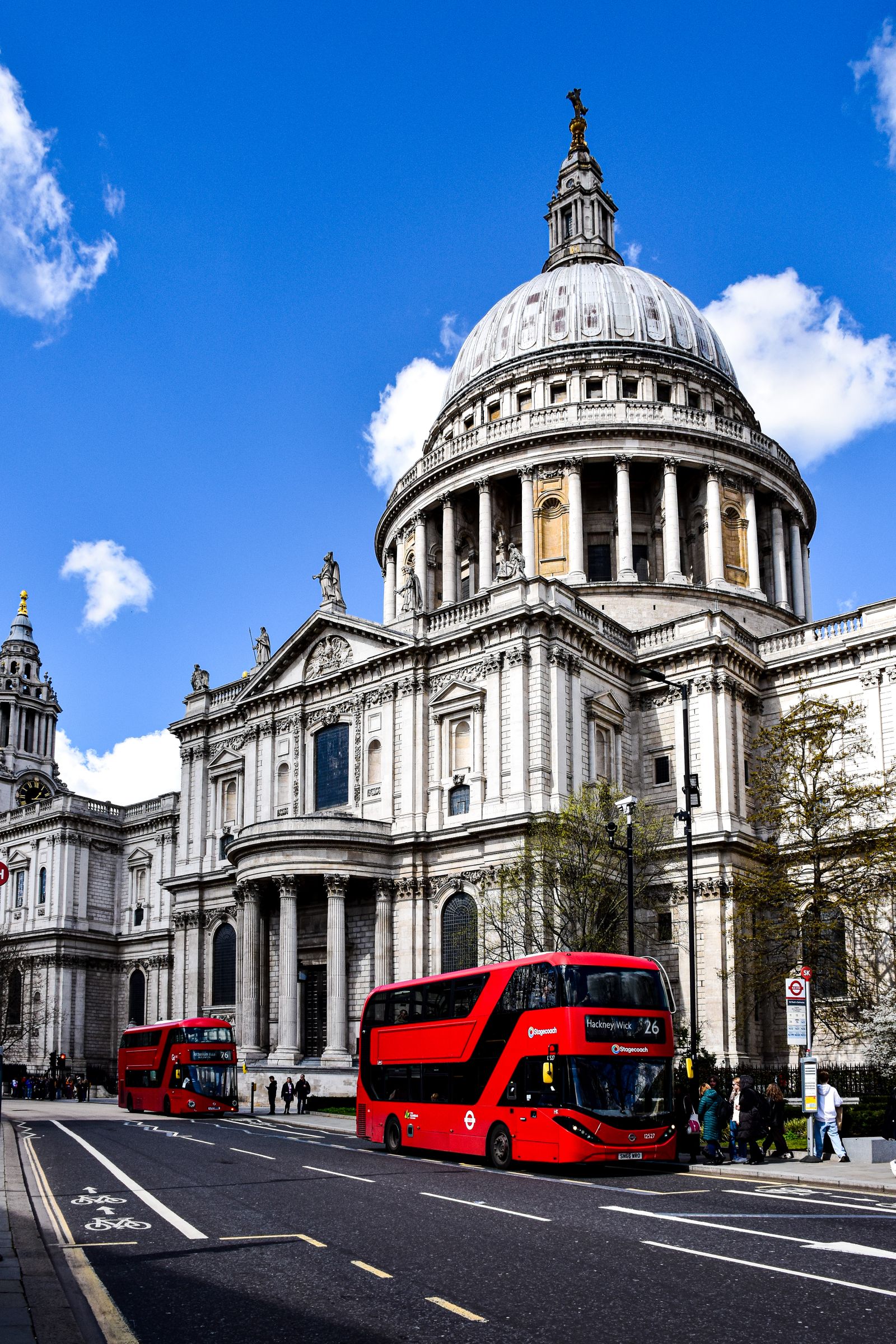
Day two is when the London sightseeing tour begins in earnest - and the format matters.
The London Hop-On Hop-Off Bus Tour with the 24-Hour Pass and Thames River Cruise is not a tourist concession. It is the most structurally efficient way to cover the geographic spread of central London without spending the day in the Tube or on foot.
London's landmarks are not clustered. The Tower of London is in the east. Buckingham Palace is in the west. St Paul's Cathedral sits between them. The Houses of Parliament and Big Ben are south of Trafalgar Square. Walking between all of them in a single day produces exhaustion, not experience.
The bus eliminates the transit friction and adds the Thames River Cruise - a different perspective on the same city, viewed from the water that built it. The combination delivers the full spatial logic of London in a single day.
What This Day Covers:
Tower of London · St Paul's Cathedral · Tower Bridge · Buckingham Palace · Houses of Parliament · Big Ben · Thames River Cruise. Each stop legible, each one earned by having seen the geography that connects them.
Leisure Day. London at Your Own Pace.
Day three is not a gap in the itinerary. It is a structural decision.
Two intensive days of London require a third that operates without a schedule. The city rewards this. London's unguided hours - when there is no bus to catch and no itinerary to track - produce the encounters that don't appear on any list. The bookshop on Cecil Court. The covered market at Covent Garden. The sandwich at a pub in Soho that has been operating since before the United States existed.
This is where the London travel plan earns its rest day.
The London Eye. 135 Meters. The Entire City Visible at Once.
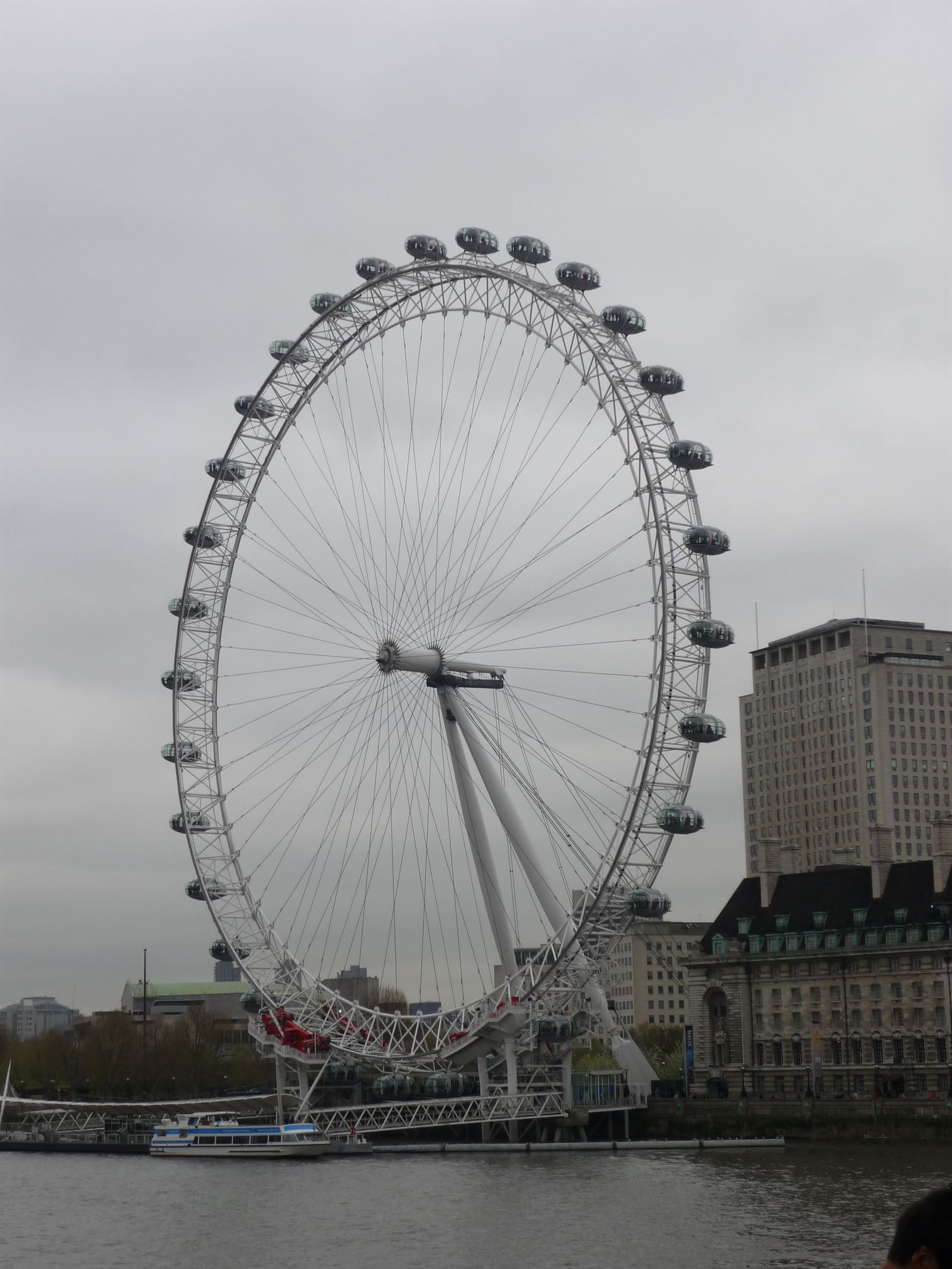
The London Eye opened in 2000 and was originally intended as a temporary structure. It is still there because London could not bring itself to remove it.
The argument for its permanence is visible from the capsule: a 40-kilometer panorama that places everything from the previous two days into geographic context. The Thames curves through the frame. The Shard rises to the east. Buckingham Palace gardens sit in the west. On a clear day, the view extends to Windsor Castle - 32 kilometers away.
A full rotation takes 30 minutes. Each capsule holds 25 people. The Fast Track ticket is the correct choice - standard queue times on busy days run 45 minutes or more, which is time the afternoon can better use.
The South Bank deserves the rest of the day. Tate Modern, Borough Market, Shakespeare's Globe Theatre, and the Millennium Bridge are all within walking distance of the Eye, on one of the most consistently interesting riverside walks in Europe.
A Free Day. The Museums Are Waiting. So Is the West End.
London's museum infrastructure is one of the great uncelebrated facts of global travel.
The British Museum. The Natural History Museum. The Victoria and Albert Museum. The National Gallery. The Science Museum. All of them free. All of them within 30 minutes of the hotel. All of them large enough that a focused two-hour visit returns more than a full day of unfocused wandering.
Day five is where this 9 day London itinerary breathes. The city has been processed in structured arcs on Days 2 and 4. Today, the depth version of that same city is available - at whatever pace the traveler chooses to set.
Oxford, the Cotswolds, and Warwick Castle. England Before London Existed.
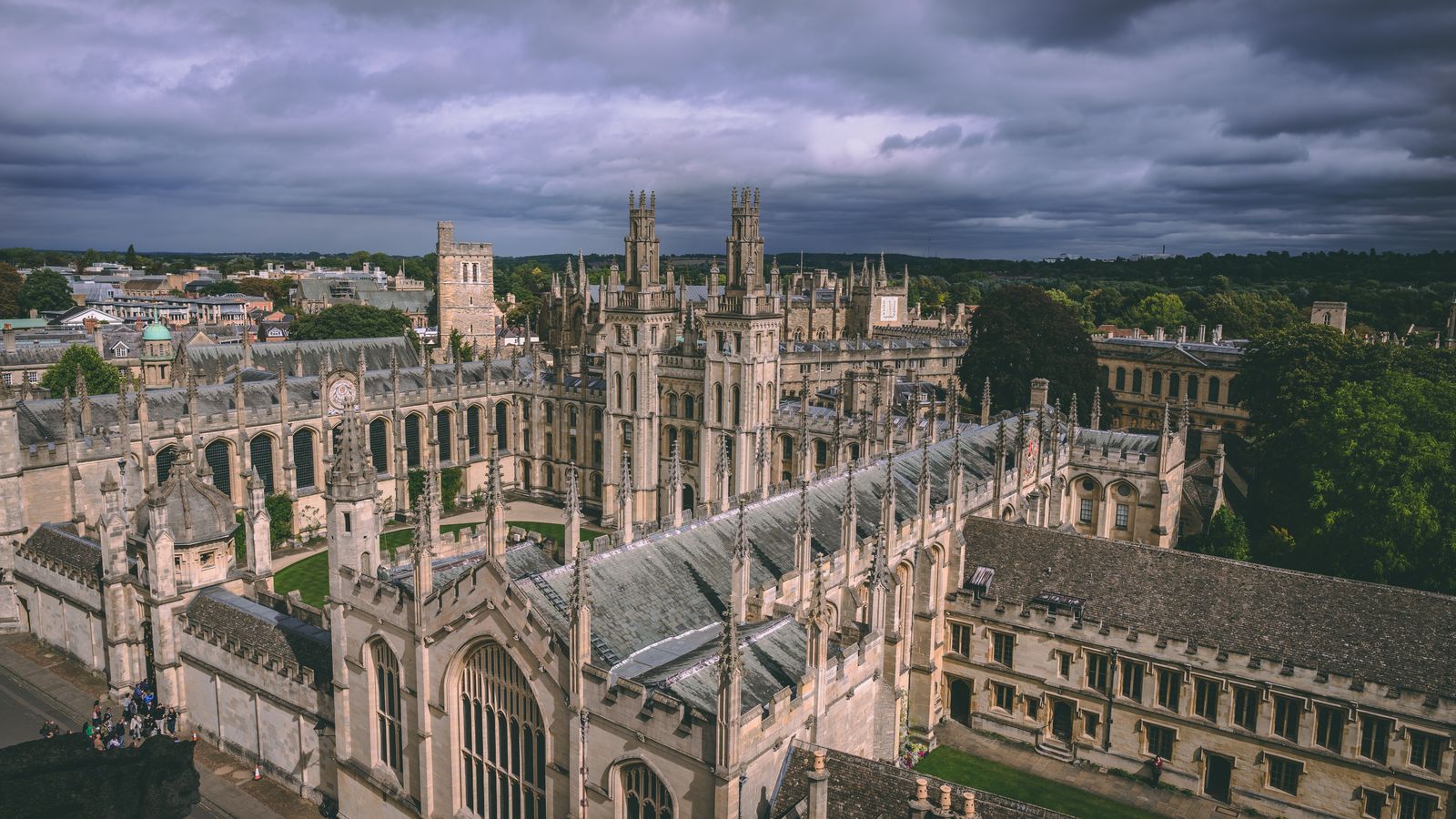
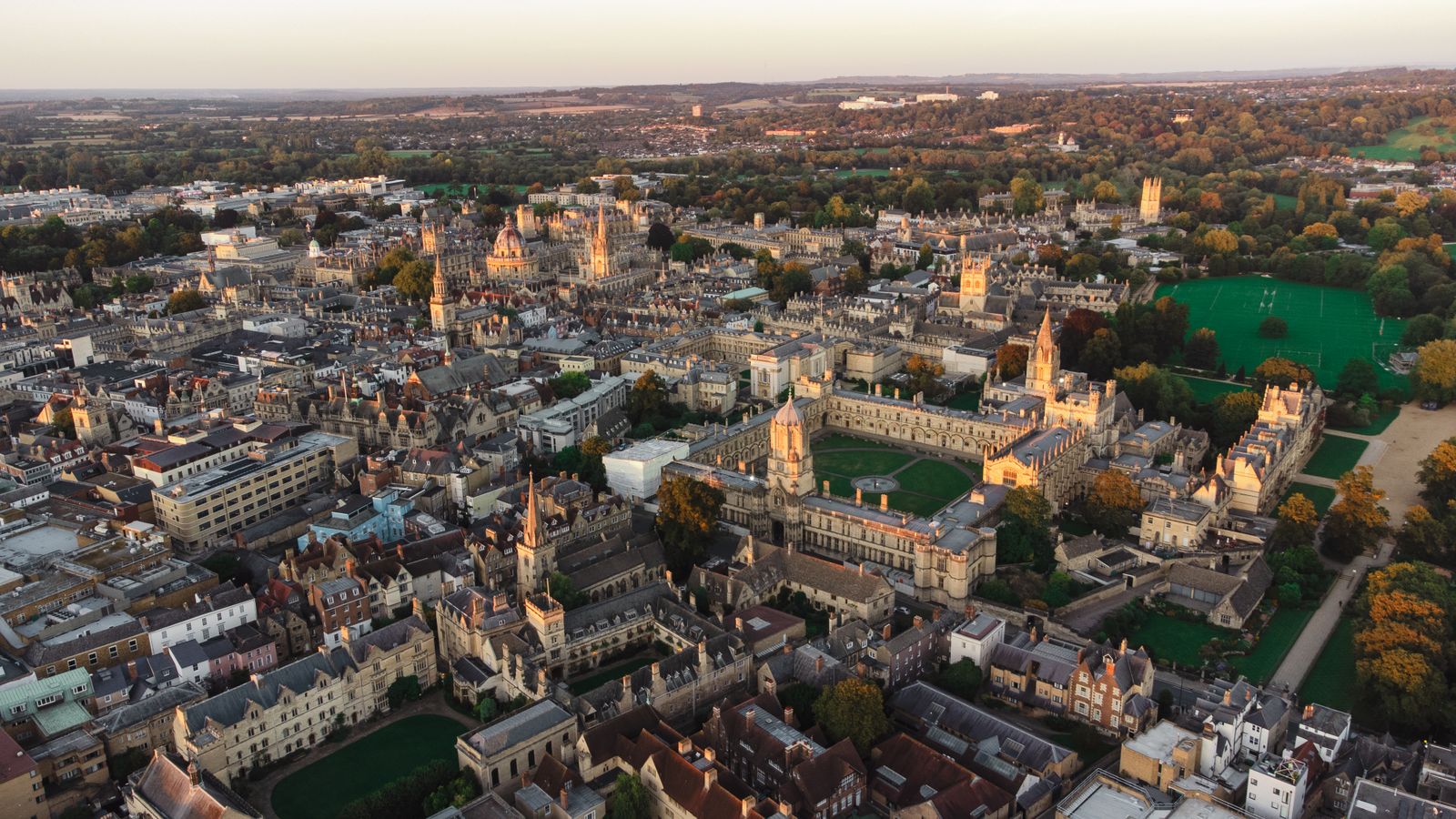
The Oxford Cotswolds day trip from London is the single most structurally important day in this itinerary.
Not because of what it adds. Because of what it clarifies.
Oxford was a functioning university city before London became the capital of anything significant. The colleges - 38 of them, built across seven centuries - are not preserved history. They are active institutions where the architecture happens to predate the modern world by 400 years. Walking through the quadrangles is an encounter with institutional continuity that no museum can replicate.
Stratford-upon-Avon requires no explanation - Shakespeare's birthplace is documented, preserved, and surprisingly intimate. The house on Henley Street is smaller than expectation creates, which makes it more affecting, not less.
The Cotswolds operate on a different register entirely. Honey-stone villages built from the same limestone that runs under the hills. Dry-stone walls. Narrow lanes. A pace that has not substantially changed in three centuries. The contrast with London's density is not accidental - it is the point.
Warwick Castle closes the day. A medieval fortress that has been continuously occupied since 1068. The guided experience brings the structure alive in a way that a self-guided visit cannot match.
Leisure or Windsor. The Choice Is a Quality Problem to Have.
Day six returned with Warwick Castle, two hours of motorway, and the particular satisfaction of a day that delivered everything it promised. Day seven is the recovery that follows.
Two options present themselves with equal validity.
Windsor Castle is 40 minutes from London by train - the oldest and largest occupied castle in the world, the weekend residence of the British royal family, and the burial site of ten monarchs. The State Apartments are open to visitors when the King is not in residence. The scale of what has happened within these walls over 950 years is not possible to fully process in a single visit. It does not need to be.
Bicester Village is the alternative - 65 designer boutiques in a purpose-built outlet mall one hour from London, where the same brands available on Bond Street operate at 30–70% below retail. The same train line serves both. The decision depends entirely on what the trip has not yet provided.
Westminster and the Royal Landmarks. The Architecture of Governance.
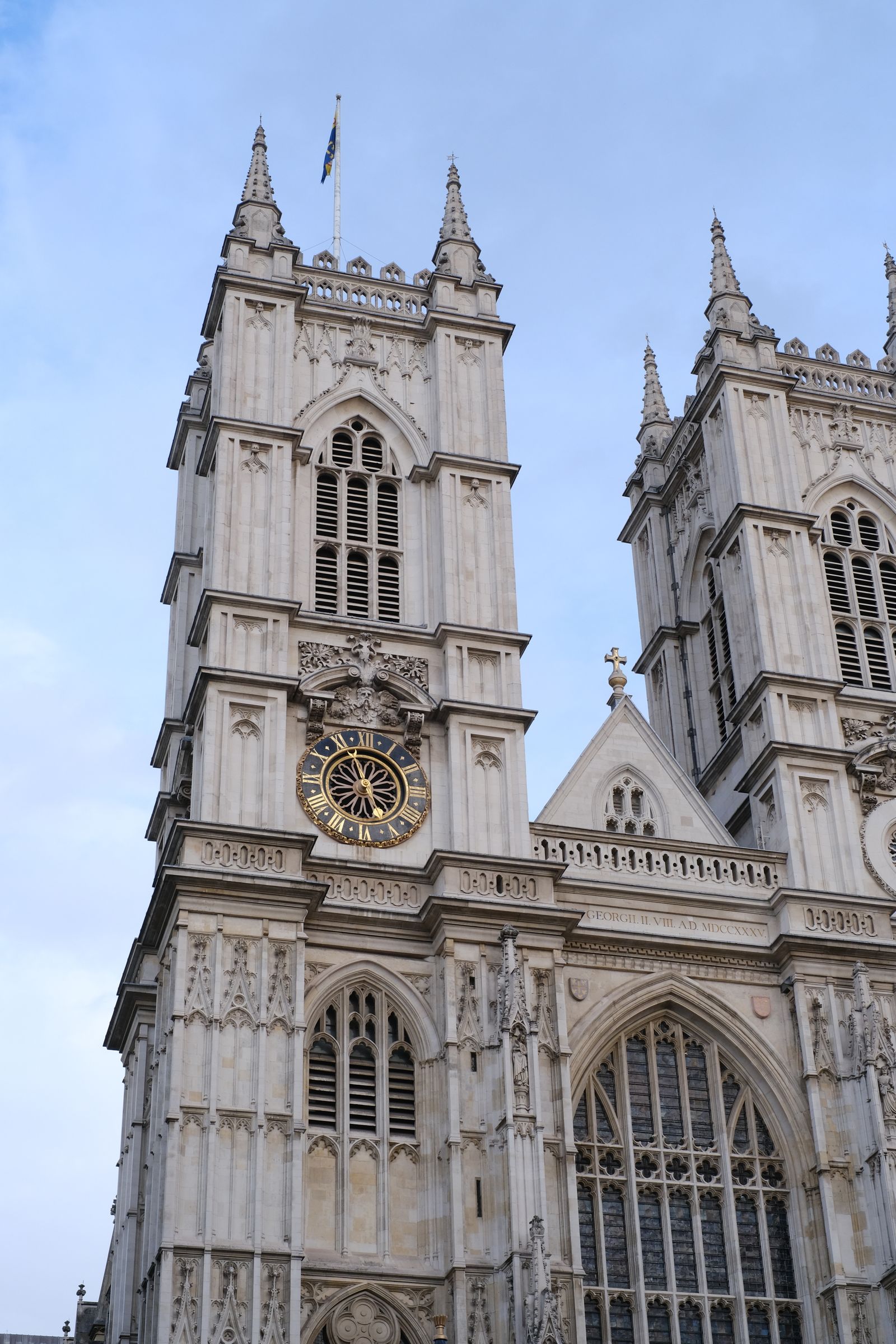
Westminster Abbey has hosted every English and British coronation since 1066.
That is not a tourism statistic. It is a description of institutional continuity that has no equivalent anywhere in the world. The same stone floor. The same ceremonial framework. Charles III in 2023, on the same spot where Harold II stood in the year of the Norman Conquest.
A Westminster Abbey tour is the best way to experience one of Britain's most important historic landmarks. Combining expert-guided entry to the abbey with a walking tour through Westminster Bridge, the Houses of Parliament, Downing Street, Horse Guards Parade, and Buckingham Palace creates the most complete introduction to London's political and royal heart.
The exterior of Buckingham Palace is accessible without a ticket. The Changing of the Guard - when it occurs - is scheduled and worth the 30 minutes it requires. Check the schedule before leaving the hotel; it does not run daily.
Day eight is where the full logic of London's geography resolves. The sites covered by the Hop-On Hop-Off tour on Day 2 now have context. The Westminster landmarks are not just large buildings. They are the operational machinery of a political and religious history that shaped the modern world.
One Final Breakfast. Then London Returns You to the World.
Check out after breakfast.
Private transfer to the airport for the onward flight.
Nine days produce a specific kind of familiarity with London that shorter visits cannot. The city reveals itself in layers - the first day surface, the second day structure, the third day character. By day nine, the map in your head is no longer a tourist map. It is a working knowledge of how the city connects.
That is the difference between visiting London and understanding it.
This 9 day London itinerary was built to cross that line.